What Is an Industrial Thermoformer?
Reading time : 5 min

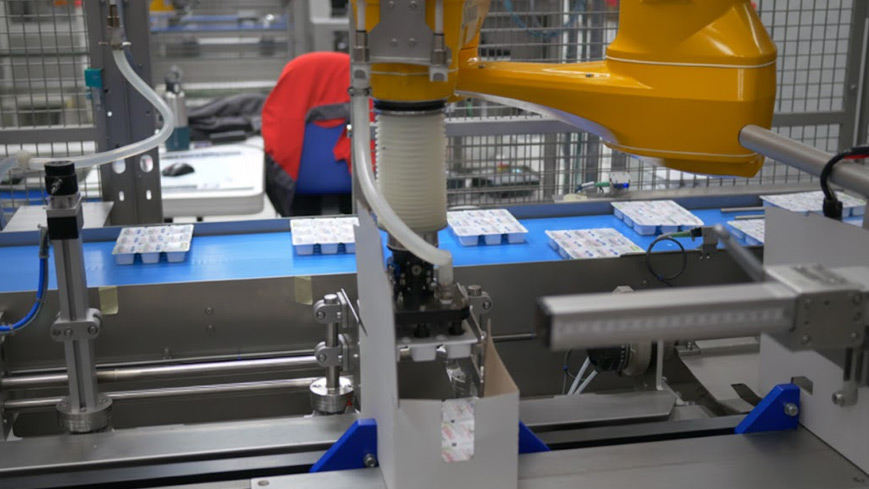
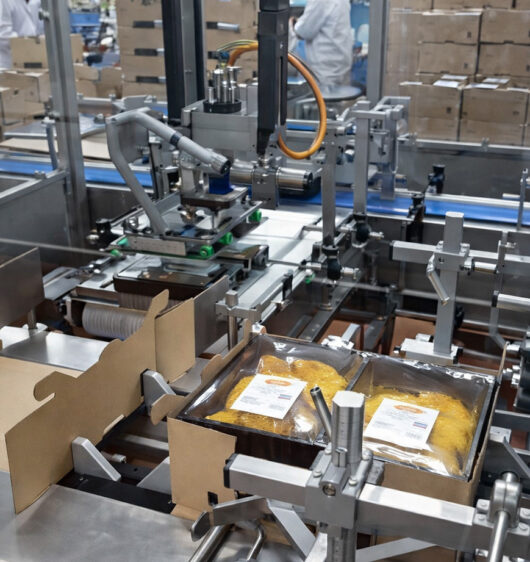
Automating a case packing module can be a major lever for increasing production performance. Discover how to integrate a case packing station at the end of a packaging line.
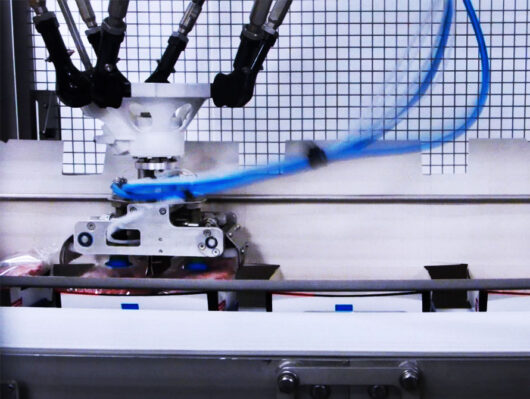
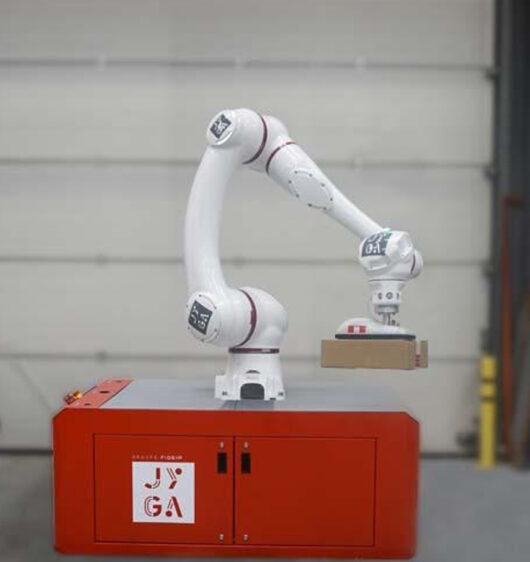
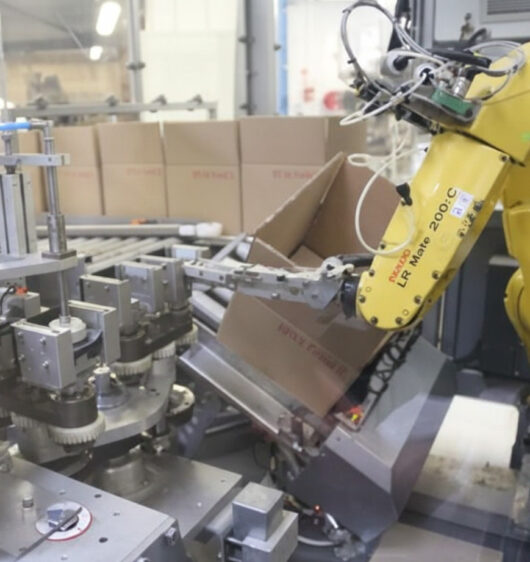
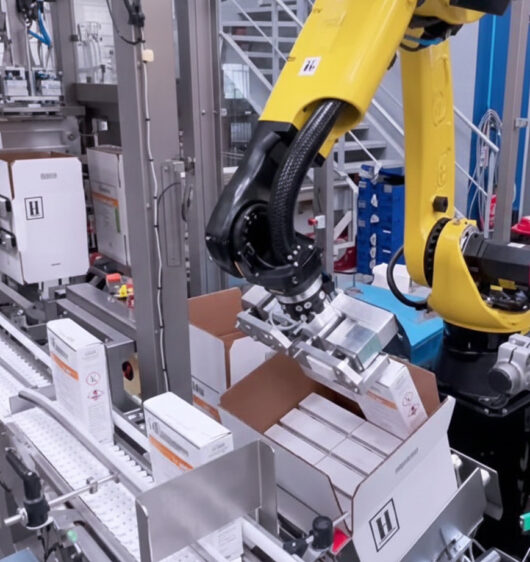
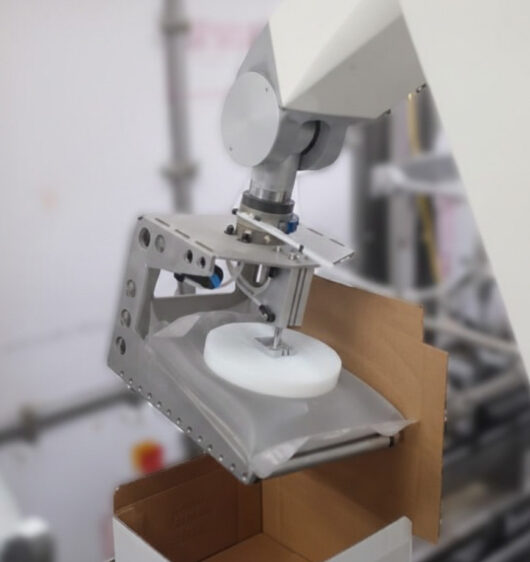
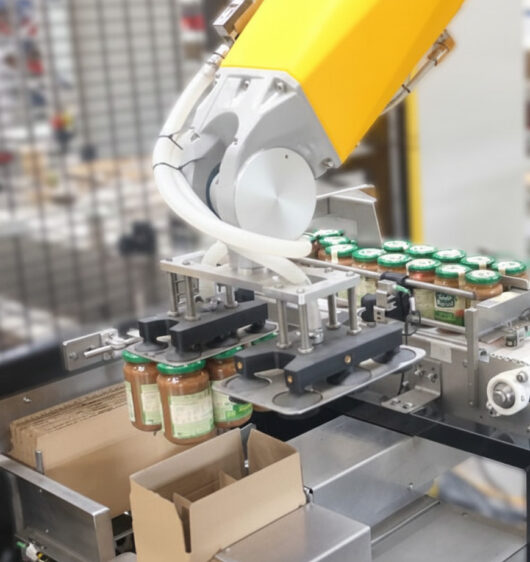
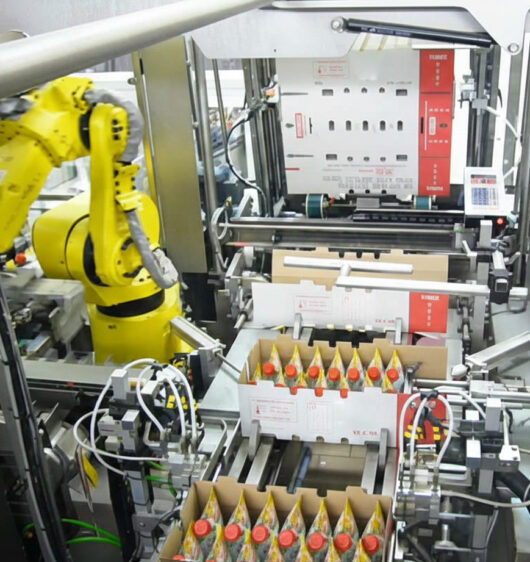
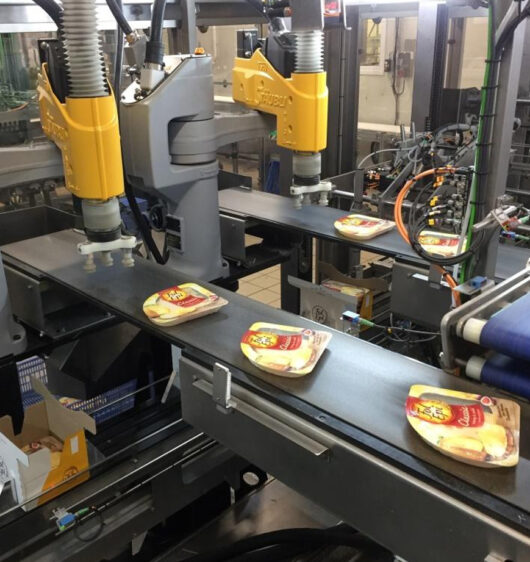
Higher throughput and lower operating costs are two reasons why automating a case packing station can deliver a strong return. In addition to removing a physically demanding task, robotics improves control over case packing by helping to guarantee product quantities and reduce manual errors. Here are six best practices to consider when automating case packing for your products.
Before selecting a case packing module, it is important to define the products to be packed as accurately as possible. Key characteristics include:
The specification should also define whether the products are likely to change in the future. If they are, the minimum and maximum characteristics need to be clearly established so that a sufficiently versatile case packer can be selected.
The packaging type depends directly on the product being packed. In some cases it is possible to retain the cases used for manual packing, but they often need to be modified to optimise an automated process.
The corrugated packaging supplier works with JYGA to define the cardboard solution and ensure it can be handled reliably by the machine.
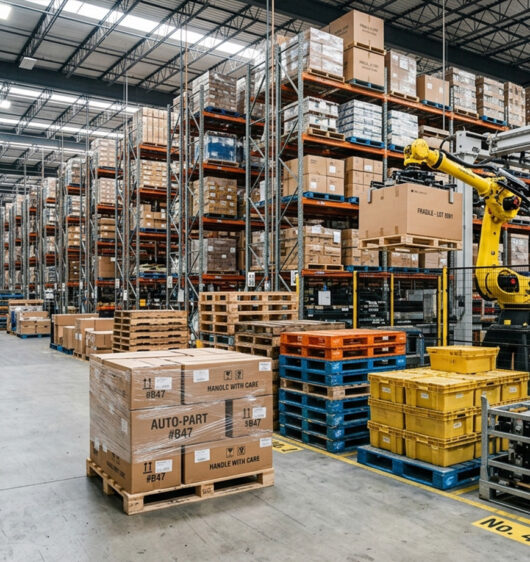
It is also important to consider the logistics operations that follow case packing, including palletising, handling, stacking and transport.
This is one of the most important stages of the project. A well-defined specification should allow an initial selection to be made from the different solutions available.
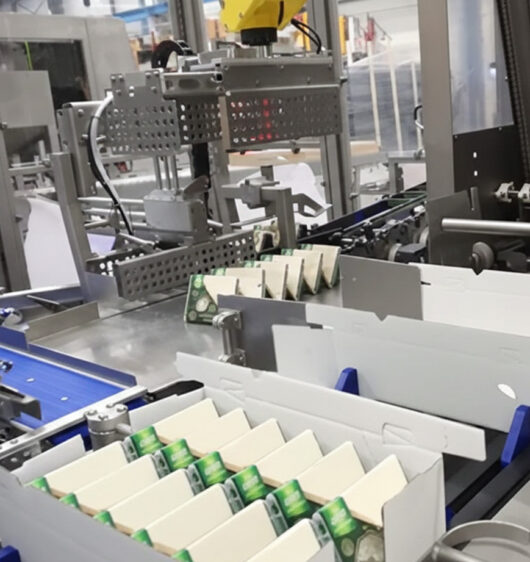
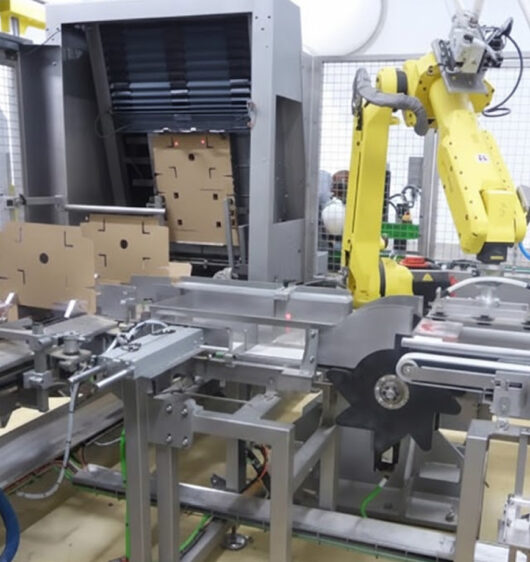
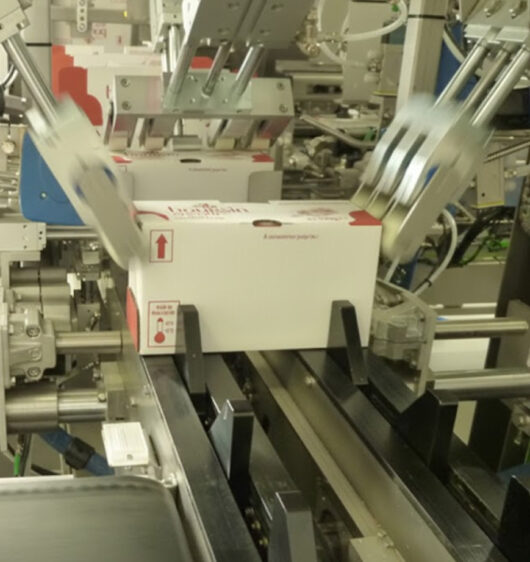
Two major case packing approaches are top-load case packing and wrap-around case packing. Top-load systems can often retain existing cases and may reuse an existing case former or allow cases to be erected manually. Their limitations can include case throughput and the required product presentation inside the case.
Wrap-around case packing is highly versatile and offers a broad choice of case formats, including shelf-ready packaging, open cases and closed cases, with many possible product arrangements. Depending on the application, these machines can reach around 30 cases per minute. A flat wrap-around blank can also be less expensive than an equivalent RSC case blank in some applications.
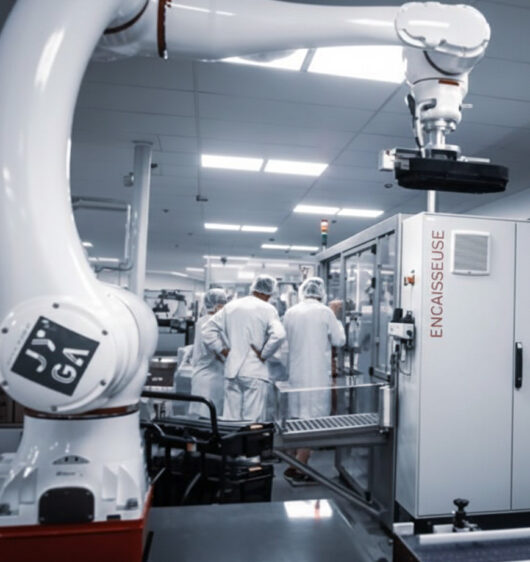
Discussing the project with an experienced sales engineer helps identify the most appropriate approach. JYGA specialises in packaging machinery and applies these case packing principles across food and beverage, healthcare, cosmetics and personal-care applications.
Before integrating the case packing robot, it may be useful — or necessary — to review the conveyor layout used for automatic product feeding. Depending on the selected automation, this may involve:
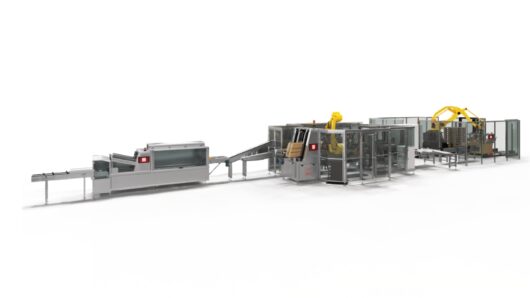
Adding a case packing module is an opportunity to optimise production flows. The installation area should be reconsidered so that new equipment can be accommodated while maintaining operator, maintenance and product flows. Specialist designers and integrators can support the project from the initial concept through installation and production start-up. JYGA can help design packaging lines with careful management of people, maintenance and product flows.
Before production starts, testing is essential to maximise case packing performance. The objective is twofold: optimise production throughput and ensure reliable case filling and closing quality.
Start-up trials should be carried out under realistic conditions. The necessary adjustments can then be made until the expected results are achieved. These tests are often conducted in the workshop with the customer present.
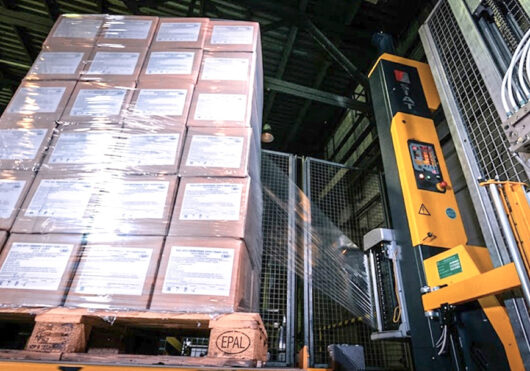
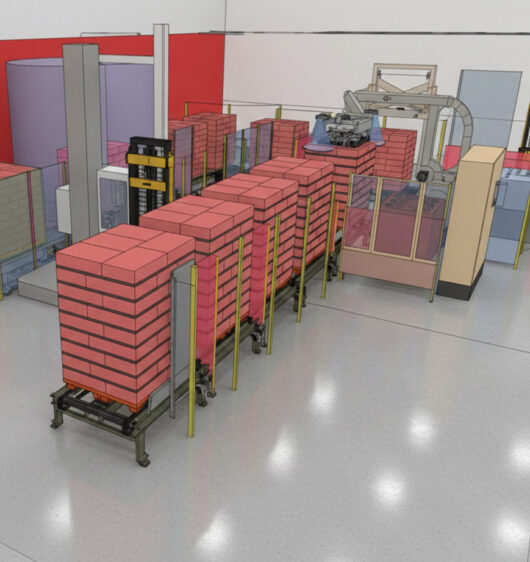
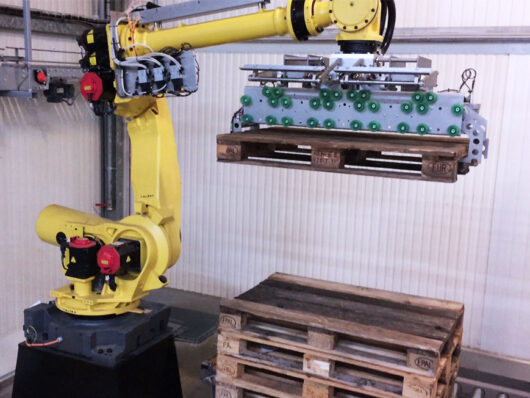
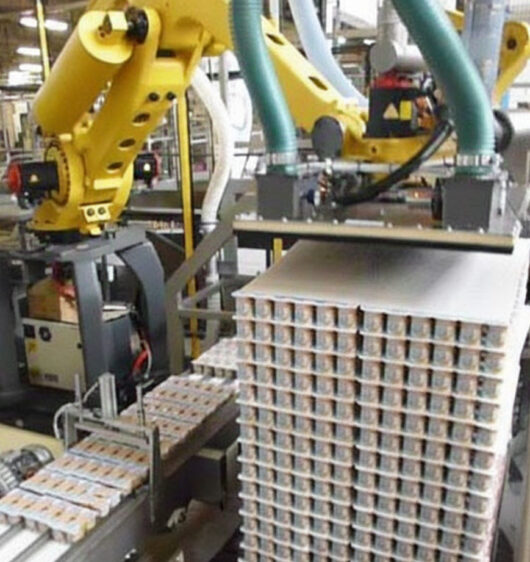
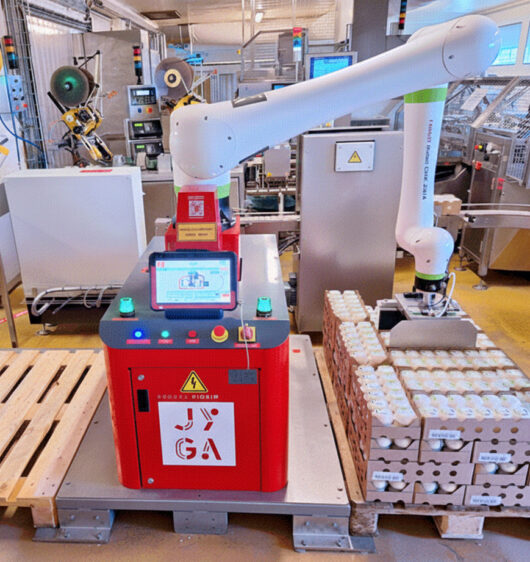
Once the case packing module has been automated, it may be worthwhile adding a robotic palletising module to maximise the return on investment across the complete end of the line.
Several palletising solutions are available, ranging from cost-controlled robotic palletisers to higher-performance multi-line palletising systems, allowing manufacturers to select a solution that matches their throughput and automation requirements.
Aurélie DUPONTCase Packing Division Manager
Would you like to know more? Find everything you need to know here, and much more!