What Is an Industrial Thermoformer?
Reading time : 5 min

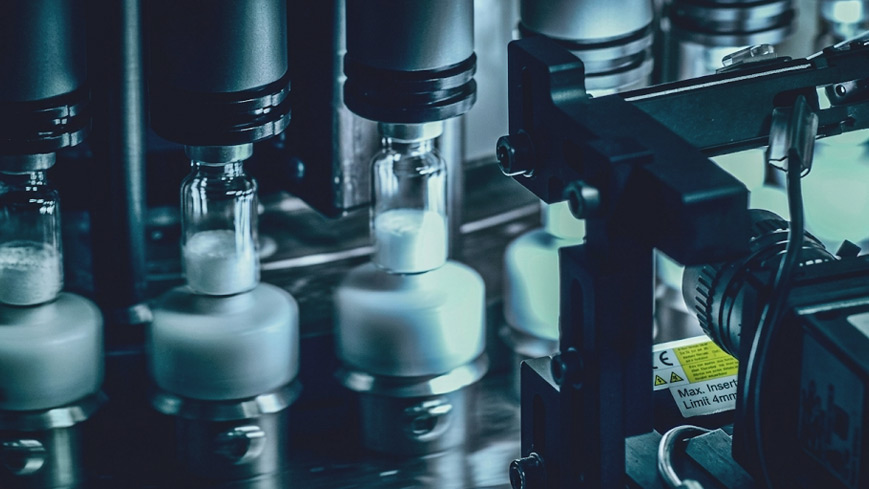
Continuous production checks are a major issue in the food & beverage industry because non-conforming products can generate significant costs and quality risks. Vision inspection systems can monitor products on the line and help reject non-conforming items before distribution. How does vision inspection work, and what benefits can it provide?
Vision inspection is an automated inspection method that uses cameras and software to check product conformity at production speed. Depending on the application and inspection technology, it can detect visible defects or anomalies before products reach the consumer. Vision software can also check packaging integrity, labels and printed codes, as well as fill levels and closure-related features.
Our team is here to advise you.
Vision inspection can play an important role in supporting food quality and safety, particularly for fresh or sensitive products. Systems can inspect individual items or products moving on the production line. Automating a detailed and repetitive inspection task can free operator time and improve the allocation of resources. Vision inspection can also help check that products and labels match the required specification, reducing the risk of costly recalls and potential damage to the brand.
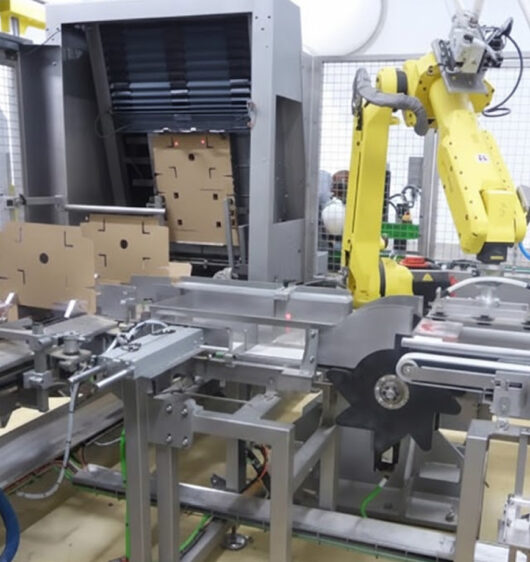
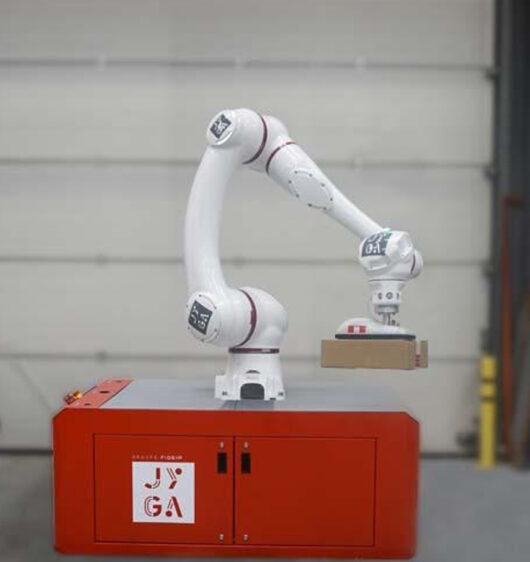
Vision inspection systems capture and analyse images of products moving along the line using dedicated cameras and software. Cameras can be installed at fixed points on the production line, including upstream of packaging operations such as case packing, or mounted on robotic systems where different viewing angles are required. Image-processing algorithms compare the captured images against defined criteria to identify anomalies such as visible marks, cracks, incorrectly sealed lids, unreadable labels or foreign objects that can be detected by the selected vision technology. If a defect is identified, the system can trigger an alarm or a rejection mechanism to remove the non-conforming product.
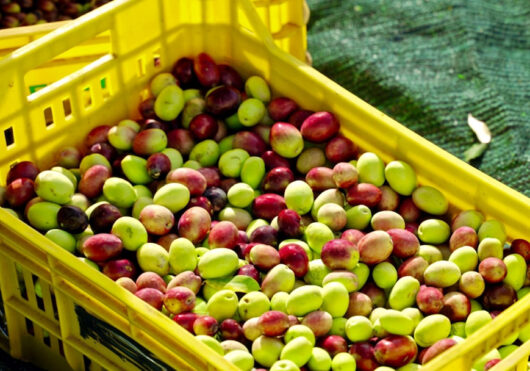
Vision inspection can be applied to a wide range of products. Fruit and vegetables can be checked for visible defects such as marks, cuts, mould or shape variations. Bakery products such as bread and cakes can be inspected for shape or colour defects. Depending on the system, vision technology can also check visible foreign objects, verify container fill levels and inspect labels for position, content and readability.
Vision inspection can provide several benefits: it supports product quality and consumer safety, frees operators from repetitive inspection tasks and can reduce the significant cost associated with non-conforming products and recalls.
Aurélie DUPONTCase Packing Division Manager
Would you like to know more? Find everything you need to know here, and much more!