What Is an Industrial Thermoformer?
Reading time : 5 min

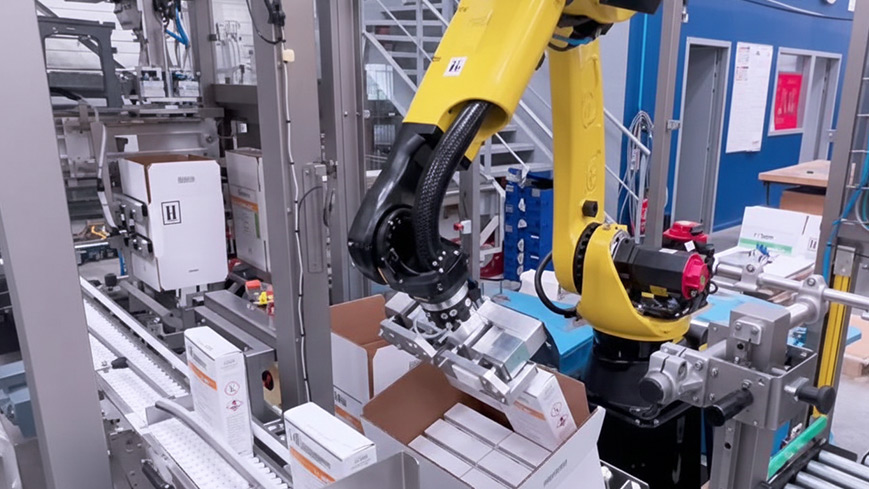
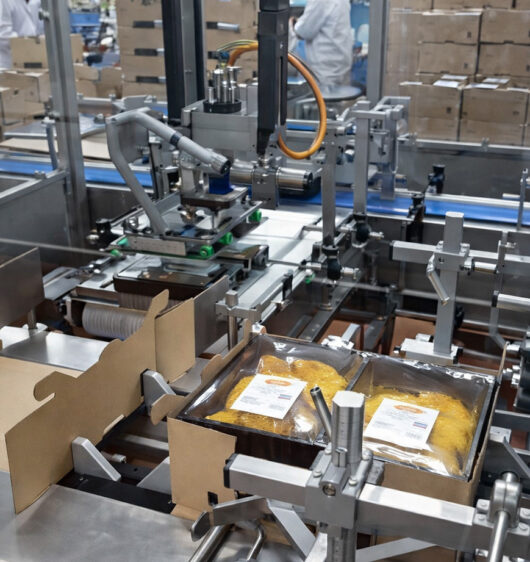
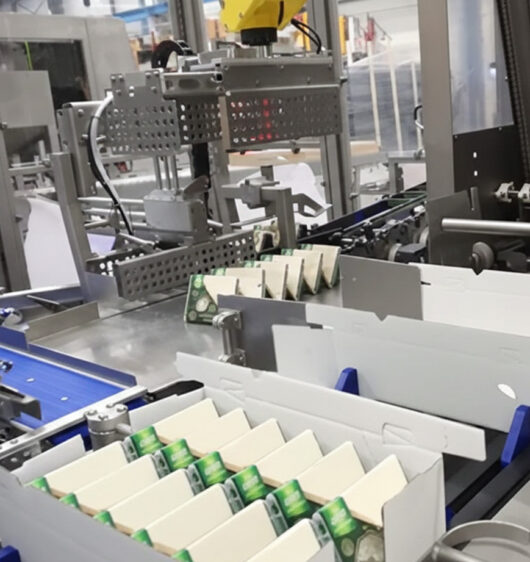
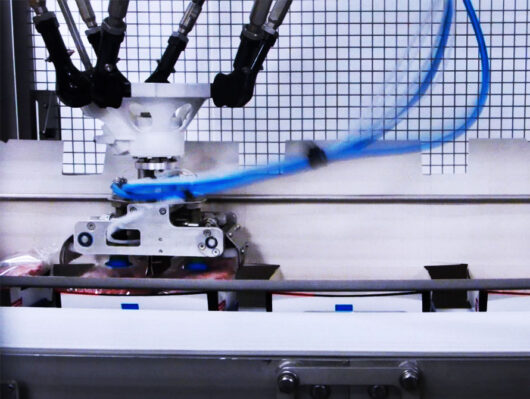
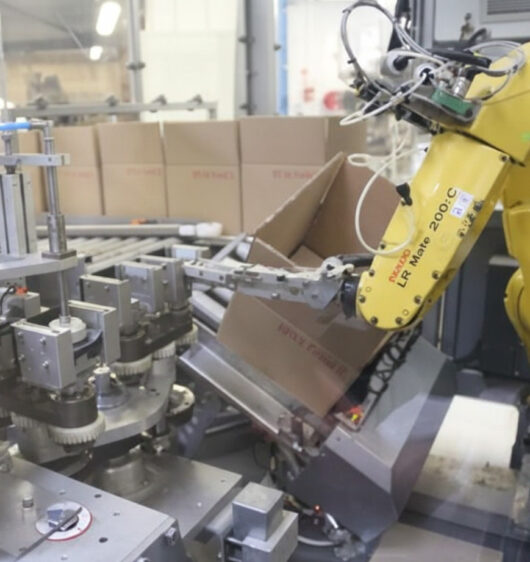
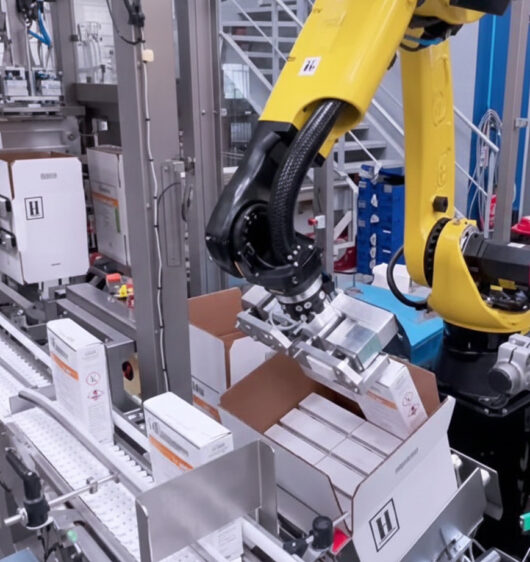
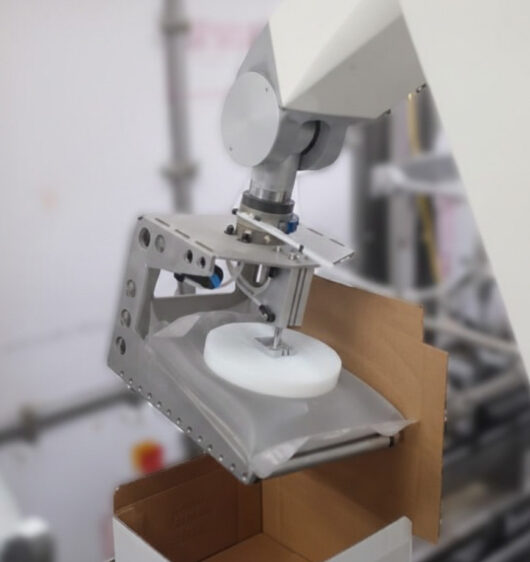
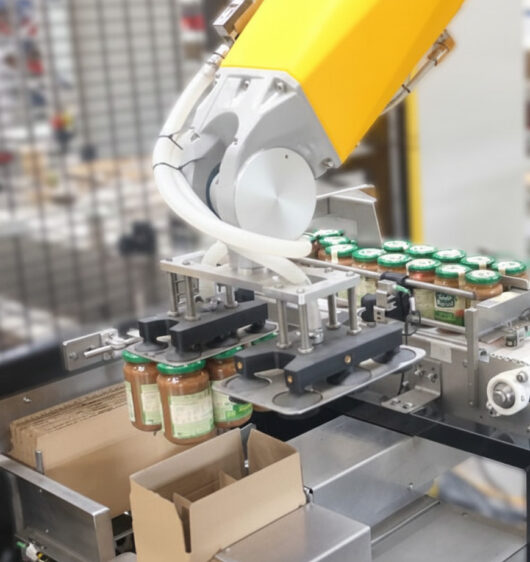
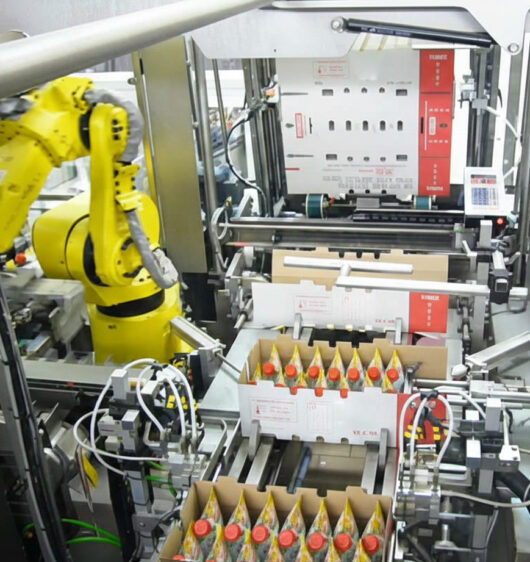
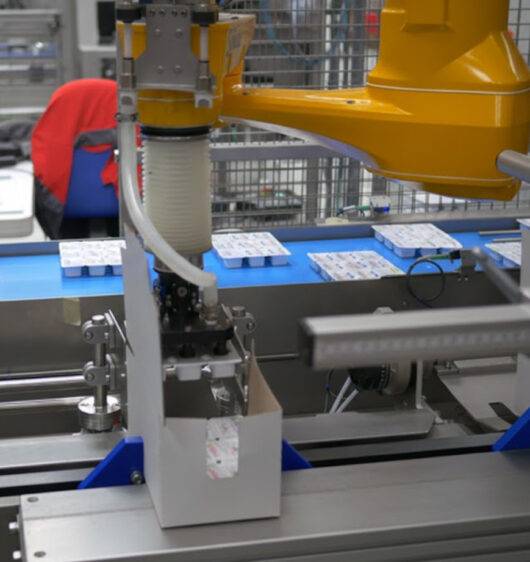
Manual packaging is one of the production stages most likely to contribute to musculoskeletal disorders (MSDs) among operators. It can also create production issues that affect throughput. Automating case packing with a robotic cell gives manufacturers an opportunity to improve productivity while freeing operators to focus on higher-value tasks.
The starting point for any automated case packing cell project is the product itself. The specification should be built around its characteristics: primary packaging type, product shape, weight, resistance to compression and stacking, and possible transport orientations such as flat, upright or loose.
Current and target production flows also need to be assessed, including required throughput and the minimum and maximum number of products expected in each case.
An on-site audit can be carried out with the manufacturer and integrator to understand these constraints under real production conditions.
Read more: JYGA case packing machines
The next step in a case packing automation project is to consider the packaging itself:
The answers will influence the choice of packaging and may affect the type of automatic case packing cell to be installed.
Selecting the right packaging is a collaborative process between the customer, the corrugated packaging supplier and the machine designer.
At this stage, JYGA, as a manufacturer and integrator of automatic case packing cells, can make initial recommendations on the technologies and machine types to use.
Depending on the application, it may be necessary to adapt the packaging and packing strategy — including product grouping and stacking organisation — or to keep the existing packaging and adapt the machine accordingly.
Three main families of secondary packaging are commonly used for case packing:
Each of these families can be adapted into variants such as shelf-ready cases, two-piece cases with lids, reinforced cases or partitioned cases.
By entrusting the analysis and study to an automatic case packing specialist such as JYGA, manufacturers can potentially make savings in several areas:
Note: the integrator’s study for an automatic case packing cell must take account of all HSE, risk-management and machine/operator safety requirements. Involving the operators who will use the equipment from the beginning of the project is therefore essential.
Further reading: Main occupational risks in the packaging industry
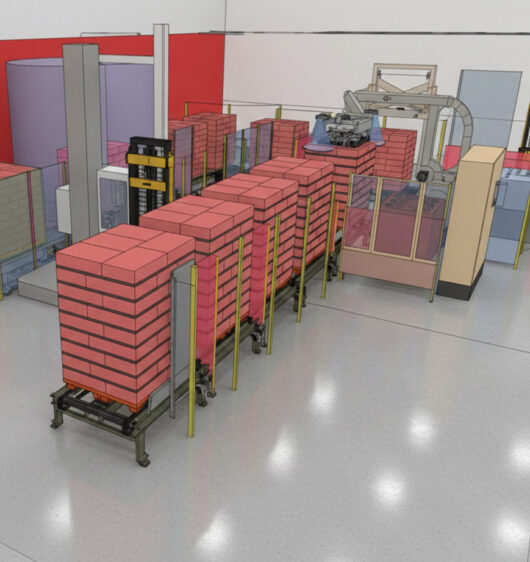
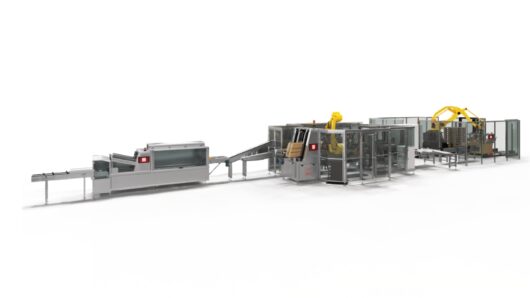
Once the key requirements of the automatic case packing project have been defined, the ideal cell layout needs to be established.
The layout should take account of:
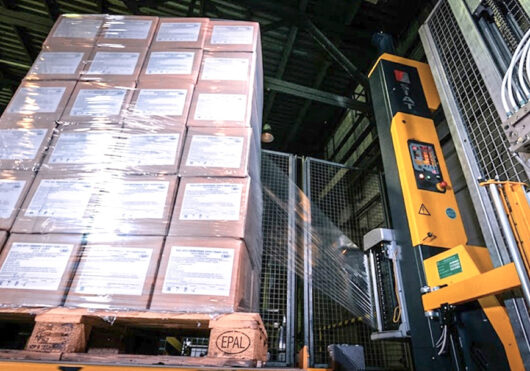
The final technical solution can then be defined in detail. JYGA considers all of the points above — key functions, format variety, throughput, cost and integration of complementary equipment such as palletisers, laser marking, labelling and industrial vision systems — to create a tailored solution based on proven functional modules.
JYGA also incorporates the following constraints into the design of its case packing cells:
All of these points are essential for reliable day-to-day use by production teams.
The typical lead time for putting an automated case packing cell into production is around seven to ten months. At JYGA, this generally covers the period from the pre-project phase through to final customer acceptance and production ramp-up.
It is difficult to give a single budget because project constraints vary considerably. However, JYGA customers commonly assess return on investment over a period of around two to three years, depending on the application.
With more than 30 years of experience designing and installing end-of-line case packing cells, JYGA has developed a comprehensive support approach from the earliest study phases through the operating life of the equipment.
This includes:
JYGA has extensive experience working with major manufacturers in the food and beverage, healthcare, cosmetics and personal-care industries. If you are considering an automatic case packing project or want to assess the potential impact on your production, get in touch with our team.
Aurélie DUPONTCase Packing Division Manager
Would you like to know more? Find everything you need to know here, and much more!