What Is an Industrial Thermoformer?
Reading time : 5 min

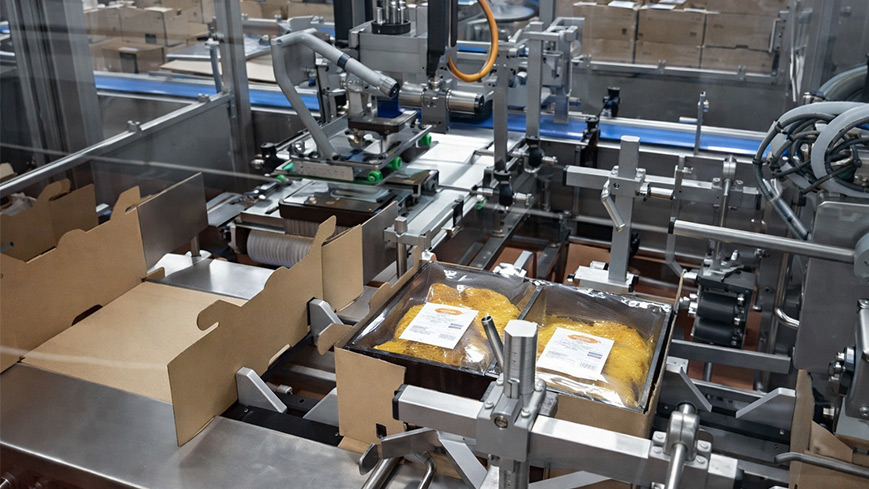
A tray sealing machine hermetically seals filled trays, most commonly for food products such as meat, fruit and vegetables. What are the benefits of tray sealing, how does the machine work and what should be considered when selecting one for a production line?
A tray sealing machine is widely used in the food & beverage industry, particularly in food-processing facilities. Hermetically sealing a tray with lidding film can provide several benefits. The seal helps prevent air, moisture and external contaminants from entering the tray. This supports product freshness, helps limit deterioration and can extend shelf life. It also contributes to food hygiene and safety throughout distribution when the process is designed to meet the applicable standards and regulations.
The sealed lidding film also protects against leaks and spills, making products easier and safer to handle and transport. Sealed trays can be stacked more reliably and are less likely to spill or become damaged during transport. Printed film can also carry product information, logos, barcodes or promotional messages, improving presentation and identification.
Our team is here to advise you.
The operating principle of a tray sealing machine varies according to the model. In a typical system, the filled tray travels by conveyor to the sealing station. A roll of lidding film, or another specified lid material, is loaded into the machine. The film is positioned over the tray and the sealing cycle is activated. Depending on the packaging specification, the seal may use heat, pressure or another suitable technology.
Where modified-atmosphere packaging is required, as is common in some food applications, the tray sealer can include vacuum and gas-flushing functions before sealing. The combination of controlled atmosphere and a reliable seal helps protect the packaged product.
As with any production equipment, requirements should be assessed before selecting the most suitable machine. Key criteria include:
The choice of supplier or integrator can have a significant impact on project success. Expertise, experience, responsiveness and effective communication are important from the requirements-analysis stage through to installation and after-sales support, including spare parts and technical assistance.
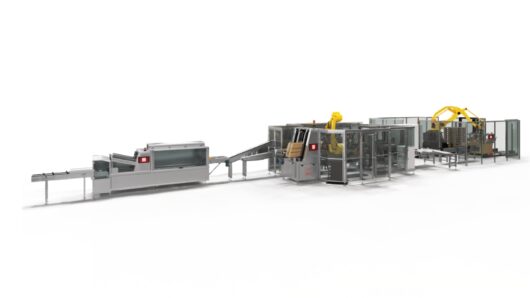
A tray sealing machine seals filled trays to protect the products they contain. In food & beverage applications, it can support hygiene, product protection, shelf life and secure transport. Automating this operation can also improve productivity. JYGA integrates complementary end-of-line packaging solutions including case packing and palletising.
Aurélie DUPONTCase Packing Division Manager
Would you like to know more? Find everything you need to know here, and much more!