What Is an Industrial Thermoformer?
Reading time : 5 min

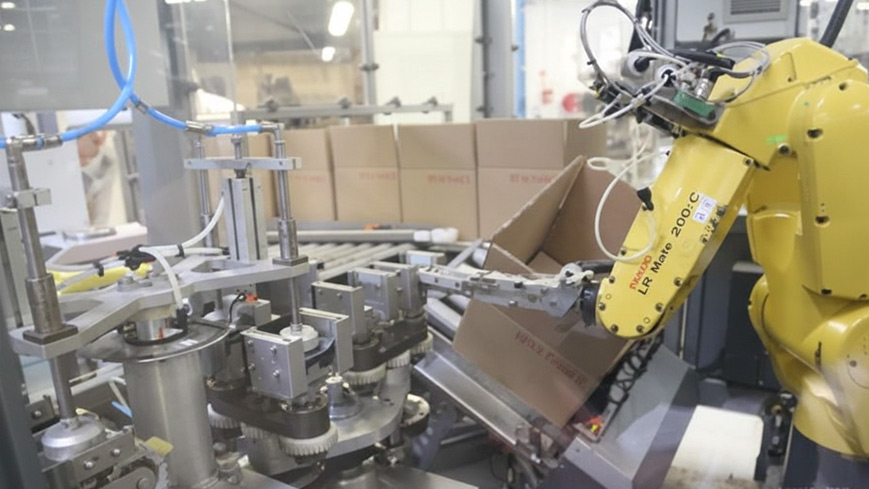
Wrap-around case packing and RSC case packing have the same objective: placing products in cases so they can be protected, grouped, transported or prepared for palletising. However, the two solutions work differently and do not always suit the same industrial constraints.
The main difference is how the case is formed. With an RSC case, products are placed or inserted into a case that has already been erected. With wrap-around case packing, the case is formed around the group of products from a flat cardboard blank. This changes several aspects of the application, including cardboard consumption, shelf presentation, product retention, throughput, case format and integration into the line.
For production managers, maintenance managers and engineering project managers, the choice is therefore about much more than cardboard preference. It depends on the product, its stability, the number of formats, packaging budget, required throughput and available end-of-line space.
This article explains how each solution works, their practical differences and the points to consider before choosing an automatic case packer.
Case packing consists of placing products into secondary packaging, most often a case or carton. The products have already been packed in their primary packaging, such as cartons, pouches, flow packs, pots, trays, stand-up pouches, bottles, vials or blister packs.
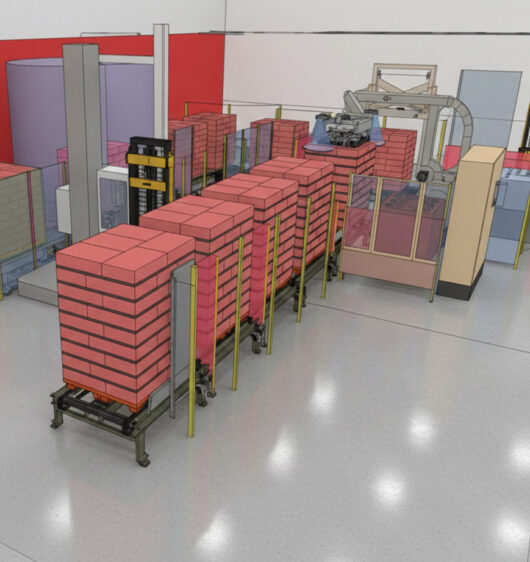
This stage generally takes place at the end of the line, after manufacturing, filling, tray sealing, cartoning or primary packaging. It prepares the products for subsequent operations such as case closing, labelling, inspection, conveying, palletising, storage and dispatch.
Case packing can be manual, semi-automatic or fully automated. As production volumes increase, automation helps stabilise throughput, reduce repetitive handling and make the packing pattern more consistent.
Secondary packaging groups several products together to simplify transport, storage, handling and shelf replenishment. It also helps protect products from impact, crushing or poor handling during logistics operations.
Its role is not limited to protection. A case can improve product presentation at the point of sale, make unpacking easier in store, optimise pallet utilisation or reduce empty space during transport.
The choice between wrap-around and RSC case packing should therefore reflect how the case will actually be used: simple dispatch, long-term storage, shelf presentation, order preparation or transport between different sites.
An RSC case is a corrugated cardboard case generally supplied flat, folded and pre-glued. It is erected before filling and then closed using its top and bottom flaps.
It is widely used in industry because it suits many products and provides good transport performance. Its structure protects the contents on the sides, top and bottom. The flaps reinforce the horizontal faces while the vertical panels support stacking loads.
This solution is often selected when products need a high level of protection, logistics involves repeated handling, or the manufacturer wants to use a familiar standard case available from many corrugated packaging suppliers.
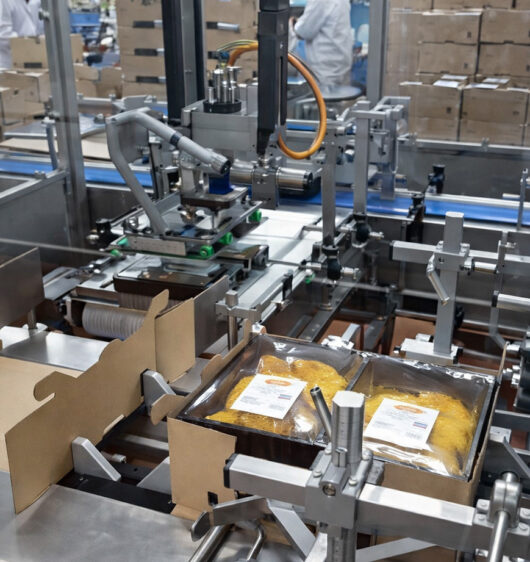
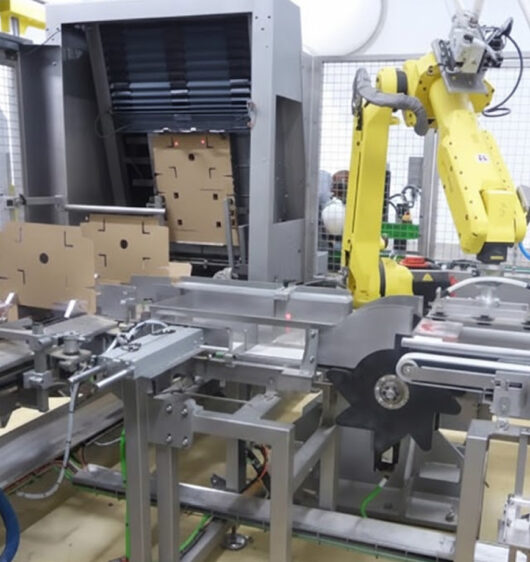
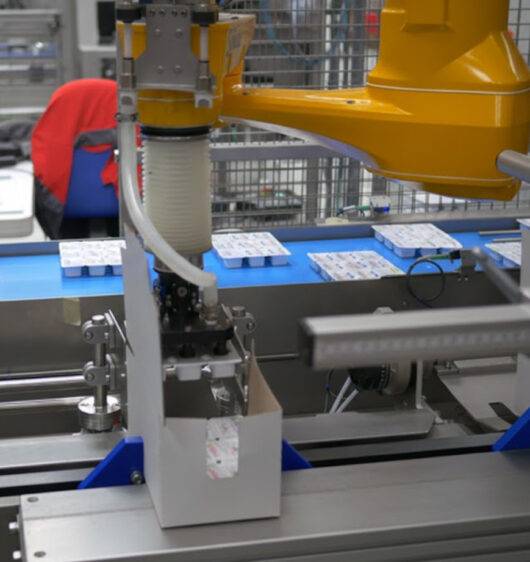
An automatic RSC case packer carries out several operations: erecting the case, loading the products, closing the flaps, applying adhesive or tape, and discharging the full case.
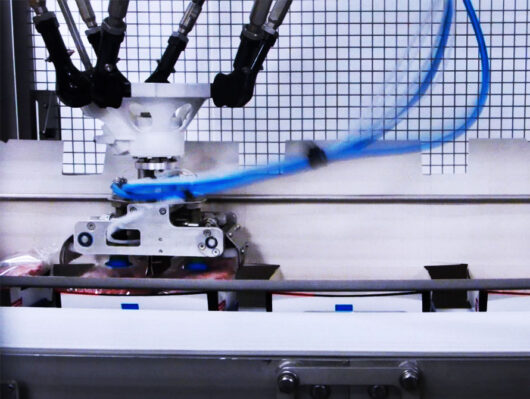
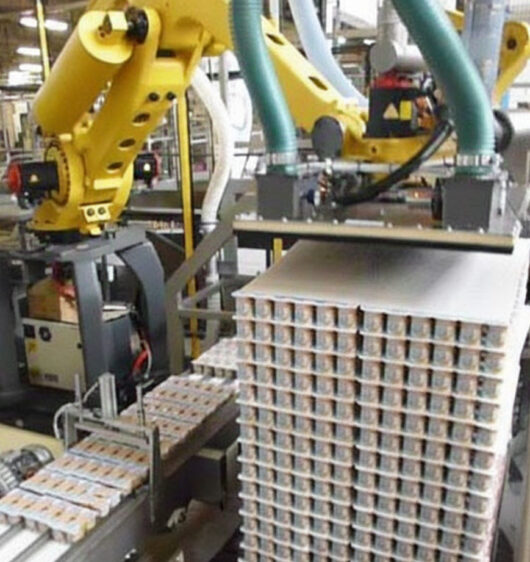
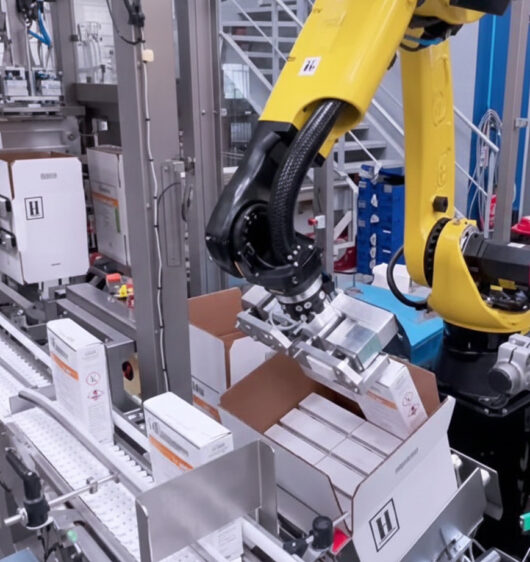
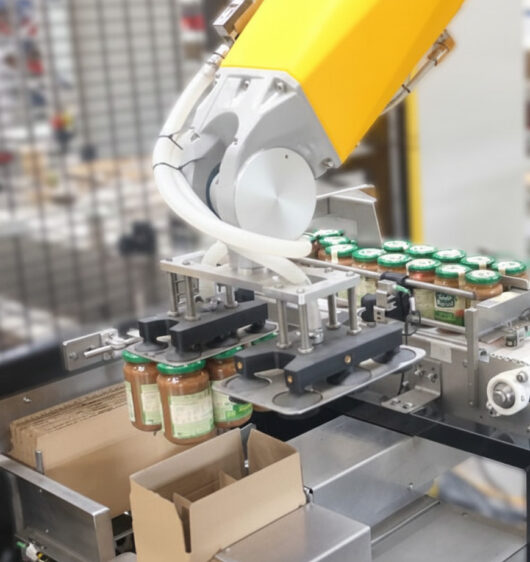
Depending on the configuration, products can be loaded from the top or from the side. An automatic RSC case packer can use a robot or gripping system for top loading, while a side-load case packer inserts products through the side of an already formed case.
The choice depends on the product and how it behaves. Flexible pouches, cartons and trays do not handle in the same way. Product shape, weight, stability and infeed pattern all influence the most appropriate case packing principle.
RSC cases can handle a very wide range of products, including cartons, trays, pots, vials, bottles, pouches, flow packs, flexible bags, sacks and stand-up pouches. They are used for food and beverage, cosmetics, personal care, healthcare and general consumer products.
The practical limits are mainly case dimensions, total weight and the level of protection required. Products can be arranged flat, upright, in layers, in batches or in an organised loose pattern, provided that the machine is designed for the required arrangement.
RSC cases remain a popular choice when manufacturers need robust packaging that is easy to close, suitable for palletising and familiar to production and logistics teams.
Our team is here to advise you.
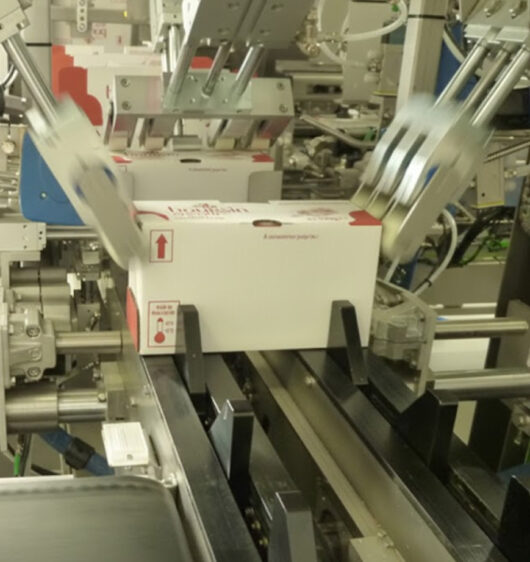
Wrap-around case packing uses a different principle. Instead of loading products into an already formed case, the machine forms the case around the product group from a flat cardboard blank.
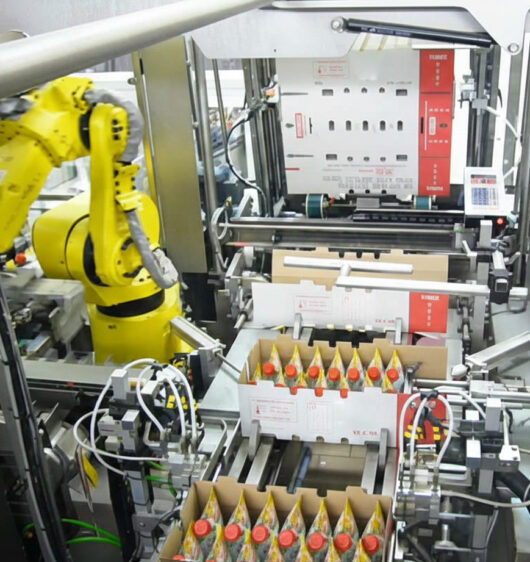
The blank is taken from a magazine, positioned in the machine and folded around the products. The flaps are then closed and bonded, often using hot-melt adhesive. This is also known as wrap-around packing.
The principle allows the case to be closely matched to the product group. It can reduce empty space, create a particular presentation and, depending on the format, reduce the amount of cardboard used.
For more detail, see our dedicated article: what is a wrap-around case packer?
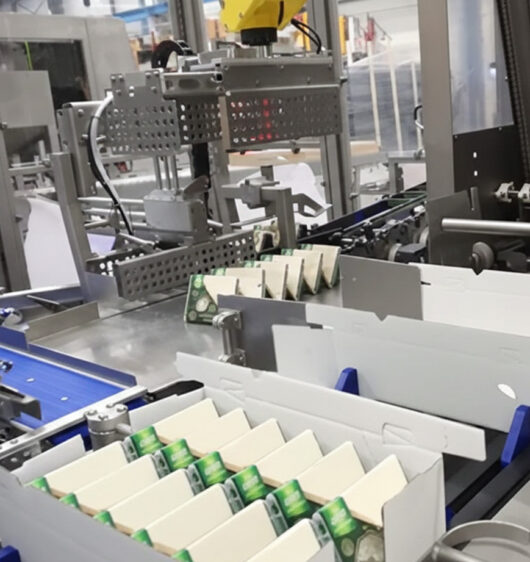
A wrap-around case packer works from flat cardboard blanks. Products arrive already grouped or are grouped by the machine. The blank is positioned beneath or around the group and then folded to form the case.
The machine generally carries out several stages: feeding flat blanks, grouping products, positioning the batch, folding the cardboard, gluing, closing and discharging the finished case. Movements can be mechanical, robotic or combined depending on throughput, required accuracy and product type.
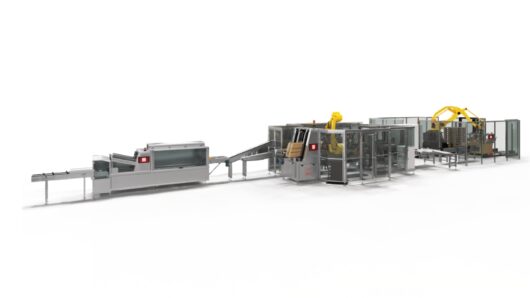
JYGA provides solutions including closed-case wrap-around case packers and Wrap-Around Case Packer for trays with ledges, depending on the required level of protection, presentation and openness.
Wrap-around case packing can create several forms of secondary packaging: closed cases, trays, open cases, shelf-ready trays, retail-ready packaging, cases with lids and formats designed specifically for shelf presentation.
This flexibility is particularly useful when products need to remain visible or be easy to remove in store. Examples include certain food trays, pots, bottles, cartons and flow-wrapped products.
Wrap-around packing is also relevant when the cardboard should be adapted to the product rather than the product being adapted to a standard case. The blank can be designed for retention, presentation, ventilation, shelf access or material reduction.
The main difference between wrap-around and RSC case packing is the method used to form the case.
With an RSC case, the case is erected before the products are introduced. With wrap-around packing, the cardboard is formed around the product group. This affects protection, cardboard use, footprint, throughput, shelf presentation and the overall packaging cost.
| Criterion | RSC case packing | Wrap-around case packing |
|---|---|---|
| Cardboard type | Pre-glued case supplied flat | Flat cardboard blank |
| Case formation | Before product loading | Around the product group |
| Product loading | From the top or side | The cardboard wraps around the batch |
| Protection | Very good overall protection | Varies with the selected format |
| Cardboard consumption | Often higher | Often more closely optimised |
| Shelf presentation | Less focused on merchandising | Well suited to shelf-ready packaging |
| Available formats | Conventional closed case | Closed case, tray, shelf-ready, open case, lidded case |
| Products | Very broad range | Broad range, particularly useful for stable batches |
| Palletising | Very suitable | Very suitable when the format is correctly designed |
Wrap-around case packing often uses less cardboard than an RSC case because the blank is designed to fit closely around the product batch. The case can be tailored to the product, reducing empty space and material in some areas.
This is not automatic. The saving depends on the case format, required strength, palletising pattern, number of products per case and transport constraints. A wrap-around case that is made too light can cause problems if it does not withstand handling or stacking.
The right comparison therefore considers not only cardboard cost but also mechanical performance, damage rates, ease of palletising and the behaviour of the case throughout the logistics flow.
RSC cases generally provide a reassuring level of protection, particularly for products that will be stored, stacked, transported or handled several times. Their closed structure and flaps provide good impact resistance and vertical compression strength.
Wrap-around cases can also provide excellent protection, especially in a fully closed format. However, some open or shelf-ready formats are designed more for presentation, access or material reduction and therefore need to be assessed against transport and palletising constraints.
The right choice depends less on the name of the case than on its use. Packaging intended for long-distance dispatch does not have the same requirements as a shelf-ready tray or an internal-transfer pack.
Talk to our team.
The choice should start with the product and then consider the industrial flow. Look at how products arrive on the line, how they need to be grouped, how they will be transported and how they will be used after case packing.
One solution may save cardboard but require more adjustments. Another may be easier to operate but use more material. This is why the complete cost of ownership should be compared, not just the purchase price of the machine or case.
RSC case packing is often appropriate when the manufacturer wants a robust solution that is easy to understand and compatible with a wide range of products.
It can be recommended when:
This solution works well with cartons, pouches, pots, vials, trays, bottles and flexible packaging when the loading method is adapted to the product.
Wrap-around case packing is often relevant when the manufacturer wants the cardboard to fit the product closely, reduce empty space or create packaging that is better suited to presentation.
It can be recommended when:
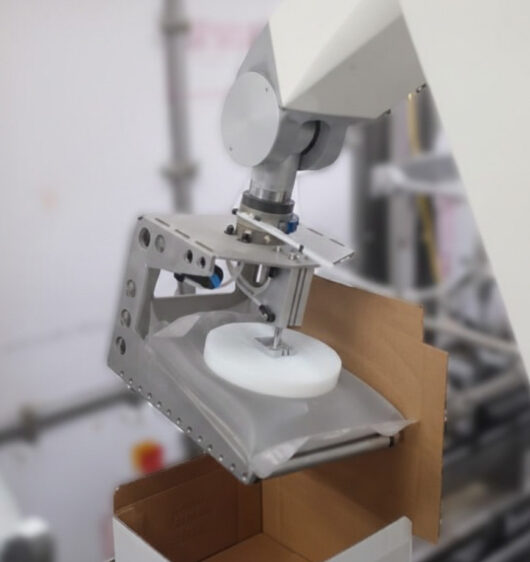
Wrap-around packing is particularly suitable for self-supporting or semi-supporting products, but it can also handle some non-self-supporting products when the machine, gripping system and cardboard are designed to retain them correctly.
Before selecting an automatic case packing solution, several factors should be assessed:
This assessment prevents the machine from being selected solely on the basis of the cardboard type. A good case packing solution must achieve the required throughput, remain accessible, protect the products and integrate into the existing end of the line.
To structure this type of project, see also: 7 steps to automate a case packing station.
At JYGA, the choice between wrap-around case packing and RSC case packing starts with the product and how it will be used after case packing. Secondary packaging is not selected in isolation. It is assessed alongside throughput, batch stability, available space, operator constraints, format changeovers and downstream palletising.
For an RSC project, the challenge may be to erect the case, load products from the top or side, then close and discharge the case without interrupting the flow. For a wrap-around project, the analysis focuses more on the cardboard blank, batch retention, adhesive application, final case format and its behaviour through to palletising.
This approach makes it possible to compare solutions using practical criteria: product protection, cardboard consumption, throughput, operating cost, machine accessibility and ease of use for operators.
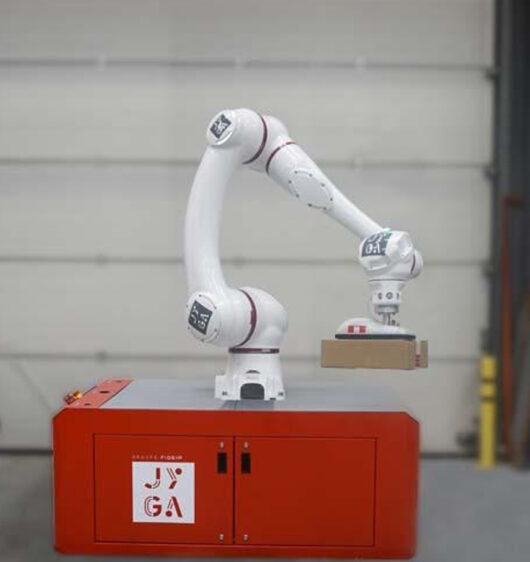
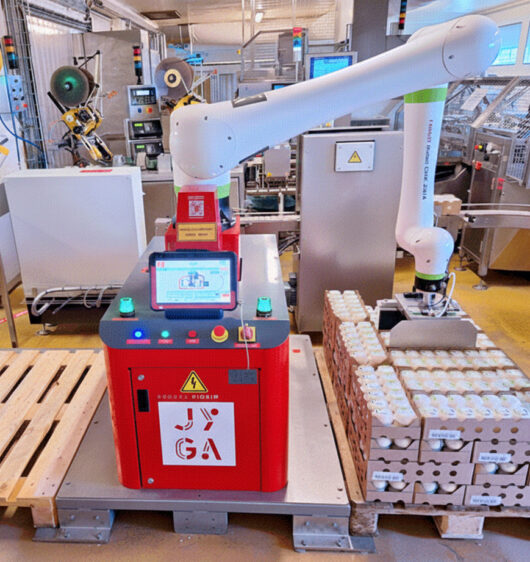
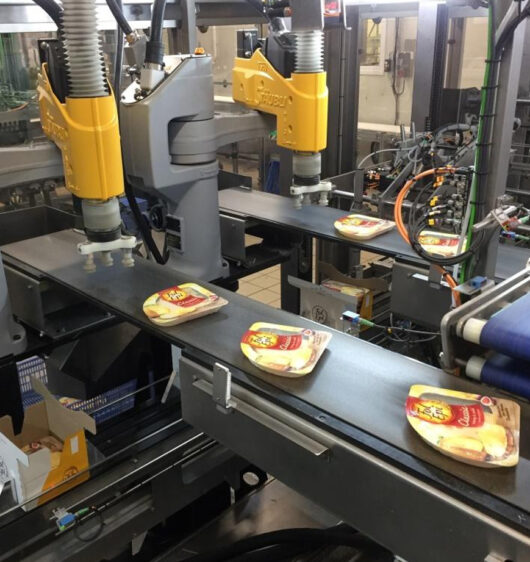
JYGA designs robotic case packers for different formats, including closed wrap-around cases, shelf-ready trays, open cases, RSC cases, custom cases and top-load applications. Our robotic case packing projects illustrate the variety of products handled, from cartons and trays to pots, stand-up pouches, flow packs, pouches, vials and unpackaged products.
If you are deciding between an RSC case and a wrap-around case, analysing the product, cardboard, throughput and palletising requirements will usually make the most appropriate option much clearer.
The main difference between wrap-around case packing and RSC case packing is how the case is formed. An RSC case is erected before products are loaded, while a wrap-around case is formed around the batch from a flat blank.
RSC cases remain widely used because of their strength, straightforward operation and compatibility with many products. Wrap-around case packing offers greater flexibility in case shape, presentation, cardboard reduction and how closely the pack fits the product.
The best choice therefore depends on your product, throughput, logistics constraints and packaging objective: protection, transport, presentation, material reduction or easier shelf replenishment.
Do you have a case packing automation project? JYGA can help compare the available solutions and define equipment suited to your end-of-line requirements.
Aurélie DUPONTCase Packing Division Manager

Would you like to know more? Find everything you need to know here, and much more!