What Is an Industrial Thermoformer?
Reading time : 5 min

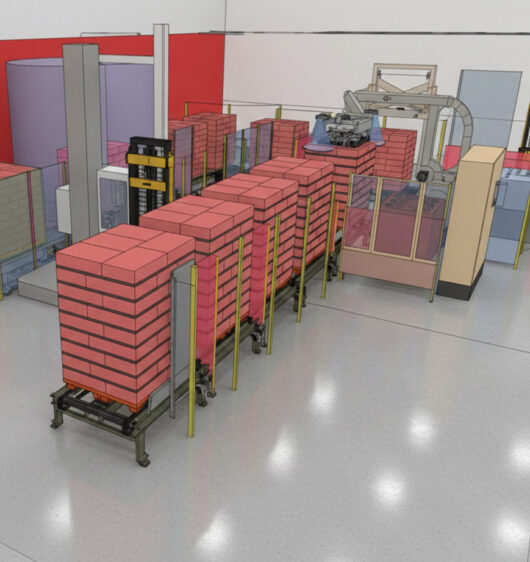
Case packing takes place towards the end of the production line. It places products into shipping cases so that they can be stored and transported safely. What are the main types of case packing machine, and why automate this operation?
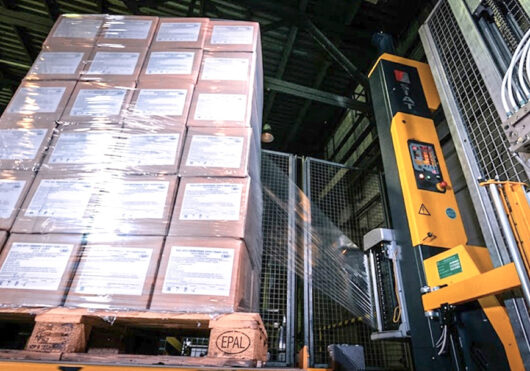
Before palletising, products are often placed into transport packaging, usually cardboard cases, to protect them during storage and delivery. This end-of-line stage is used in many industries, including:
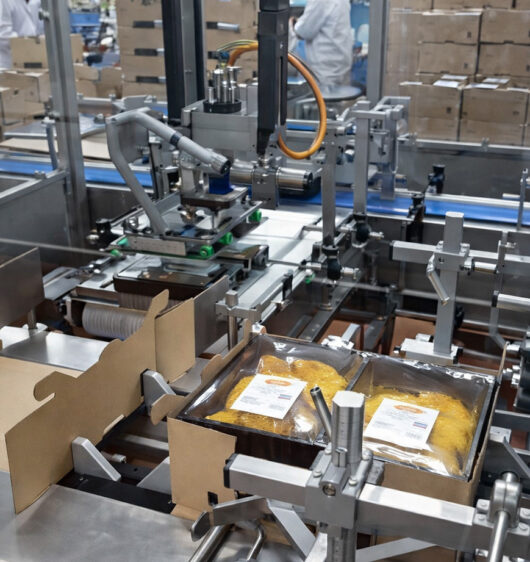
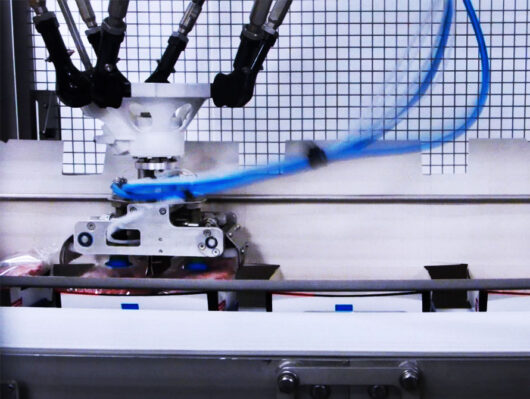
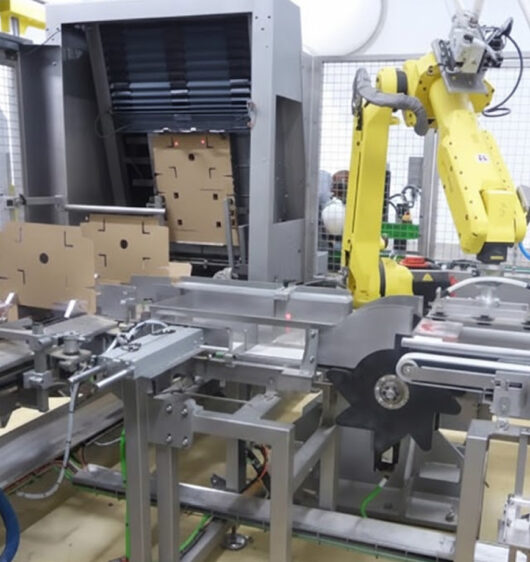
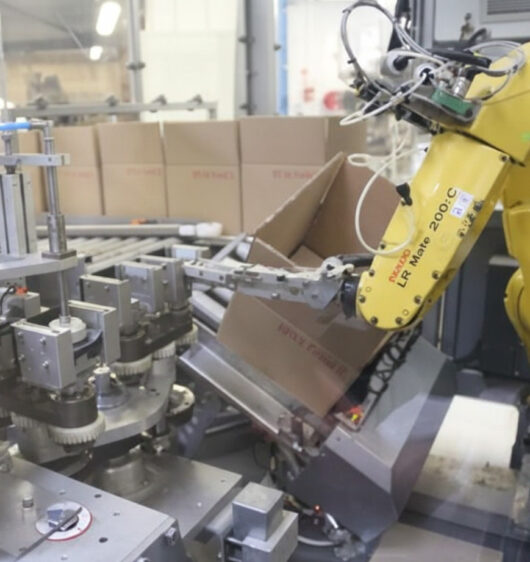
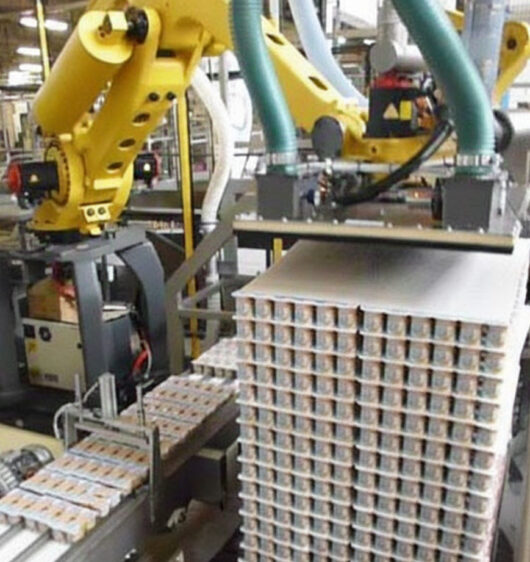
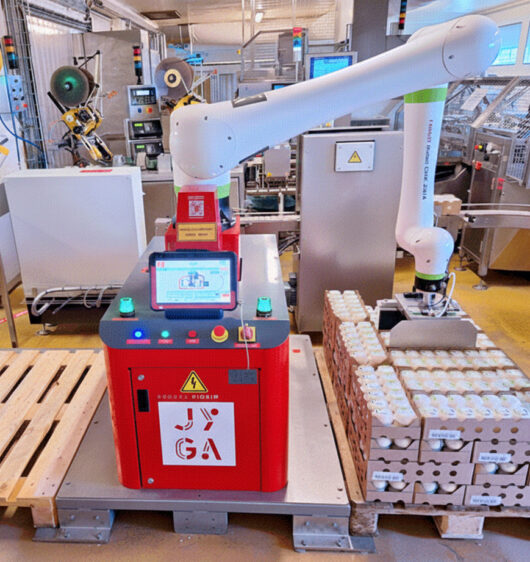
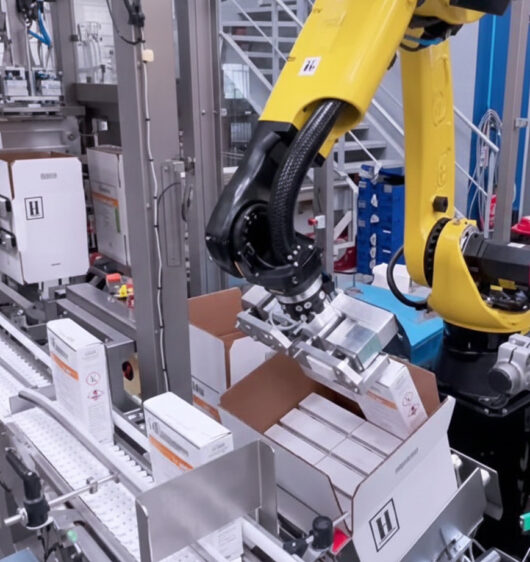
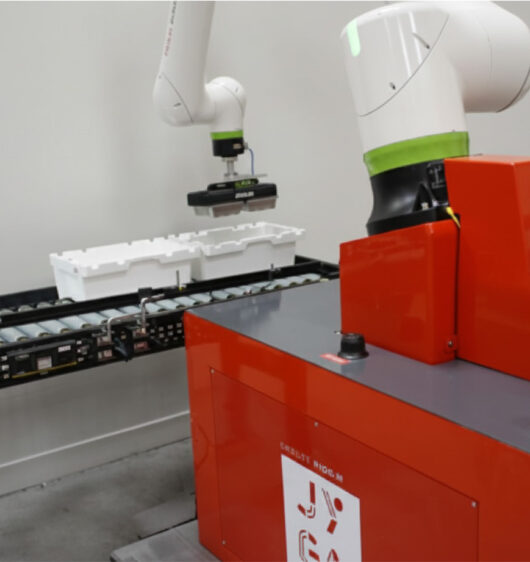
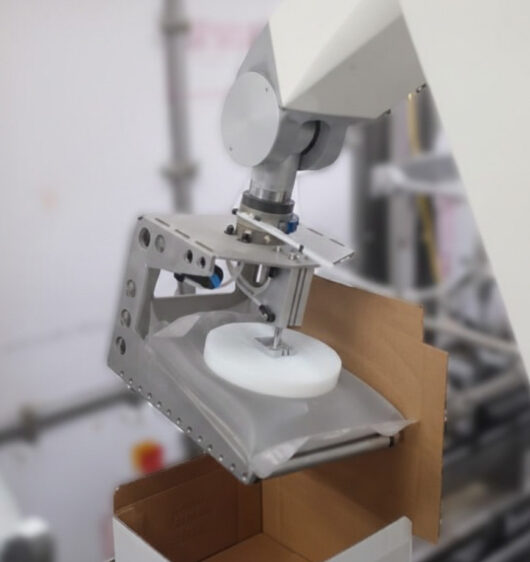
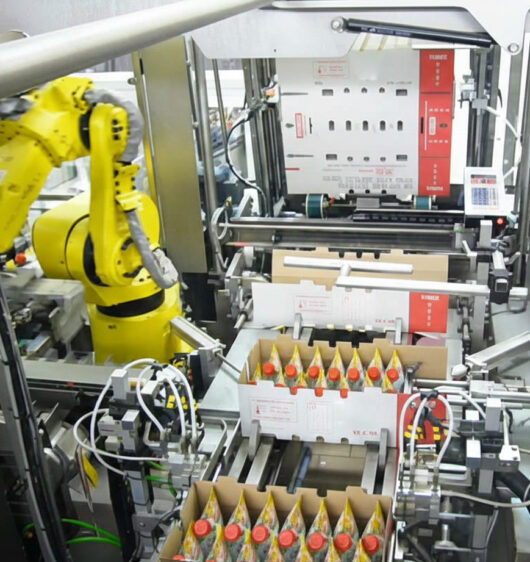
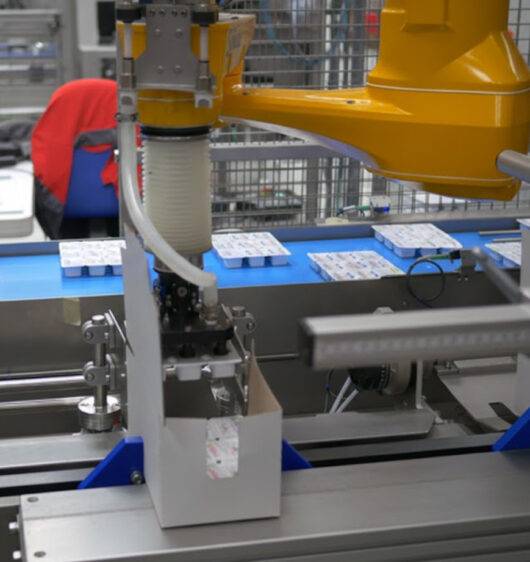
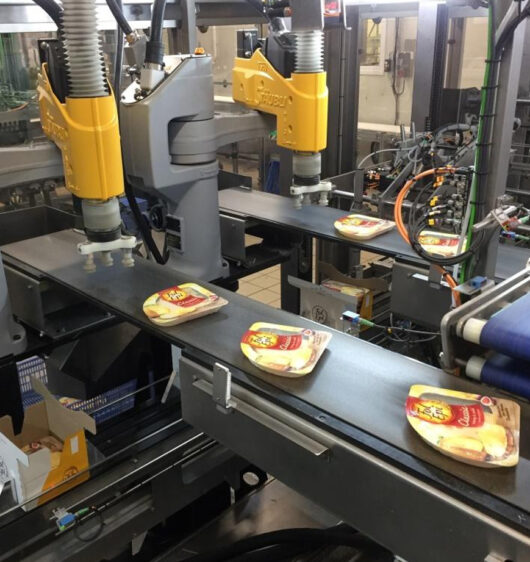
A case packing machine automates this operation. Depending on the packaging format, it can work from flat cardboard blanks or pre-glued cases, form the case, load products from the top or side, and close it. Product handling can use robotic end-of-arm tools or mechanical guiding systems, depending on the application.
Our team is here to advise you.
Several types of case packing machine are available to meet different packaging requirements.
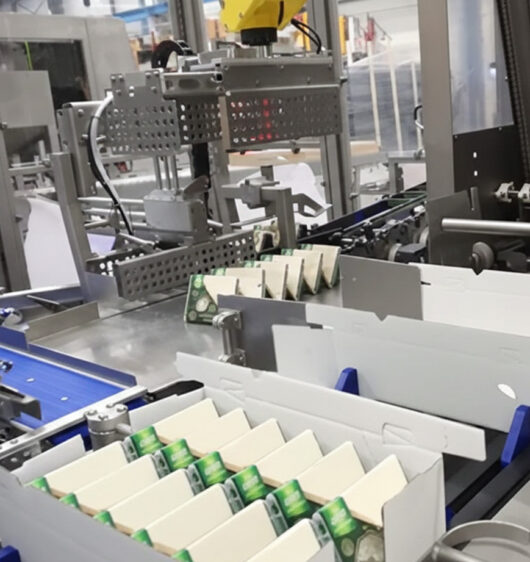
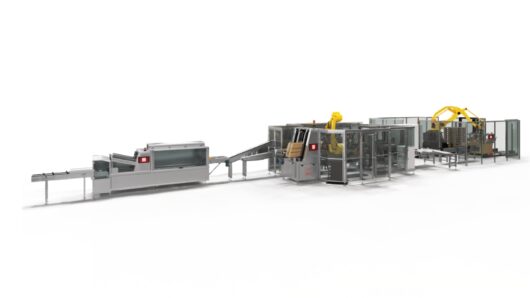
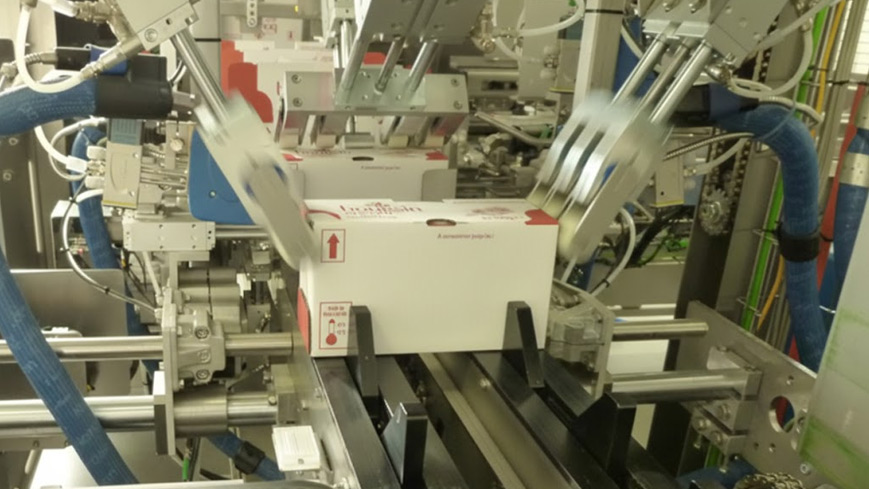
An open-case wrap-around case packer forms a shelf-ready or tapered case from a flat cardboard blank. These formats can be suitable for self-supporting products such as cans, cartons and pots.
Closed-case wrap-around case packers are also available. In this configuration, the case is formed around the products being packed. Once loaded efficiently, the case is fully closed to protect the contents during storage and logistics. The system can be designed for different product types and for efficient case format changeovers.
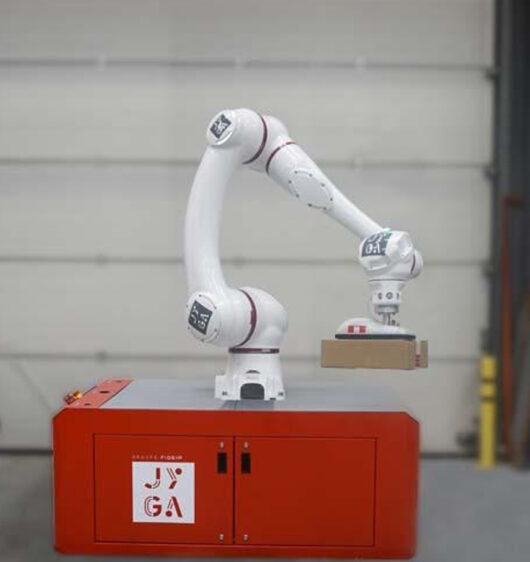
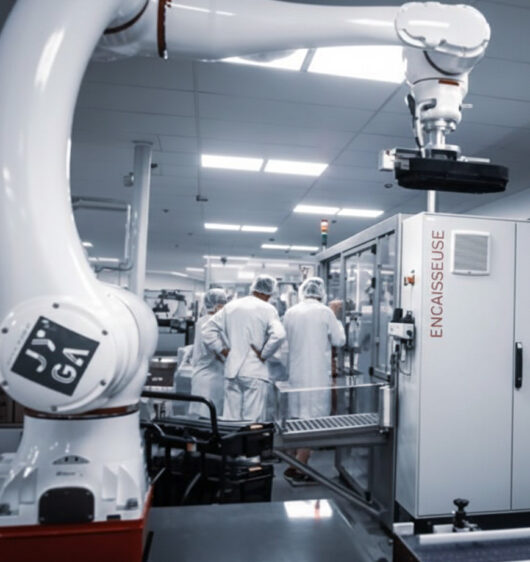
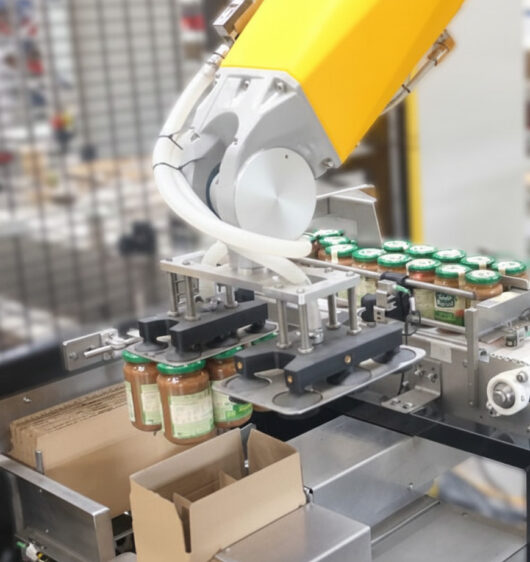
A top-load case packer loads products into the case from above. The case may already be formed, or a case-forming module can be added upstream to form it from a flat blank. The robotic system picks the products using a suitable gripper and places them into the cases, which are then closed using the specified method before palletising.
One of the main reasons manufacturers automate case packing is to improve working conditions. Manual case packing can involve repeated movements over long periods, increasing exposure to musculoskeletal disorder risks. A robotic case packer can take over these repetitive operations and allow operators to focus on less physically demanding, higher-value tasks.
A case packing machine can also optimise the use of space inside the case. Products can be arranged consistently to minimise unnecessary voids, improving storage and logistics efficiency.
Automation can also improve throughput. The original article cites case packing speeds of up to 30 cases per minute for some applications. A machine can maintain repeatable performance over extended operating periods, while operators focus on tasks that require judgement and decision-making.
Integrating a case packing machine at the end of the line can provide several benefits. Different technologies are available, including wrap-around, top-load and side-load case packing. JYGA can analyse your application and recommend a solution suited to your products and throughput.
Aurélie DUPONTCase Packing Division Manager

Would you like to know more? Find everything you need to know here, and much more!