What Is an Industrial Thermoformer?
Reading time : 5 min

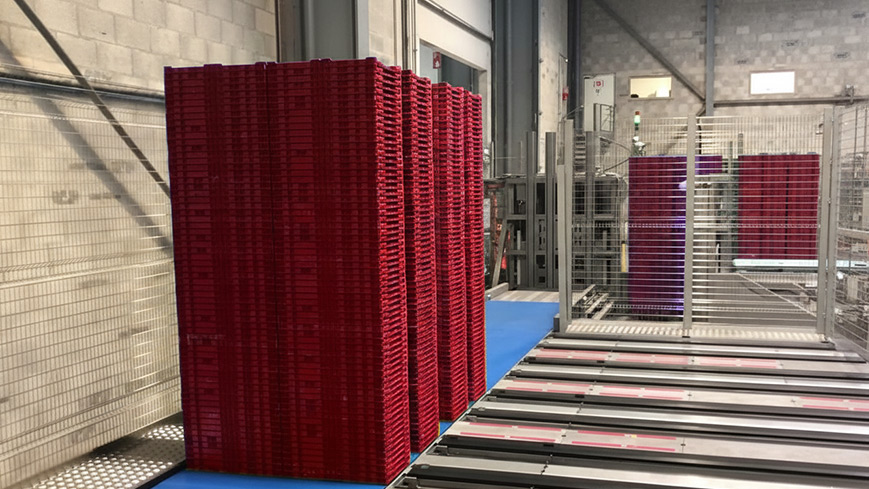
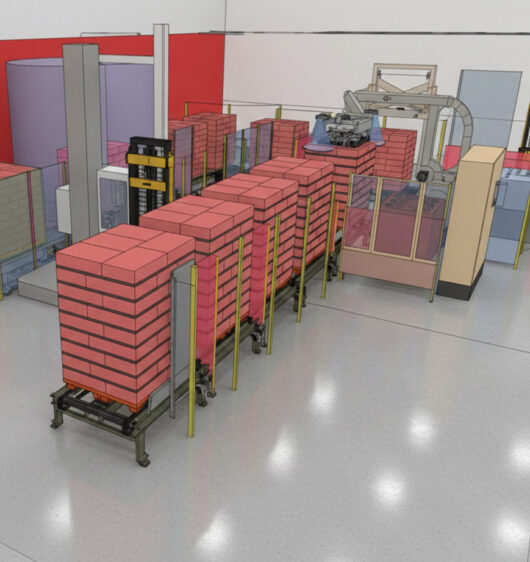
The end of the production line is a critical stage in a manufacturing facility. It prepares products for transport through distribution networks and for storage under optimum conditions. Palletising is particularly important because effective load formation helps protect products. Here is how automatic palletising can optimise this stage.
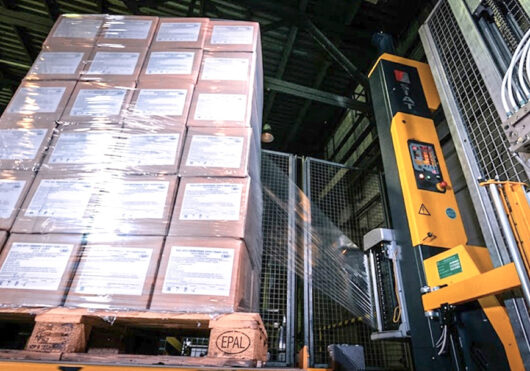
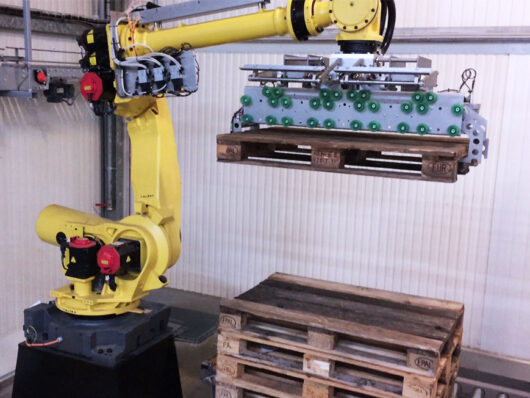
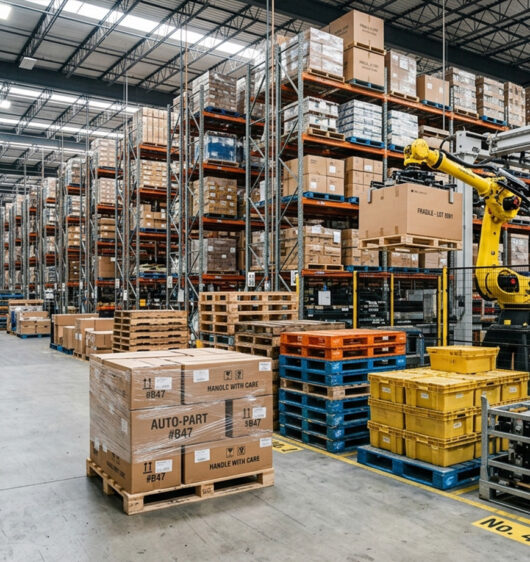
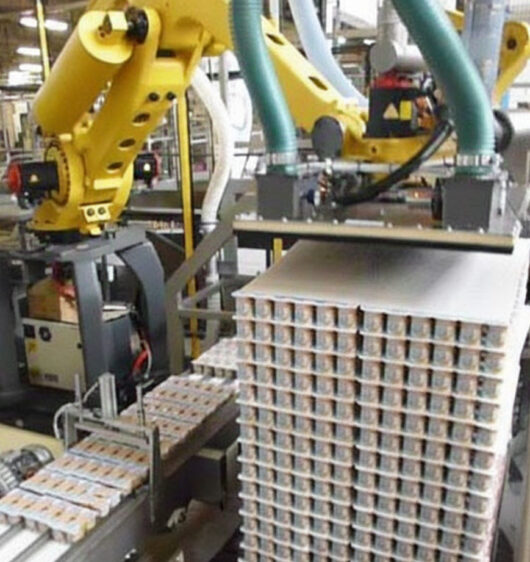
Palletising is the process of loading and grouping products on a pallet to optimise transport and storage. A pallet is a platform made from wood, plastic or metal on which products are stacked so that they can be moved or stored safely. Layer pads can be positioned between layers to help stabilise the load.
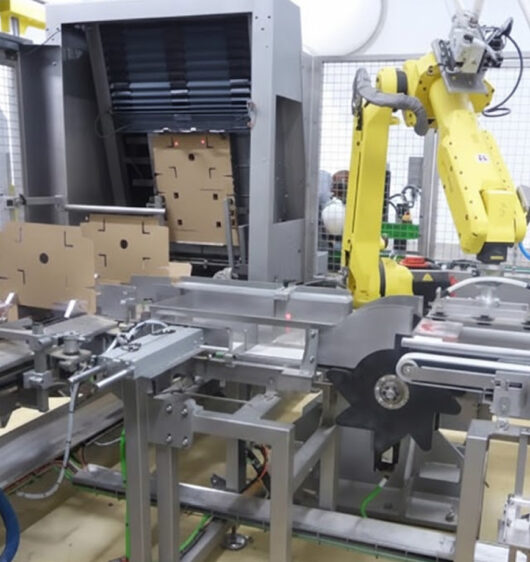
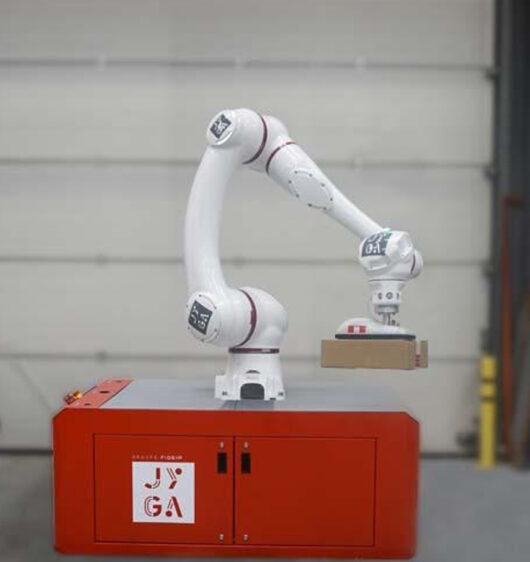
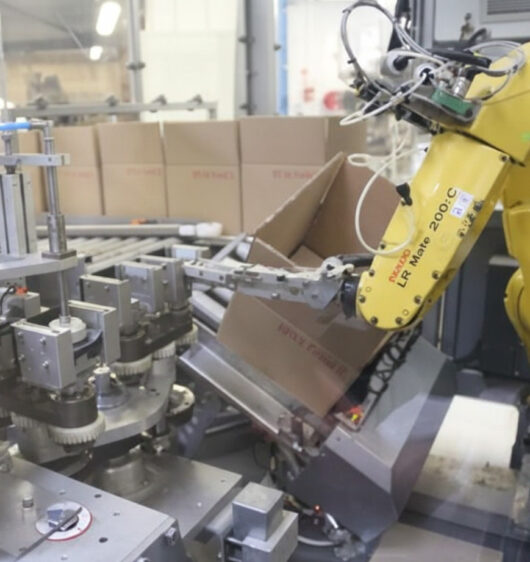
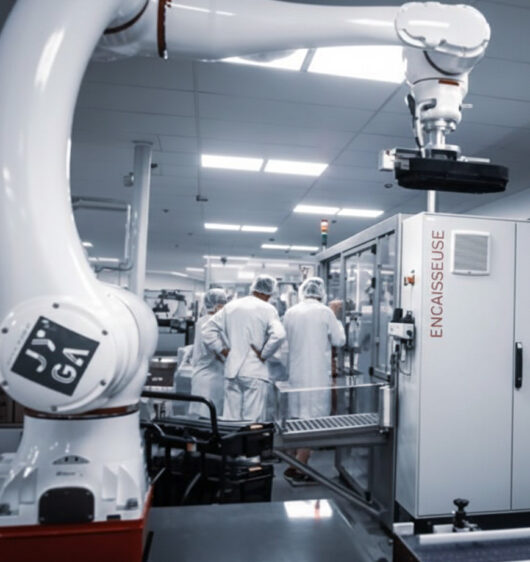
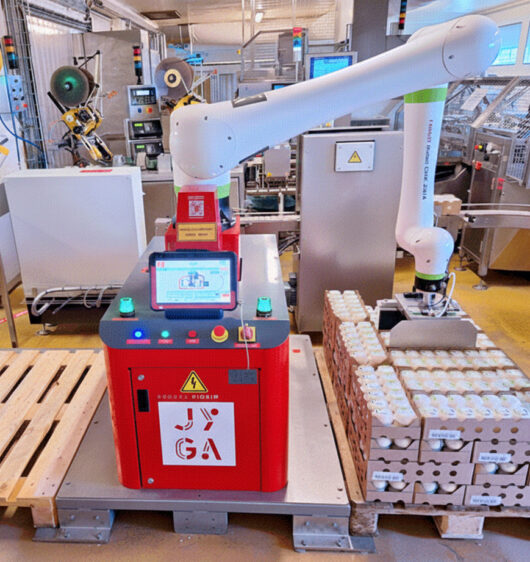
Palletising can be carried out manually or automatically. With manual palletising, operators stack products on the pallet and arrange them according to their shape, size and weight. With automatic palletising, articulated robots handle the picking and placement of products onto the pallet.
Our team is here to advise you.
To reduce unused space and make the best possible use of the pallet footprint, an optimised pallet loading pattern is required. This can be generated by software designed to propose efficient palletising patterns.
To calculate the pattern, several pieces of information about the cases are required:
A calculation matrix can then be used to determine the position and number of cases on each pallet. An optimised pallet load therefore defines:
Read more: AUTOMATIC PALLETISING: WHY AND HOW TO GET STARTED
Automatic palletising can bring a significant change to a manufacturing site. It can reduce physical strain on operators, who can then be assigned to more valuable tasks. Heavy lifting and repetitive movements can contribute to musculoskeletal disorders, work stoppages and occupational illness. Introducing automatic palletising at the end of the line can also improve the employer brand and support recruitment.
Automatic palletising can also improve production efficiency by allowing robots to operate for extended periods. Consistently built pallets make better use of available space and can provide improved protection for cases.
Automatic palletising can reduce MSD-related risks while improving productivity. By assigning palletising to robots, operators are relieved of a physically demanding and repetitive task.
Aurélie DUPONTCase Packing Division Manager

Would you like to know more? Find everything you need to know here, and much more!