What Is an Industrial Thermoformer?
Reading time : 5 min

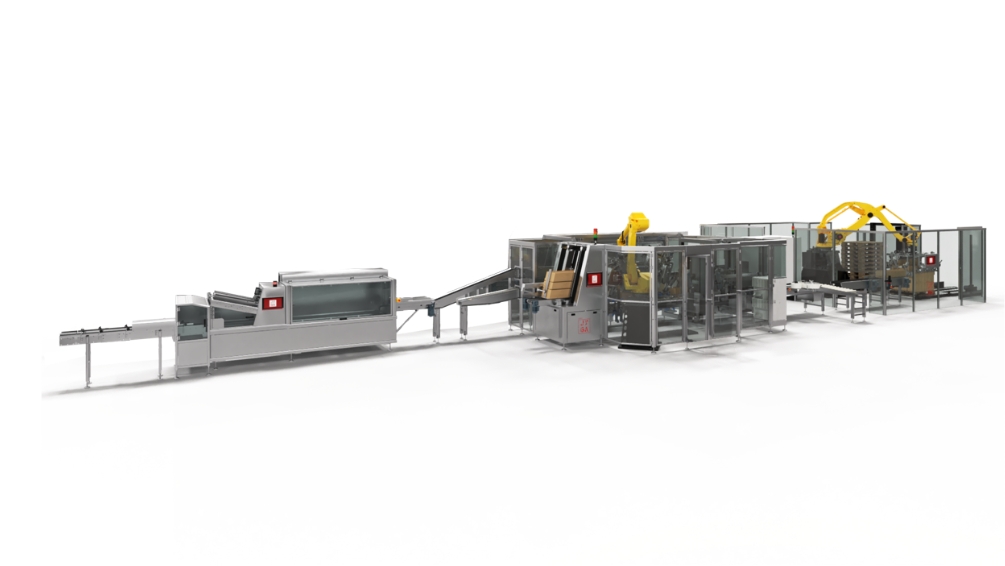
Manufacturers have many reasons to modernise production lines: productivity, flexibility, responsiveness and better working conditions for operators. But how should an end-of-line packaging modernisation project be approached? How do you choose the right partner, and which end-of-line operations can be automated most easily? This article outlines the main points to consider.
Changes in consumer and business purchasing behaviour have increased expectations for product personalisation, more local manufacturing, shorter delivery times and shorter supply chains that can reduce environmental impact.
Manufacturers therefore need production lines that can respond to these changing requirements. Today’s production equipment increasingly needs to:
These challenges make production-line modernisation increasingly important, particularly at the end of the line where many operations can still rely heavily on manual work.
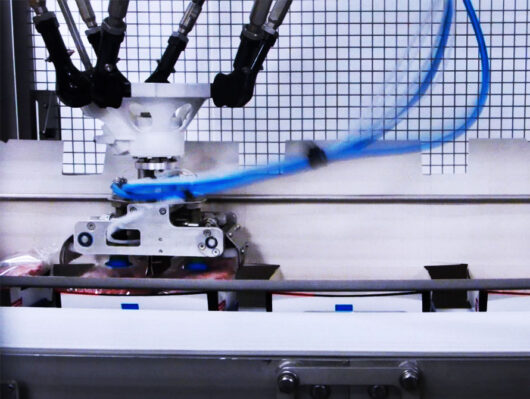
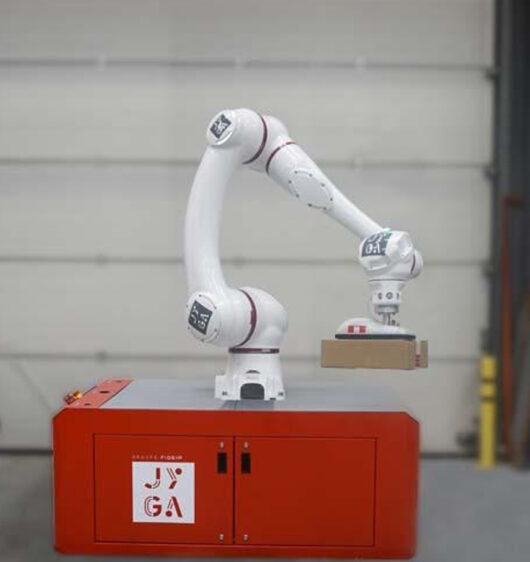
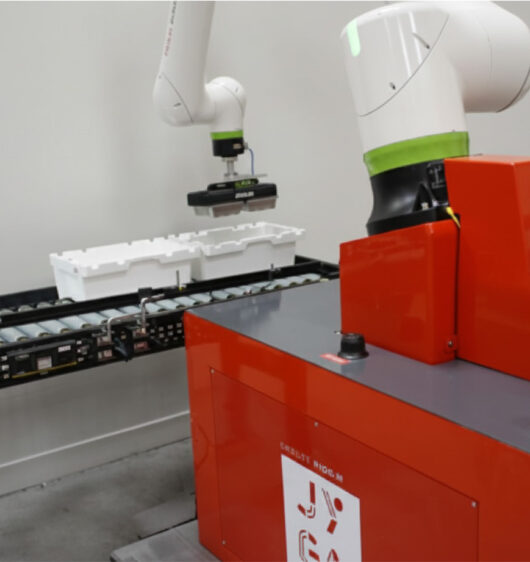
Whether through robotics or special-purpose machinery, automation can help manufacturers improve flexibility, responsiveness and competitiveness.
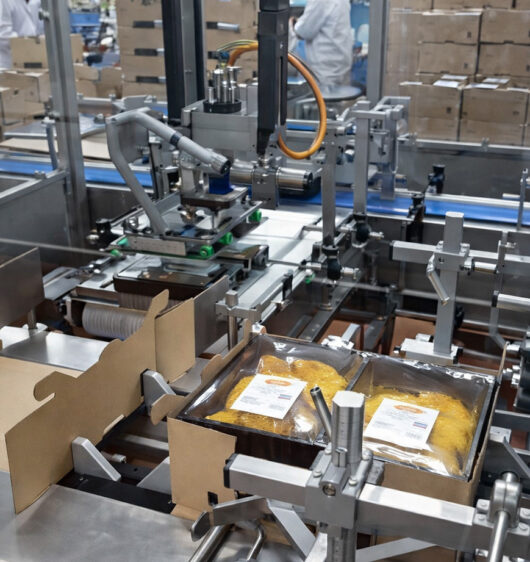
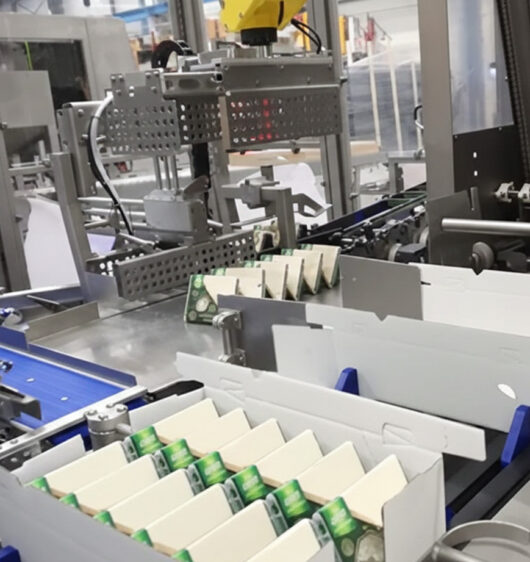
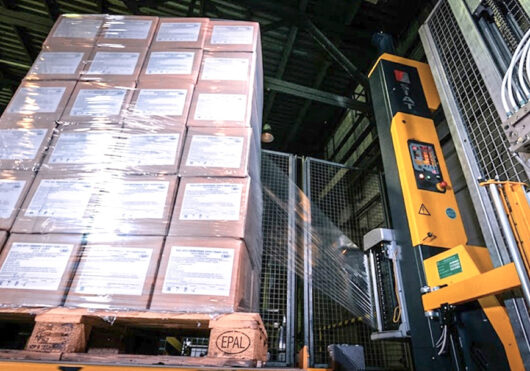
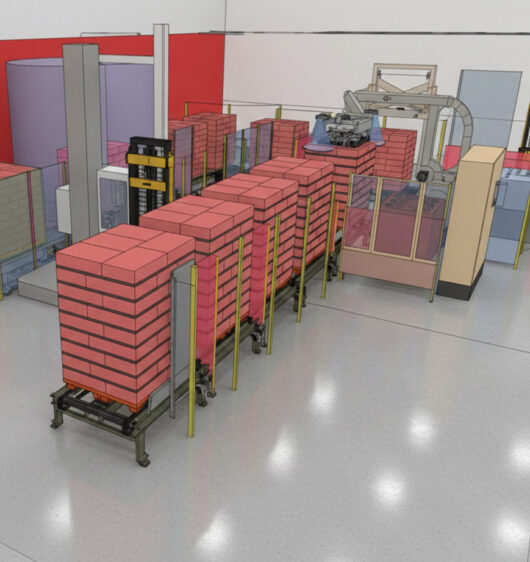
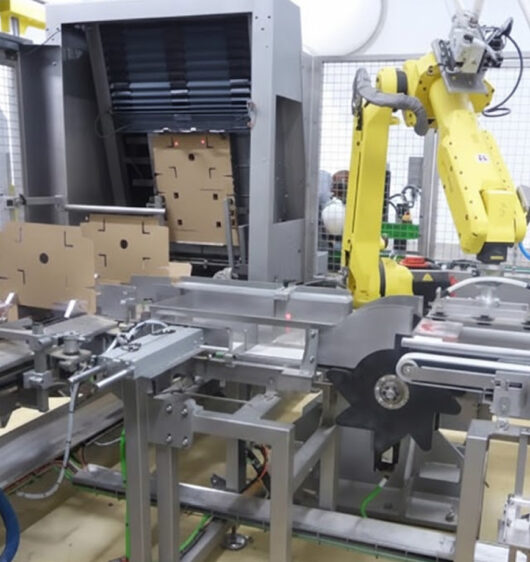
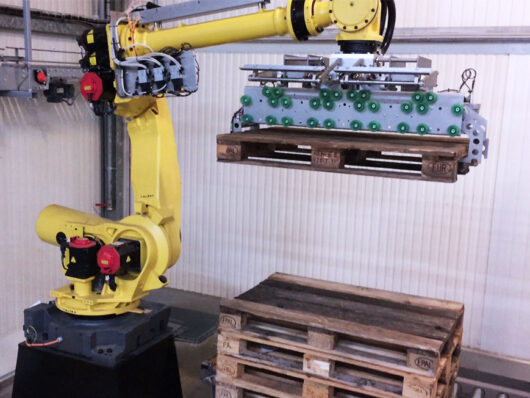
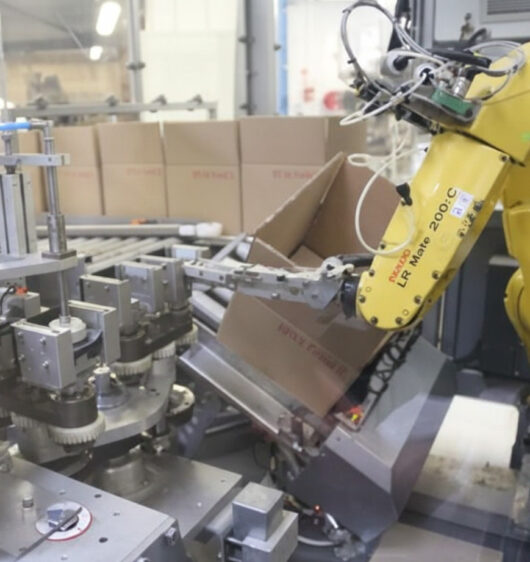
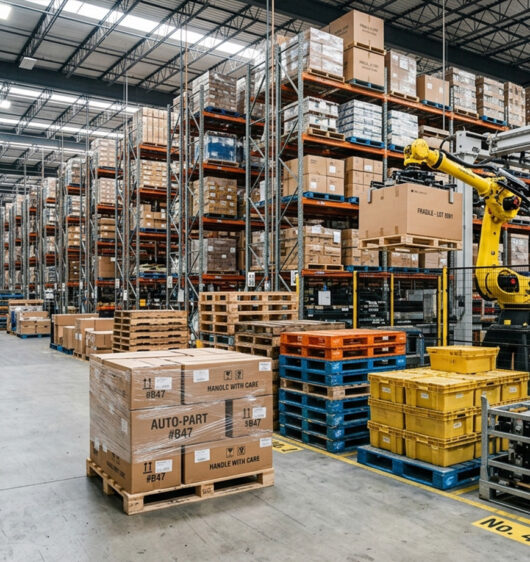
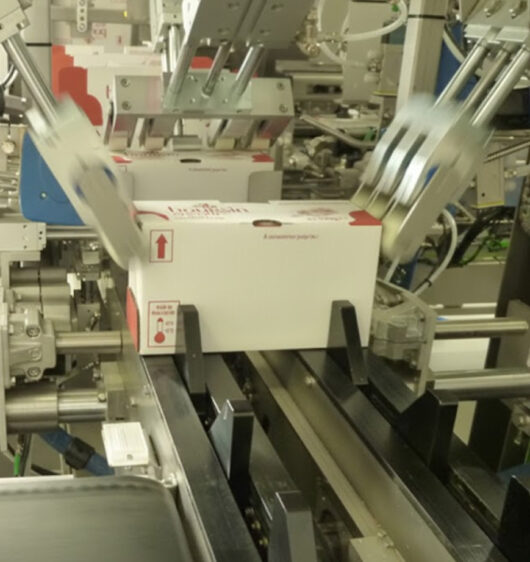
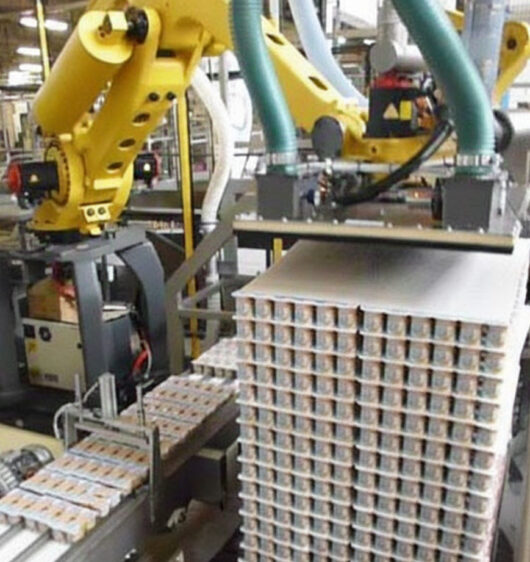
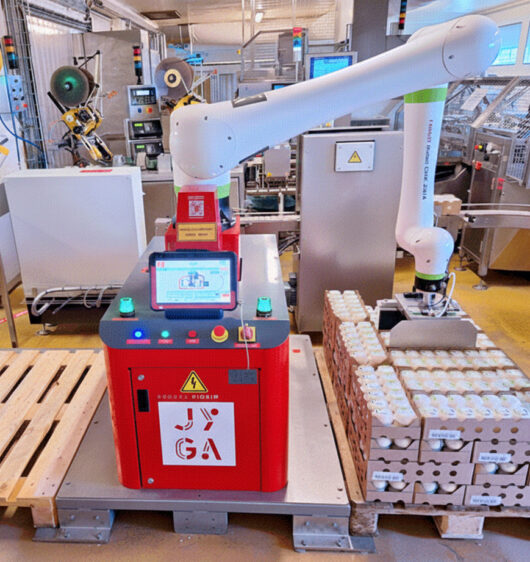
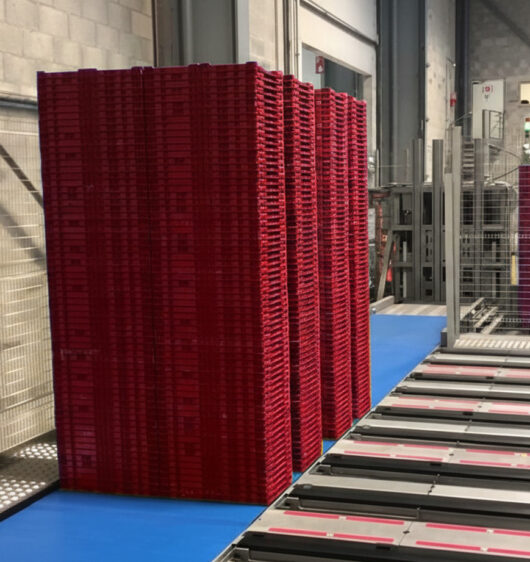
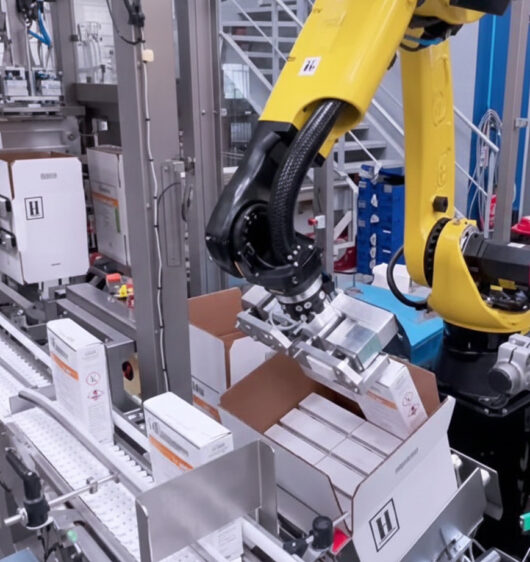
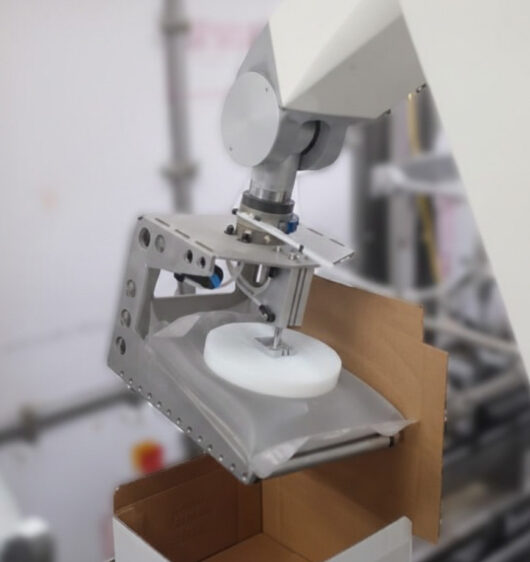
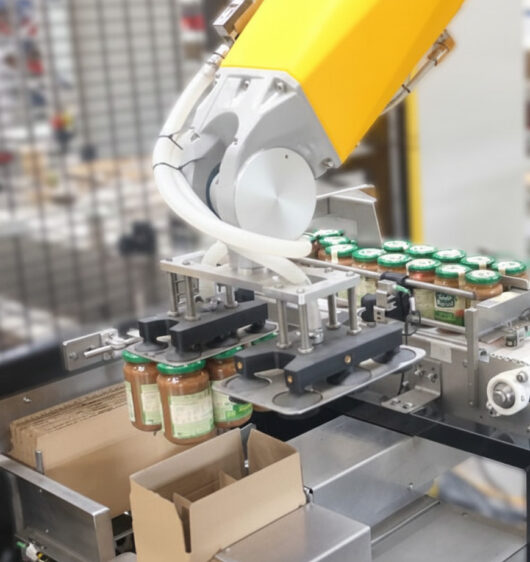
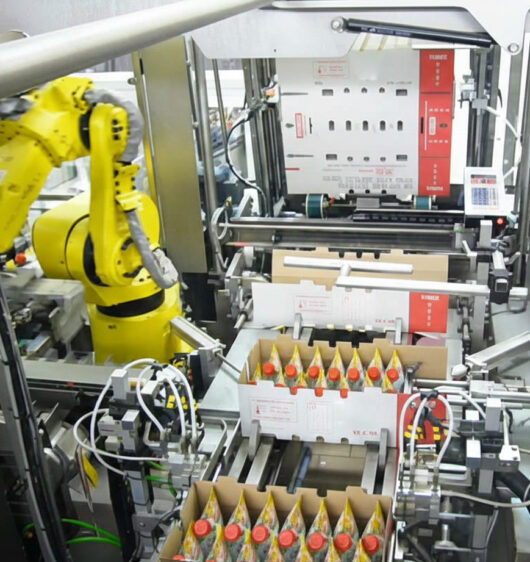
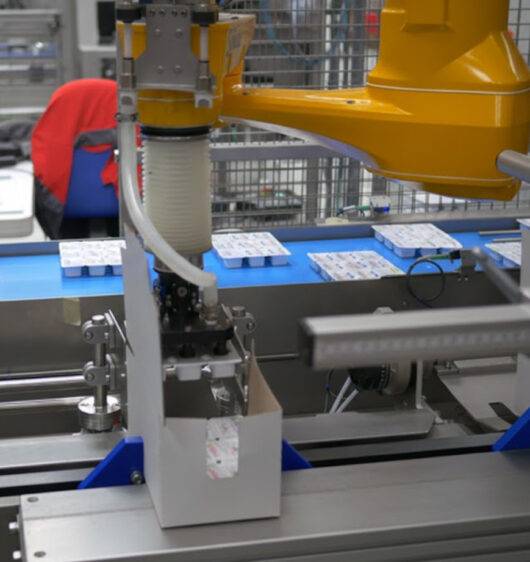
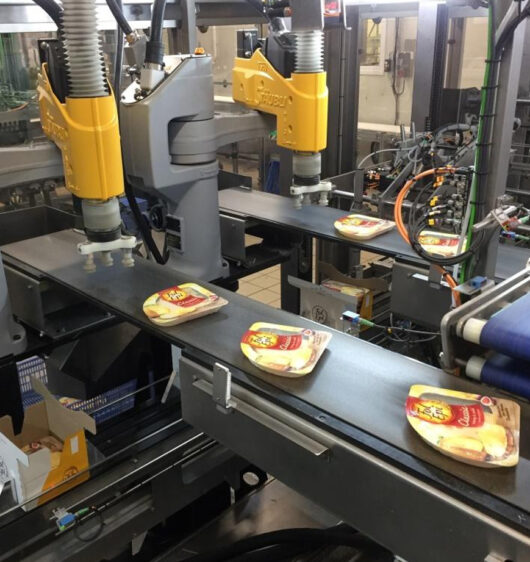
A large number of operations may be carried out at the end of a production line. Many are still assigned to operators and rely on manual actions, but most can be automated to improve productivity and reliability while reducing operator exposure to repetitive or physically demanding tasks. Commonly automated operations include:
By removing tiring, risky or highly repetitive tasks, manufacturers can reassign operators to higher-value work such as supervising several automated stations, preparing format changeovers or coordinating production.
A partner supporting an end-of-line modernisation project will generally need to work through several key stages:
Our team is here to advise you.
Because these projects are technically complex and can have a major impact on end-of-line packaging operations, choosing the right partner is critical.
Mutual trust, the ability to listen and understand production issues, technical creativity, multidisciplinary engineering capability, customer references, financial stability, end-to-end project management and the number of interfaces involved are all points worth assessing before making a decision.
End-of-line automation projects can run for several months and involve human, technical, financial and organisational constraints. Manufacturers therefore need a reliable partner with relevant experience and the ability to manage these factors together.
Depending on the country, region and timing of the project, public bodies or economic-development organisations may offer funding mechanisms for industrial modernisation and automation.
In France, programmes such as France Relance and France 2030 have supported industrial transformation and robotics projects. Available schemes change over time, so companies should verify current eligibility and application conditions before planning funding into a project.
Further reading: France 2030 and industrial robotics
Local or regional organisations may also provide grants, loan guarantees, reduced-rate financing or other support for investment in industrial equipment.
Companies can contact their local chamber of commerce and relevant regional industrial-development organisations to identify current support schemes.
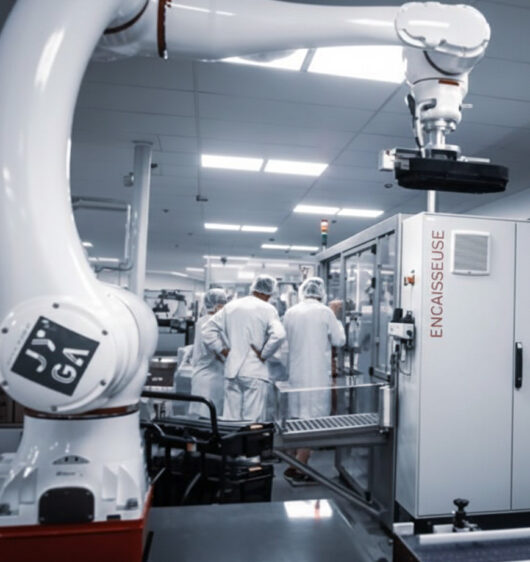
Are you assessing a project to modernise your end-of-line packaging? If you want to improve productivity and reduce manual operations for packaging and inspection, JYGA can help define concrete automation options based on more than 30 years of end-of-line experience.
Aurélie DUPONTCase Packing Division Manager
Would you like to know more? Find everything you need to know here, and much more!