What Is an Industrial Thermoformer?
Reading time : 5 min

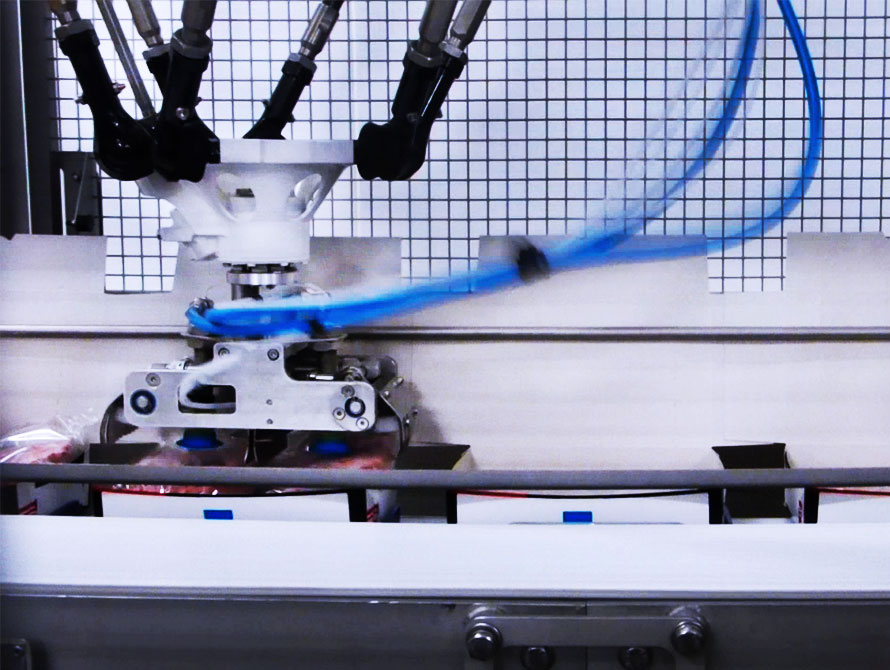
A production site can use a delta robot to optimise automated handling. What does this type of robot offer, where is it used and what costs should be considered?
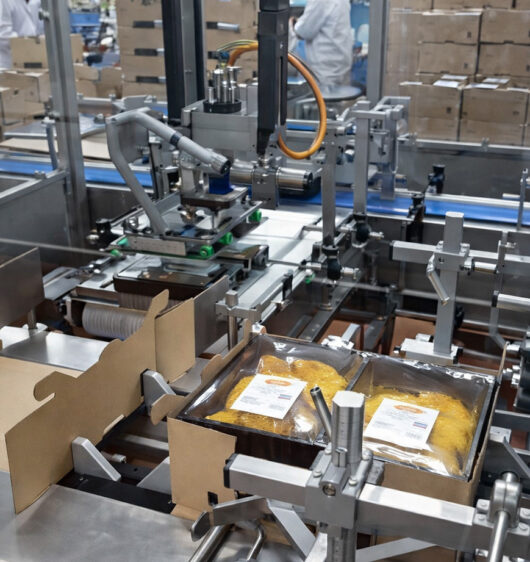
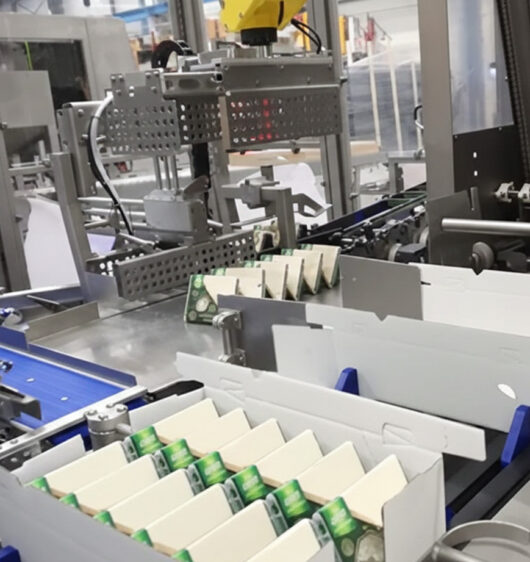
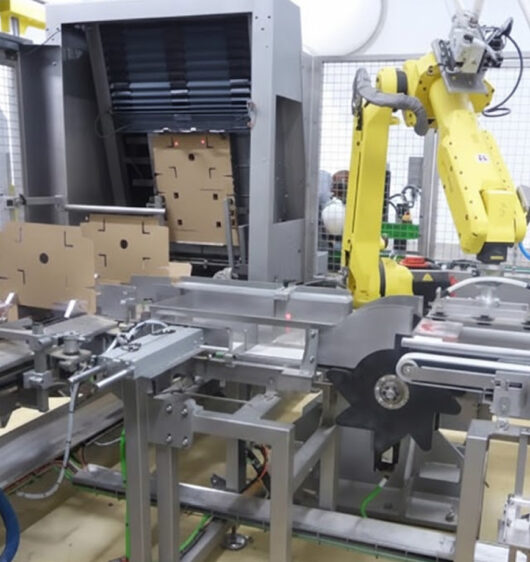
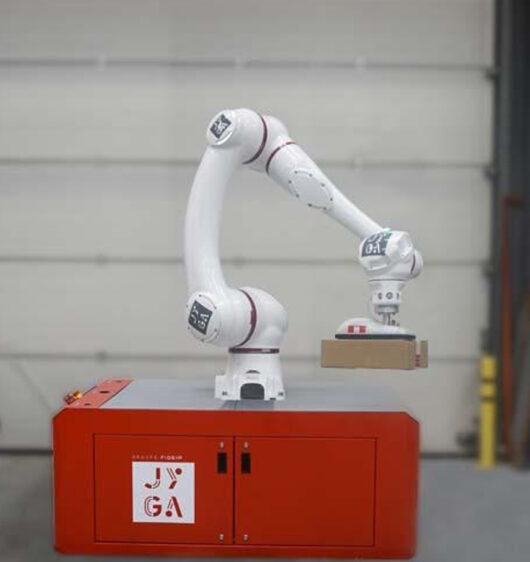
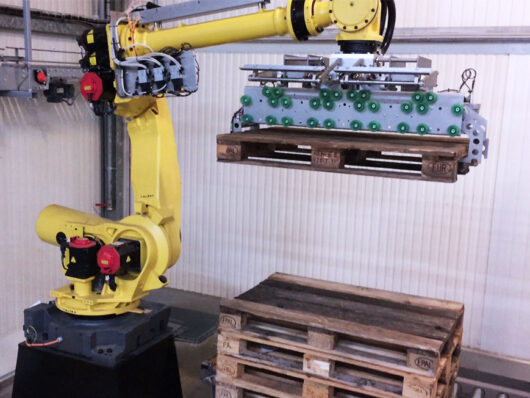
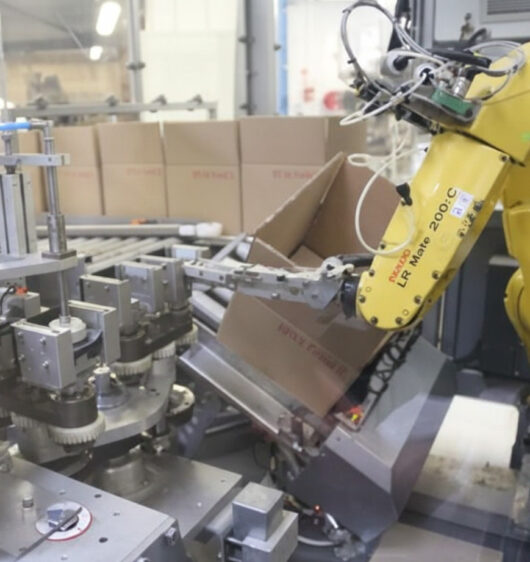
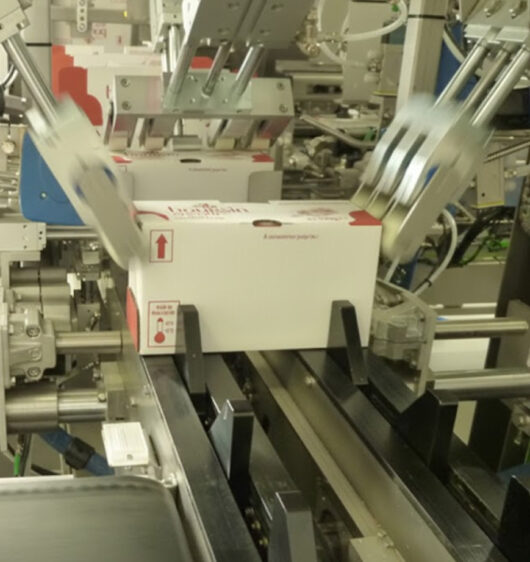
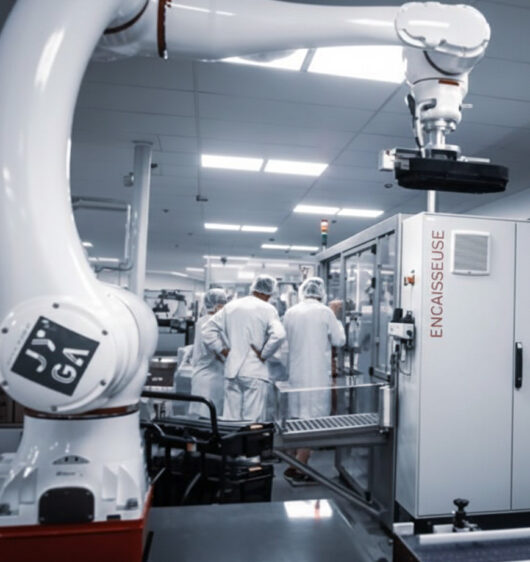
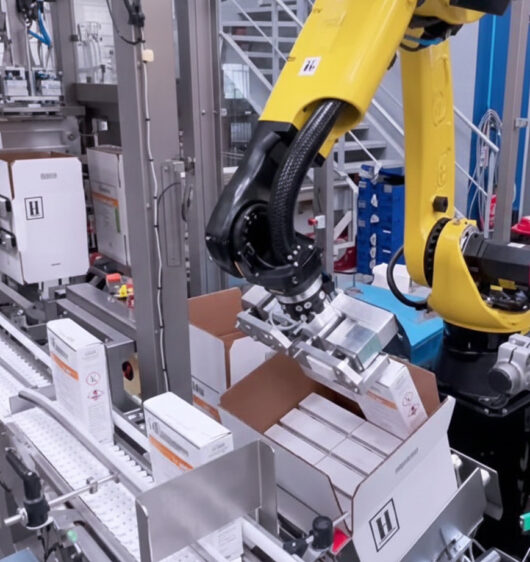
A delta robot is a specific type of industrial robot based on a parallel mechanical architecture. Delta robots are often used in applications that require high speed, high precision and agile movement, such as delta-robot case packing. Their design generally consists of three articulated arms connected to a fixed base. The ends of the arms are linked to a moving platform that can move throughout the robot’s working volume.
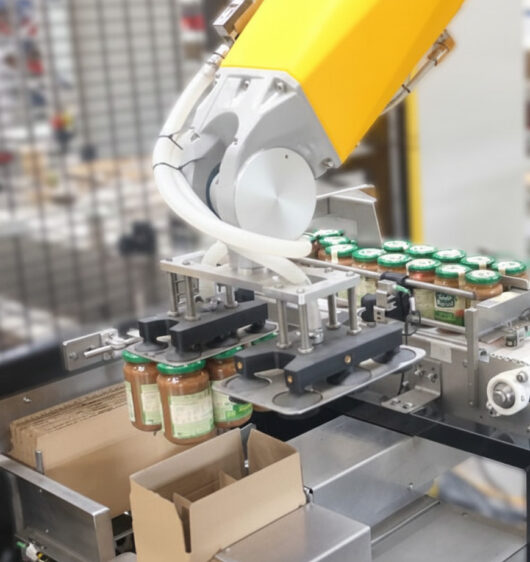
This type of robot is particularly effective for handling light products in applications requiring fast, repetitive movements, such as picking and placing items during assembly or packaging. Delta robots are also used in research, medical applications, food & beverage production and industrial automation.
Our team is here to advise you.
Delta robots offer several advantages over conventional articulated robots and other industrial robot types. They are frequently selected for their speed: the parallel architecture enables rapid, fluid movements throughout the working area. This makes them well suited to applications that require fast, repetitive motion. Because the moving loads are distributed across several arms, the design also provides good dynamic stability for the payloads it is intended to handle.
Delta robots are also known for precise positioning. Their mechanical structure and articulated joints enable them to reach demanding positions and perform assembly or handling operations with high repeatability. This can contribute to improved process quality and fewer production errors.
The compact mechanical structure of a delta robot can also reduce the space required around the handling zone. This makes the technology particularly useful where space is limited or several robots need to work within the same machine.
The initial purchase cost depends on the brand, model and specifications of the robot, as well as any additional options, market conditions and supplier agreement. In addition to the robot itself, costs may include the control system, controller cabinet, programming software and operator interfaces. These costs vary according to the level of functionality required.
Integrating the delta robot into an existing industrial environment can add further costs, including infrastructure changes, machine guarding or safety systems, and communication and control interfaces. The final cost depends on the complexity of the integration and the modifications required.
Training for personnel responsible for programming and operating the delta robot may also need to be included. Robot suppliers may offer maintenance and technical support contracts that affect long-term operating costs. Operating expenditure can include routine maintenance, spare parts, electricity and licences or services associated with software and control systems.
The total acquisition and operating cost of a delta robot should therefore be considered alongside the potential benefits it can deliver. A detailed cost-benefit analysis helps determine whether the investment is appropriate for the application.
Aurélie DUPONTCase Packing Division Manager
Would you like to know more? Find everything you need to know here, and much more!