What Is an Industrial Thermoformer?
Reading time : 5 min

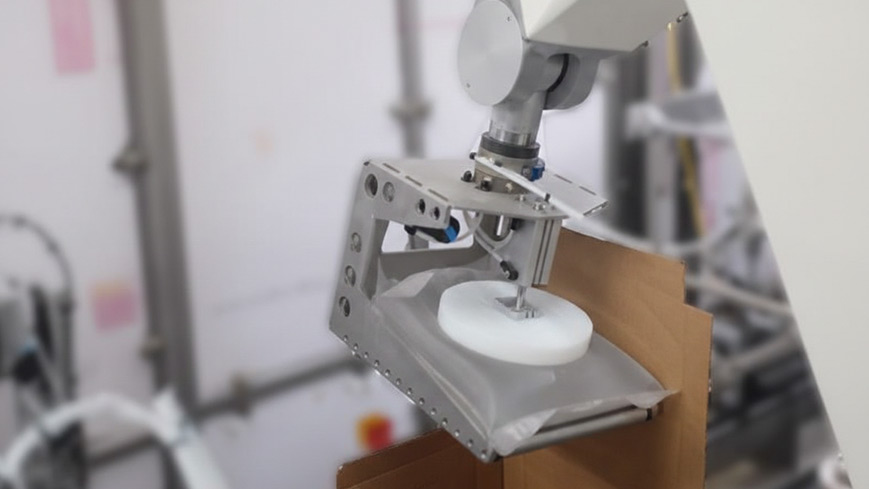
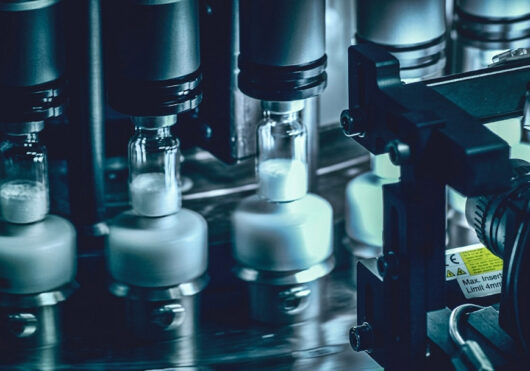
Packaging sterile medical devices presents a major challenge. Designed to minimise the risk of bacterial contamination, these devices require specific packaging that maintains sterility from market release through to final use. What regulations apply, and how can manufacturers identify and meet their packaging requirements? JYGA looks at the key considerations for these specialised pharmaceutical and medical products.
To maintain the integrity of a sterile medical device, its packaging must meet a number of requirements. These are defined by ISO 11607-1 and ISO 11607-2, which set requirements for packaging systems. The standards also define test methods used to demonstrate that packaging can maintain sterility through to the point of use.
Sterile barrier systems are also addressed at European level by Regulation (EU) 2017/745 of the European Parliament and of the Council. In summary, devices supplied sterile must be designed, manufactured and packaged using appropriate procedures so that they are sterile when placed on the market and remain sterile under the manufacturer’s specified transport and storage conditions until the sterile packaging is opened for use. Devices labelled as sterile must be processed, manufactured, packaged and sterilised using appropriate validated methods, while packaging systems for devices intended to be sterilised before use must minimise the risk of microbial contamination and be suitable for the specified sterilisation method.
Our team is here to advise you.
The pharmaceutical industry uses specialist packaging solutions to maintain the sterility of medical devices. To achieve this objective, the selected packaging must prevent potentially pathogenic microorganisms from entering while allowing the sterilising agent to pass through where required. It must also withstand mechanical, chemical and physical stresses arising during transport, storage and handling.
Manufacturers should consider several criteria when selecting the most appropriate packaging:
Based on these requirements, the packaging supplier selects the appropriate materials and processes to provide a solution that meets both the customer’s needs and applicable regulatory requirements.
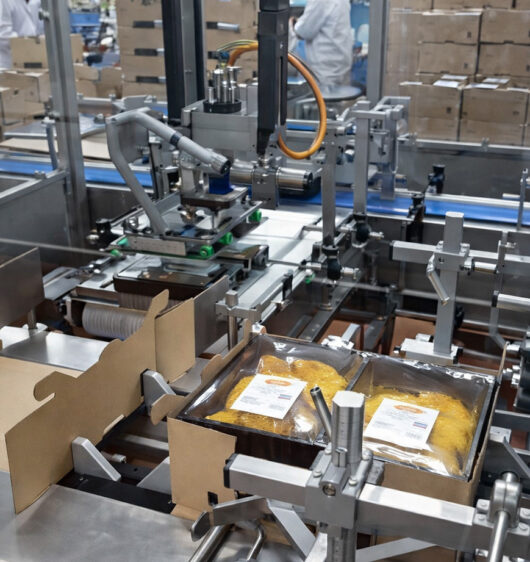
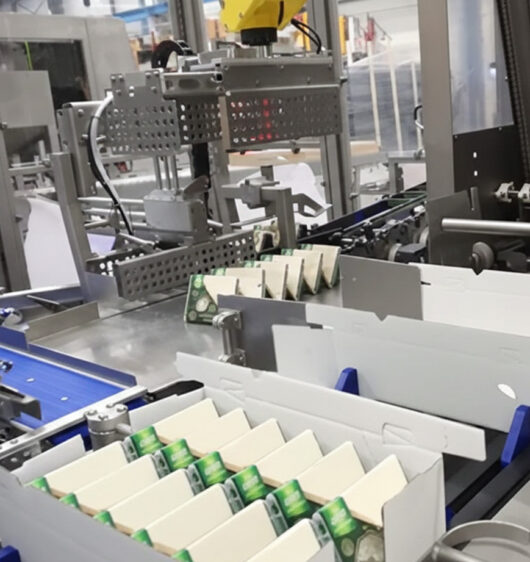
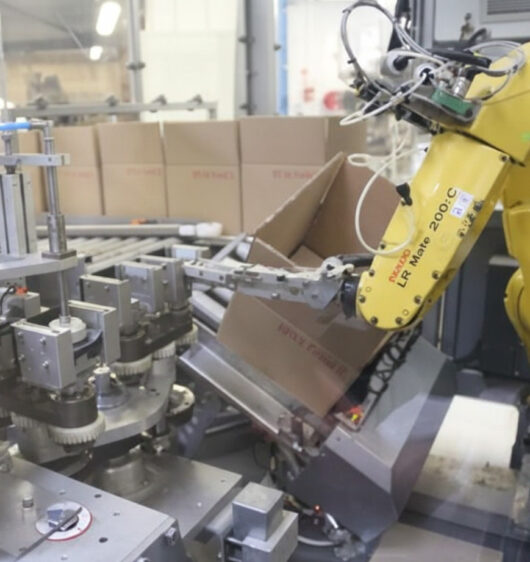
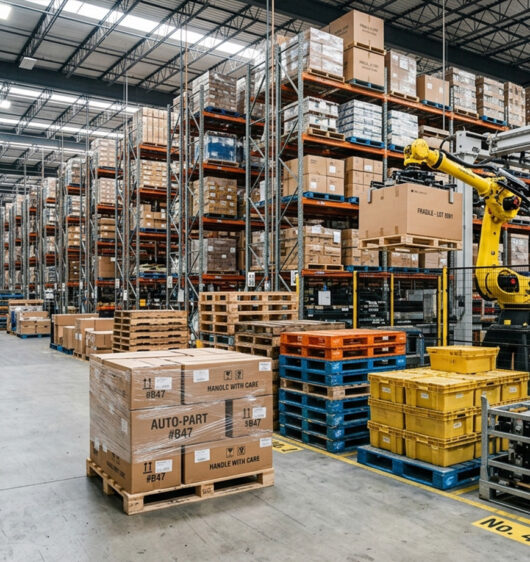
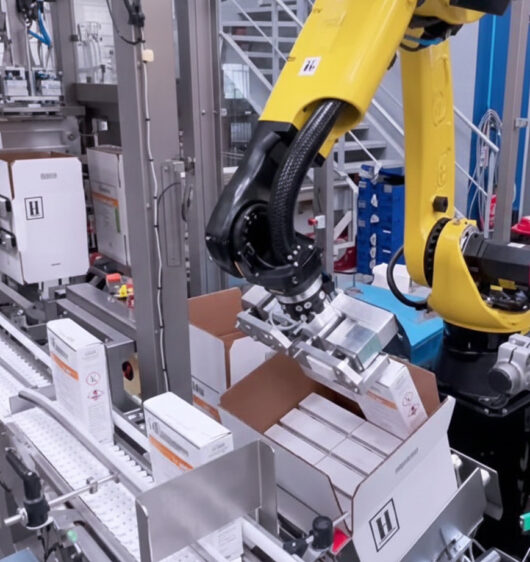
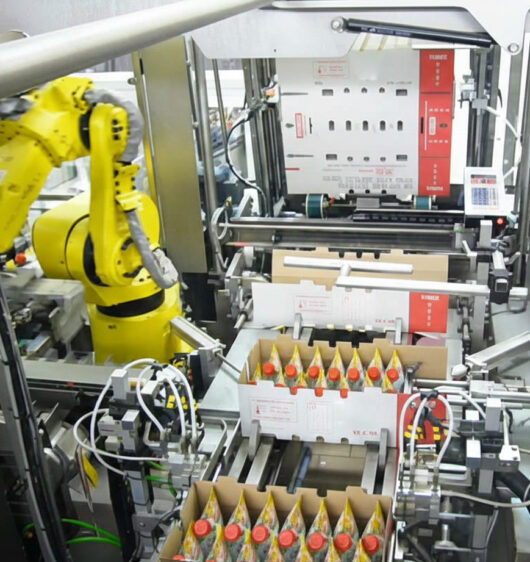
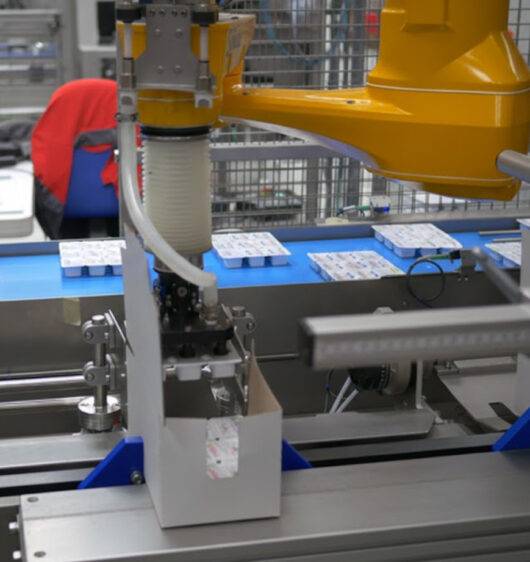
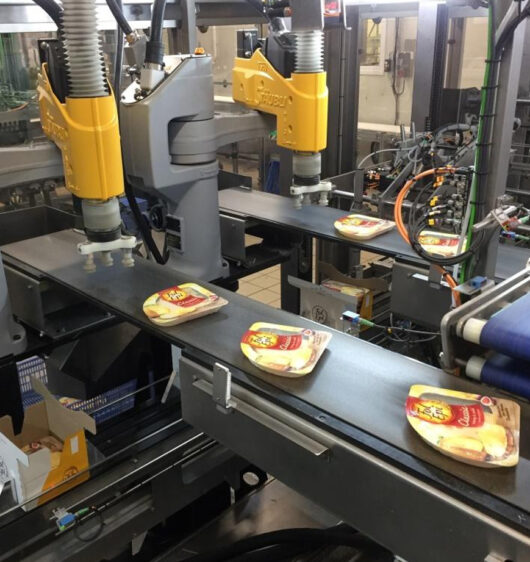
The pharmaceutical industry has specific packaging requirements, including traceability, serialisation and resistance to transport conditions. Automating the end of a packaging line for sterile pharmaceutical products therefore requires expertise both in robotic solutions and in the requirements governing these products.
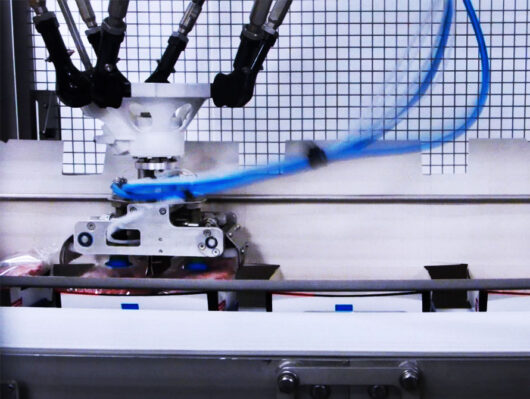
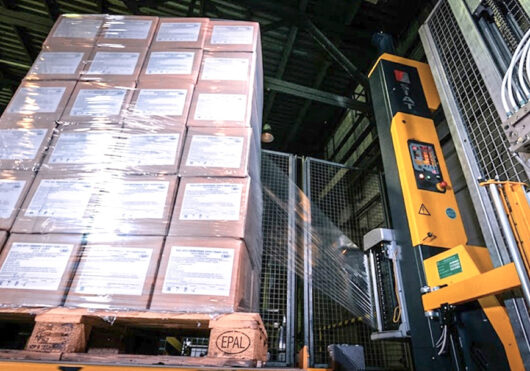
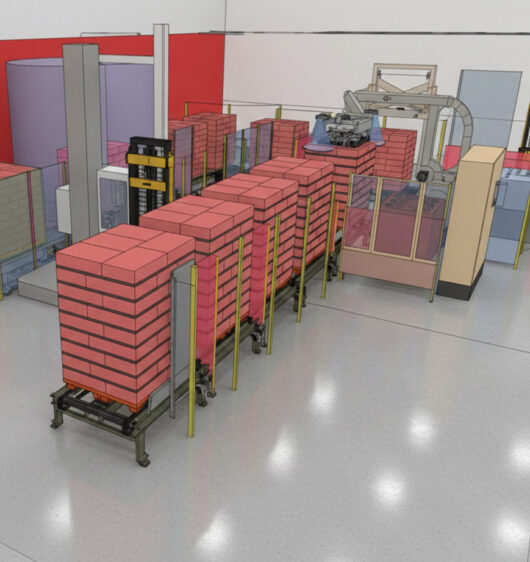
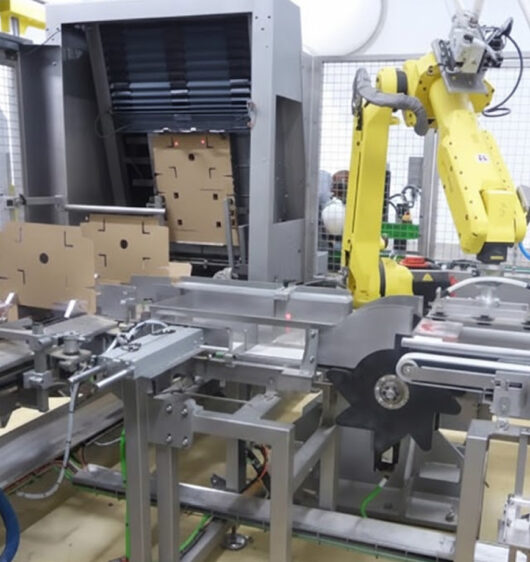
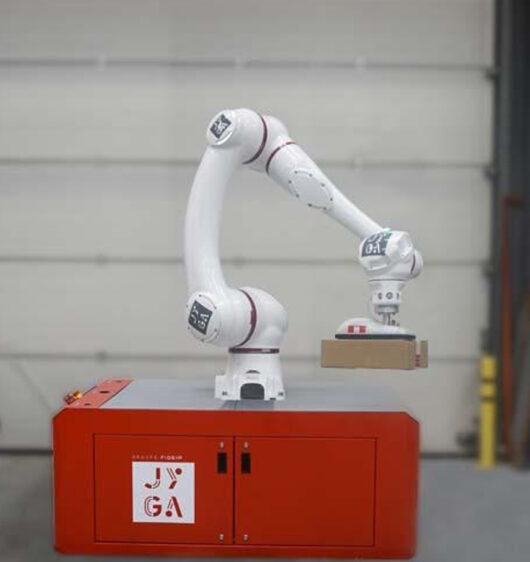
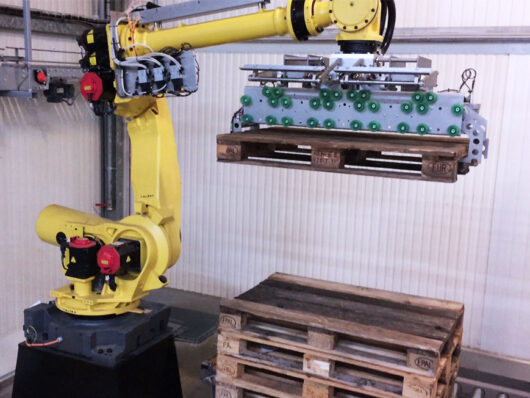
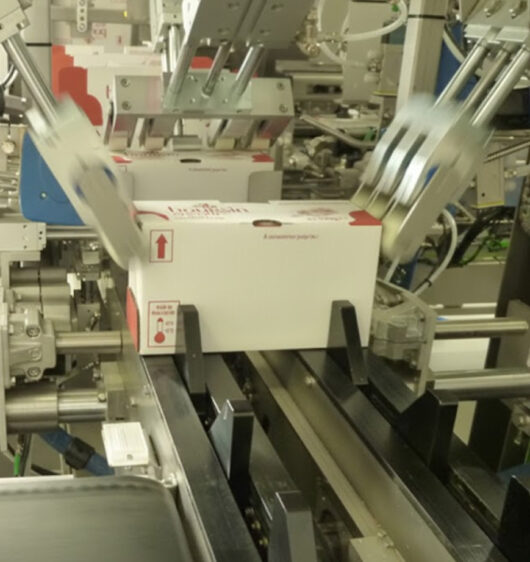
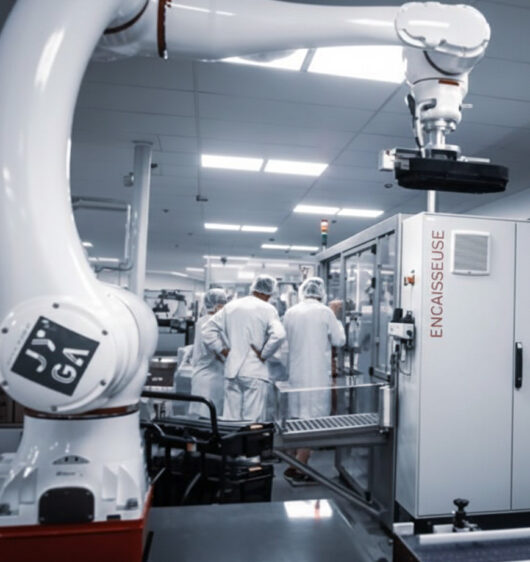
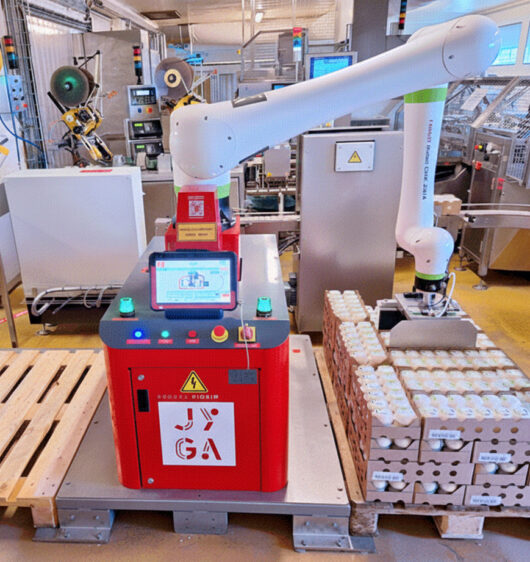
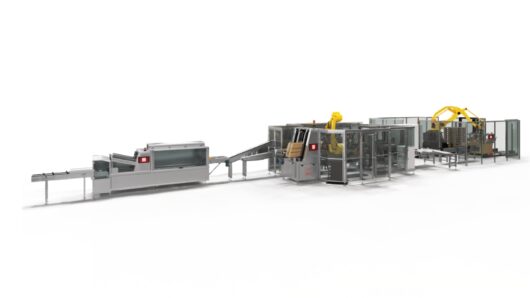
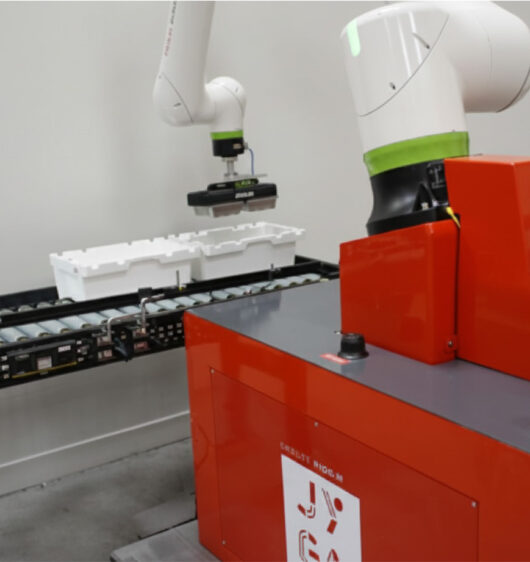
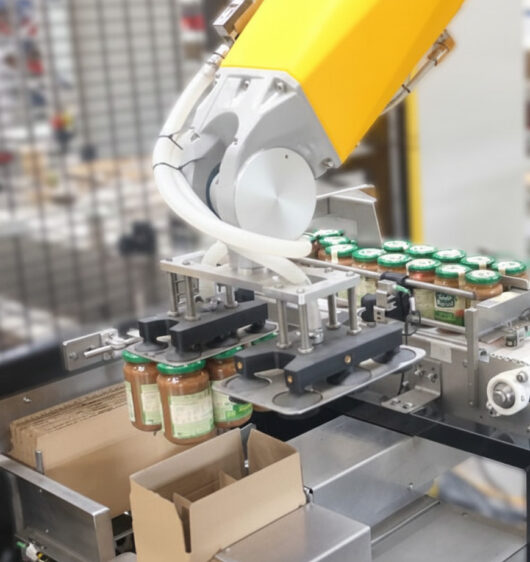
For pharmaceutical case packing and palletising, JYGA supports customers throughout the project, from feasibility studies and machine layout through to flow organisation and integration with existing equipment. Cartoners, wrap-around and top-load case packers, palletisers and other equipment can all form part of an automated solution for sterile pharmaceutical products. By considering the line as a whole, automation can support operators while improving precision, implementation speed, ergonomics and cost control. The machines are designed with accessibility and cleanliness in mind so that they can operate in sensitive production environments.
Aurélie DUPONTCase Packing Division Manager

Would you like to know more? Find everything you need to know here, and much more!