
Our automatic palletisers
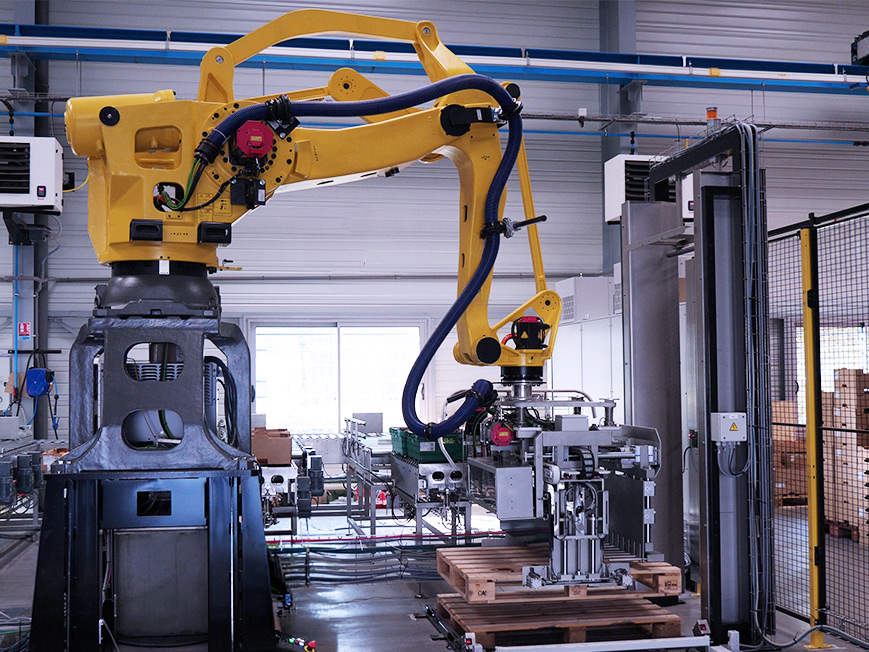
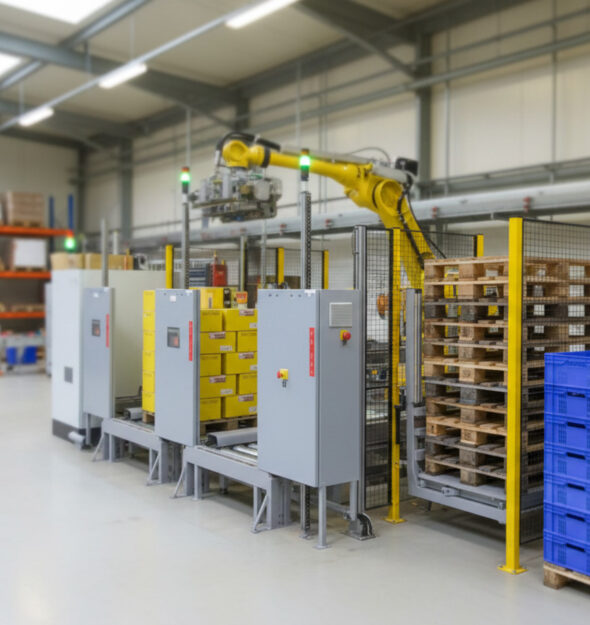
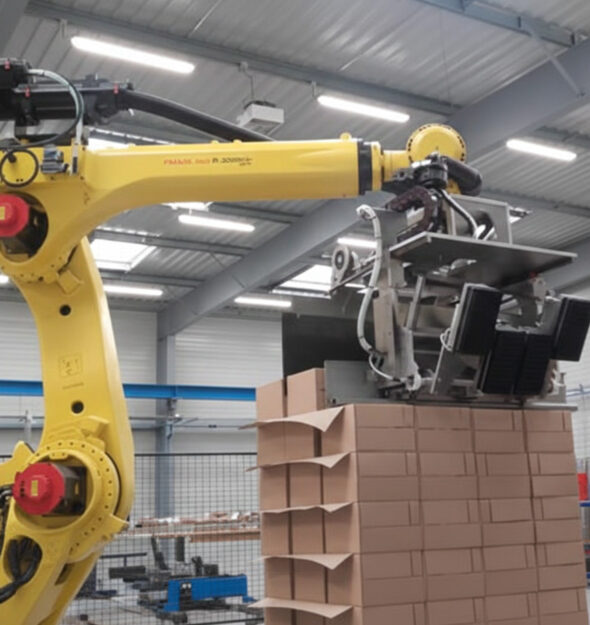
Our automatic palletising systems, based on articulated-arm robots, manage pallet positioning as well as product pick-and-place operations. JYGA offers several configurations to suit your production lines.
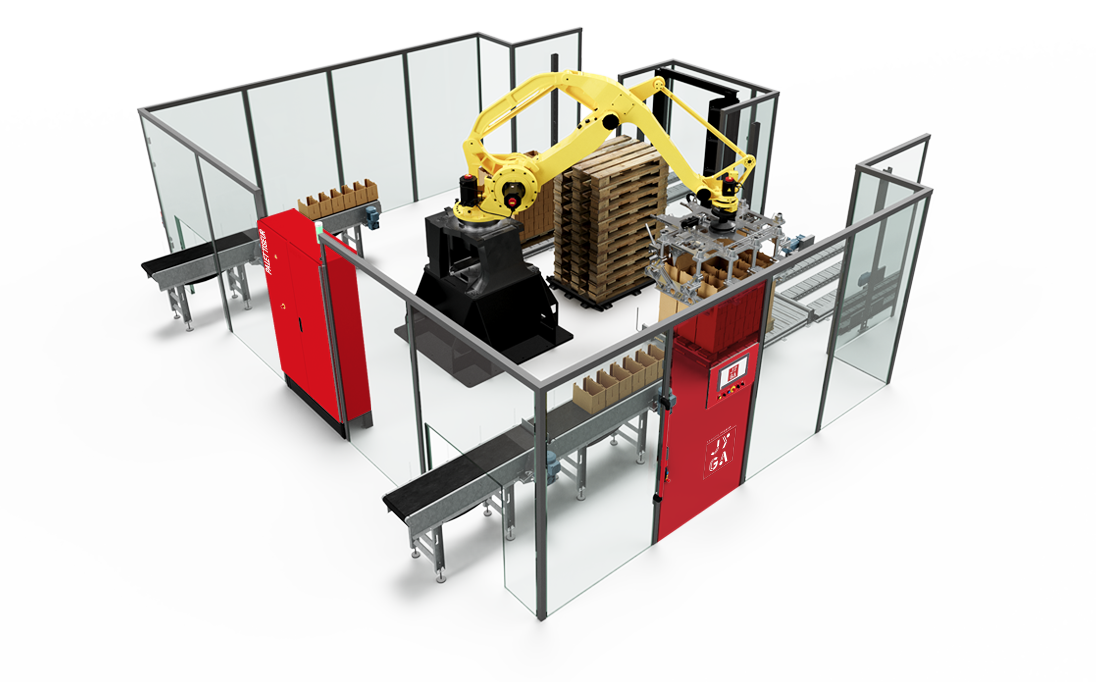
Industrial Palletisers
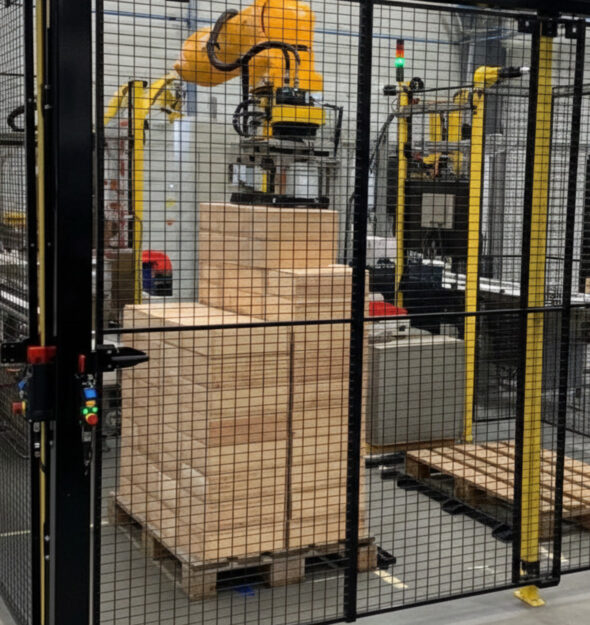
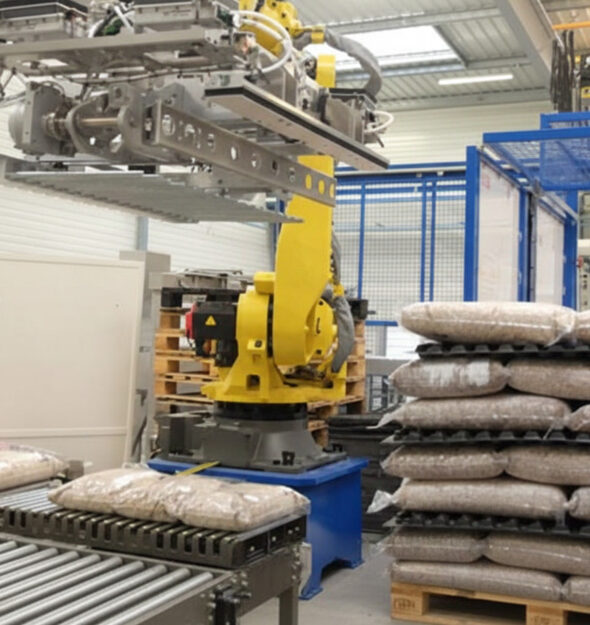
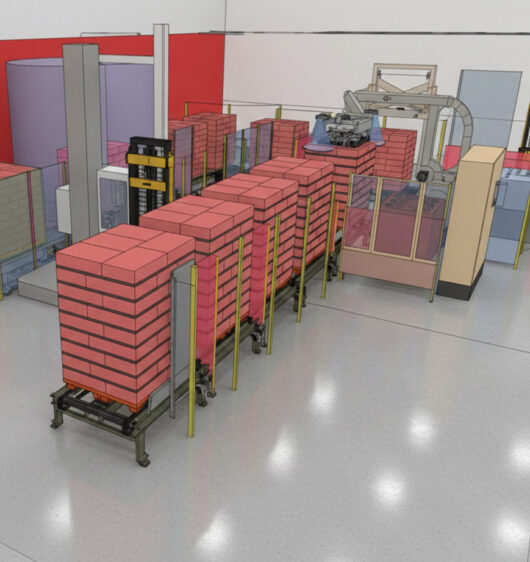
Automate your end-of-line operations with our industrial palletisers: compact cells or multi-line robotic palletising systems, designed to handle all your formats, including cases, cartons, bags and more. Productivity, operator safety and optimised pallet patterns: JYGA helps secure your shipments while reducing production costs.
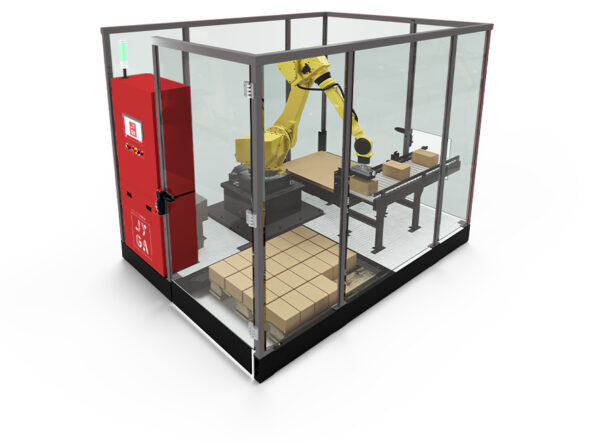
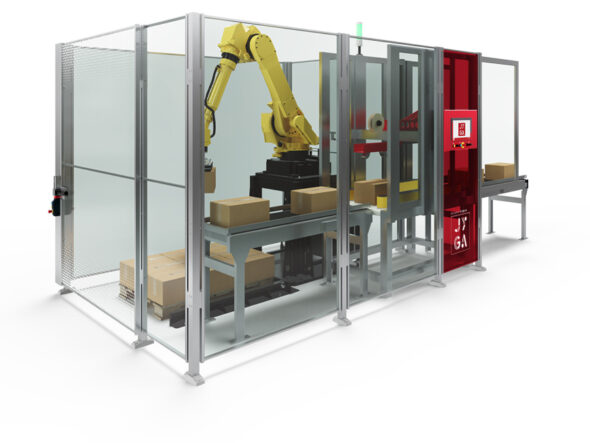
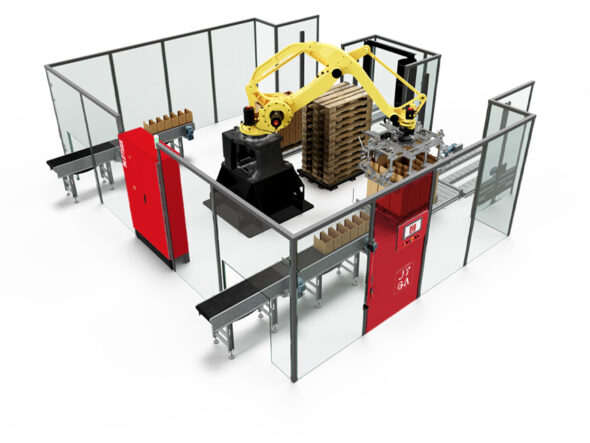
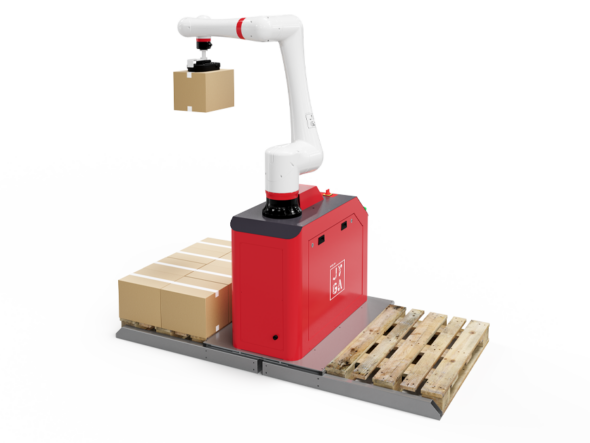
Cobot Palletisers
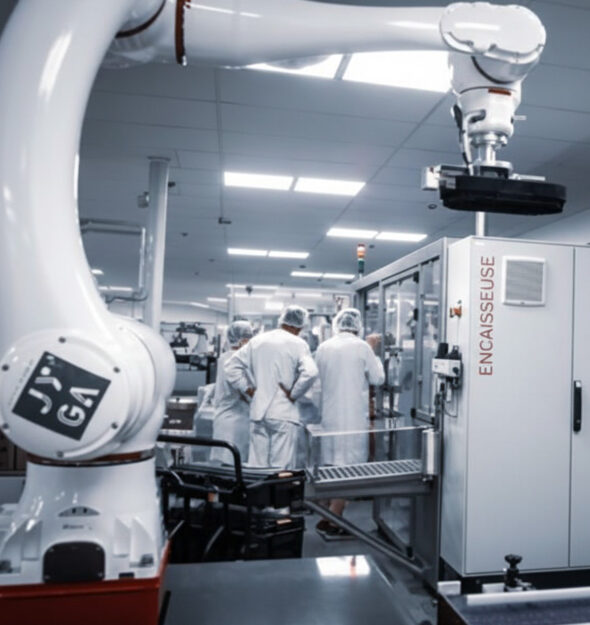
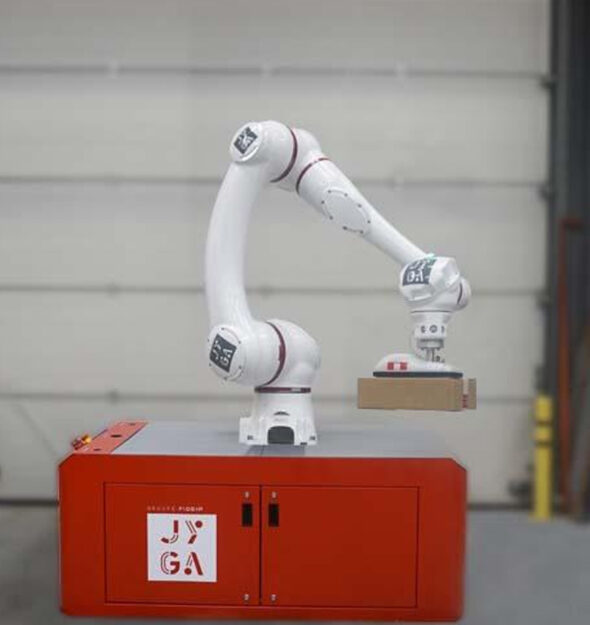
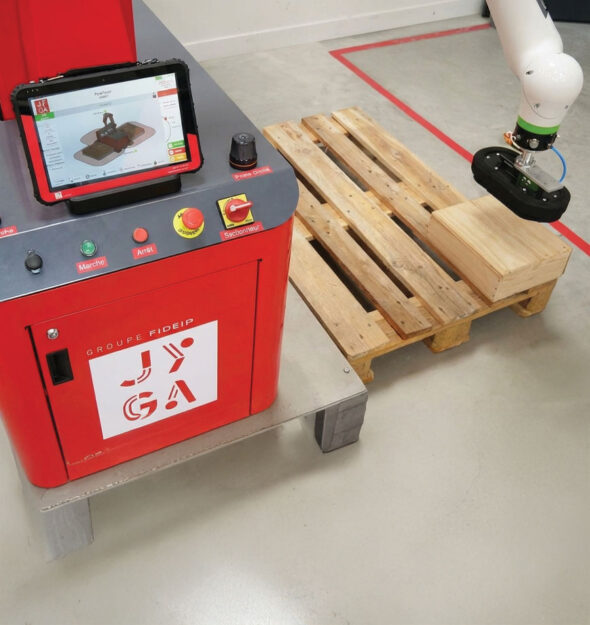
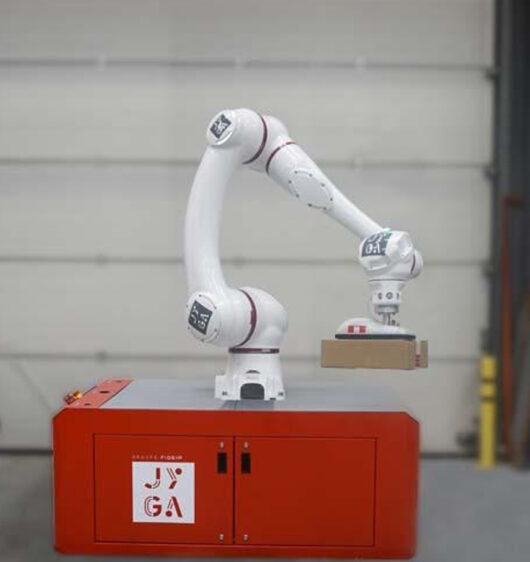
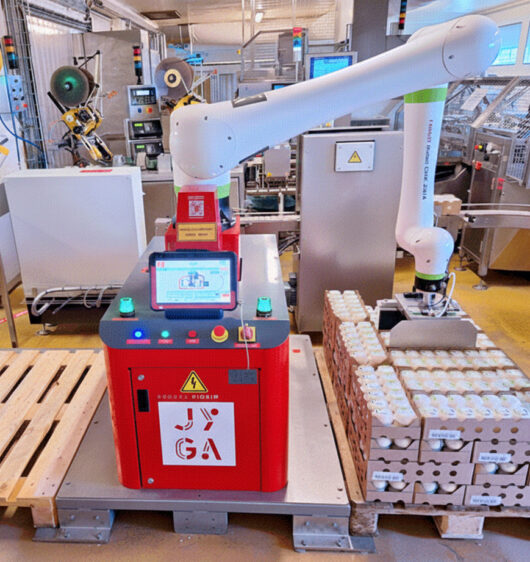
Cobot palletisers provide a safe way to automate palletising in areas with limited floor space. Easy to integrate and reprogramme, these palletising cobots adapt to your formats and throughput requirements, helping you improve productivity without overcomplicating the production area.
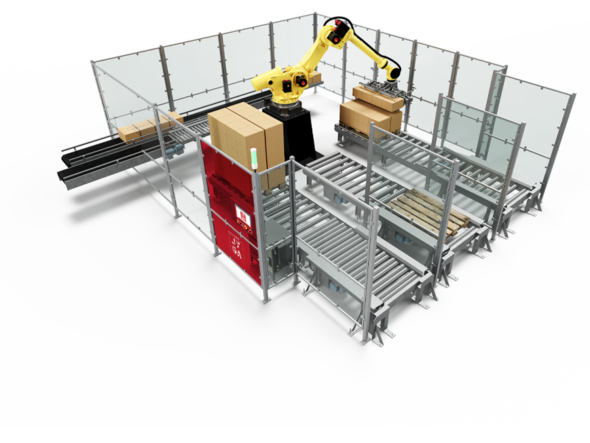
Depalletisers
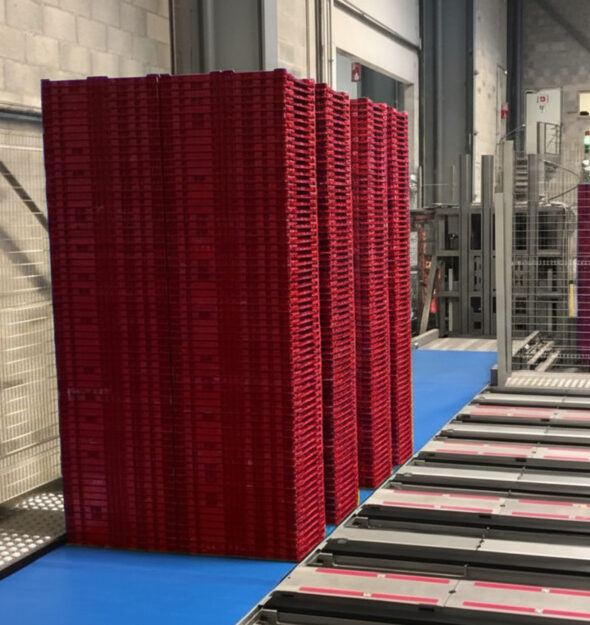
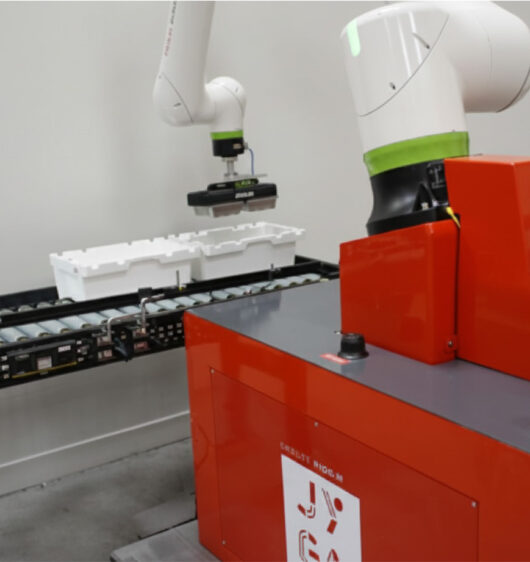
Depalletisers automate product depalletising at line infeed, helping to keep operators safe. Ergonomic and robust, they speed up your flows, reduce manual handling and secure the continuous feeding of your packaging lines.
JYGA, your partner foryour packaging projects
Needmore information?
Our sales teamis here to help!
Palletising Pattern
Software
Designed for production teams, JY’TOOL palletising pattern software simplifies the creation and editing of your pallet patterns. In just a few clicks, you can visualise your layouts, adjust layers, test different stacking patterns and secure pallet stability before production even starts.
Designed to support your palletisers and palletising robots, JY’TOOL makes format changeovers easier, reduces adjustment times and gives operators greater autonomy, while optimising the pallet fill rate and the logistics cost of each pallet.
Our gripping
solutions
- Clamp gripper
- Fork gripper
- Vacuum plate gripper
- Sliding curtain gripper
They trust us
















What our customers say

Agri-food
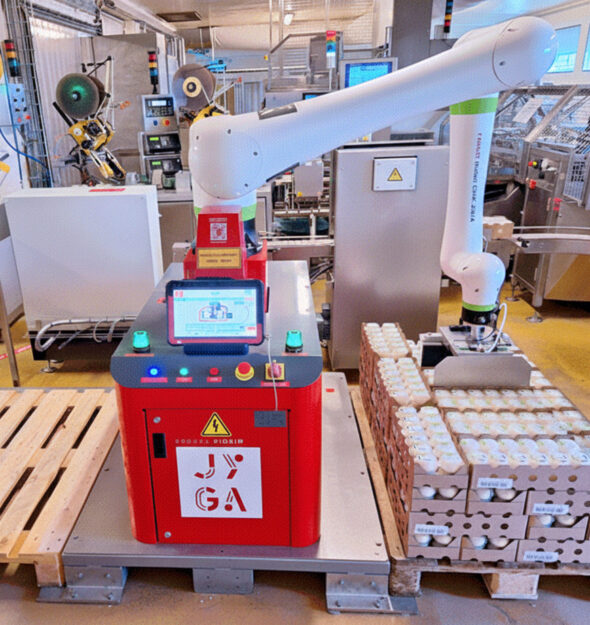
Cobot Palletizer for Open Trays
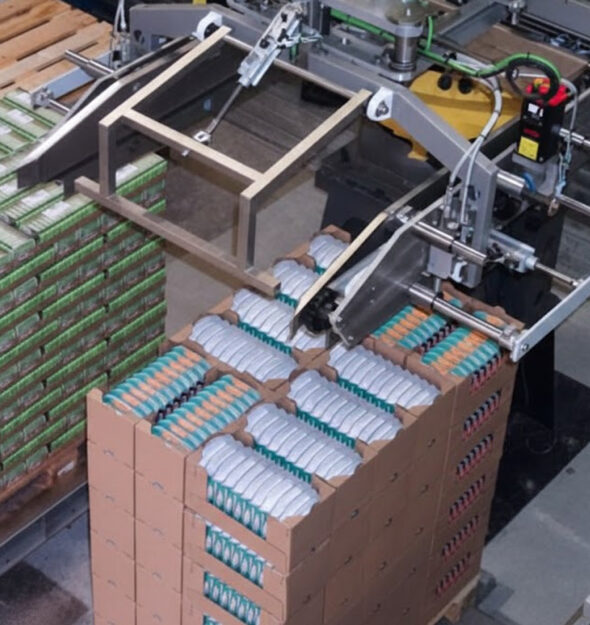
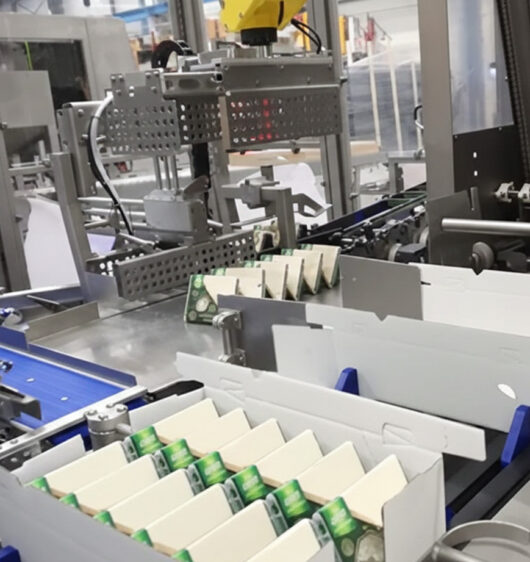
JYGA installed a Pal’it Air collaborative palletizer for open trays of goat cheese at a family-owned dairy. Empty pallets are placed by the operator at two floor positions. At the case-packing outfeed, labelled packs are stacked if required and then conveyed to the cobot. Using its dedicated gripper, Pal’it Air picks the packs and places them on the pallet according to the pattern defined in JY’TOOL software. The cobot alternates between the two stations, significantly reducing physical strain while producing consistent, stable pallets.
Our latest palletising
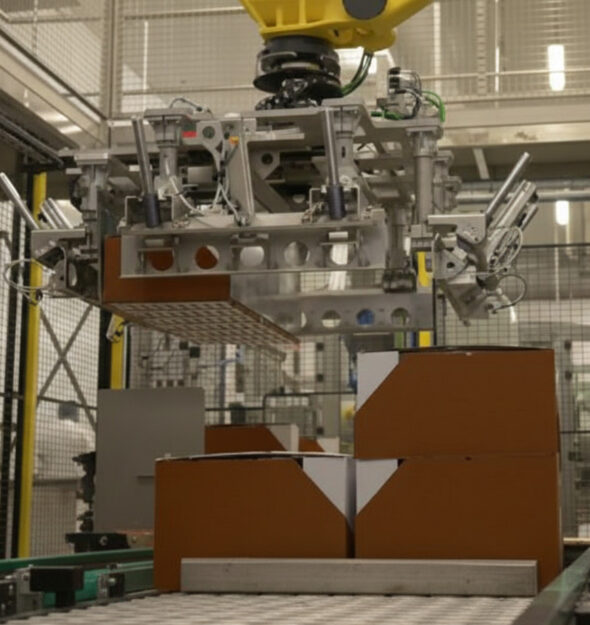
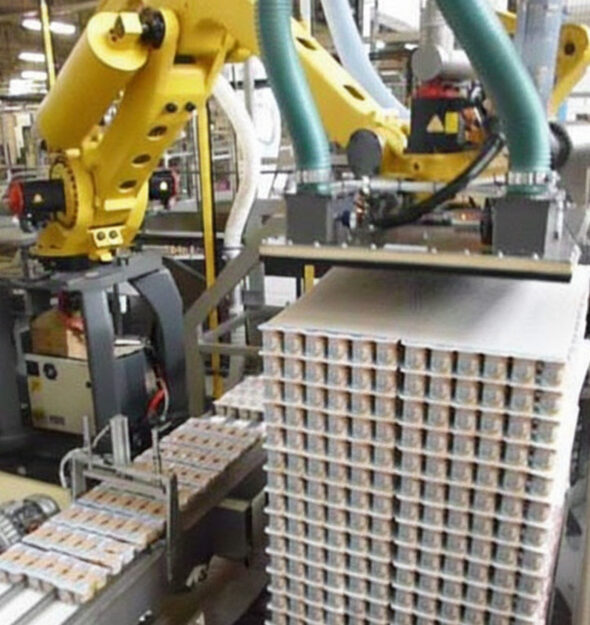
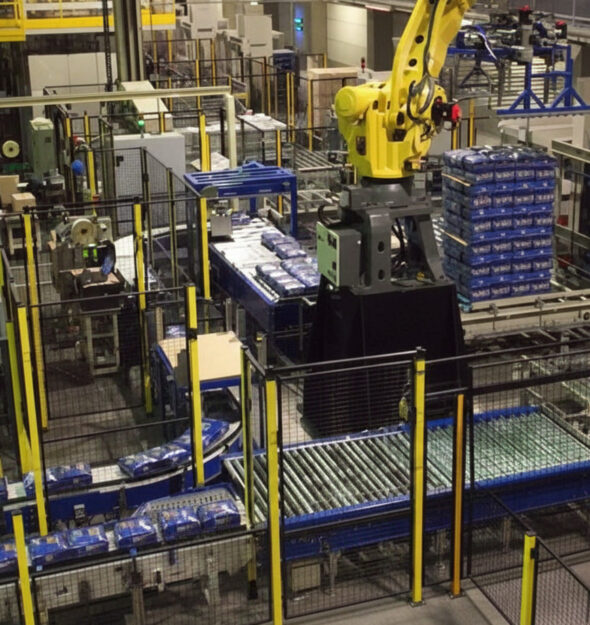
case studies

Our Method
01
Pre-sale
02
Order
03
Delivery and Installation
04
Commissioning
05
Final Acceptance
01- sales
Pre-sales
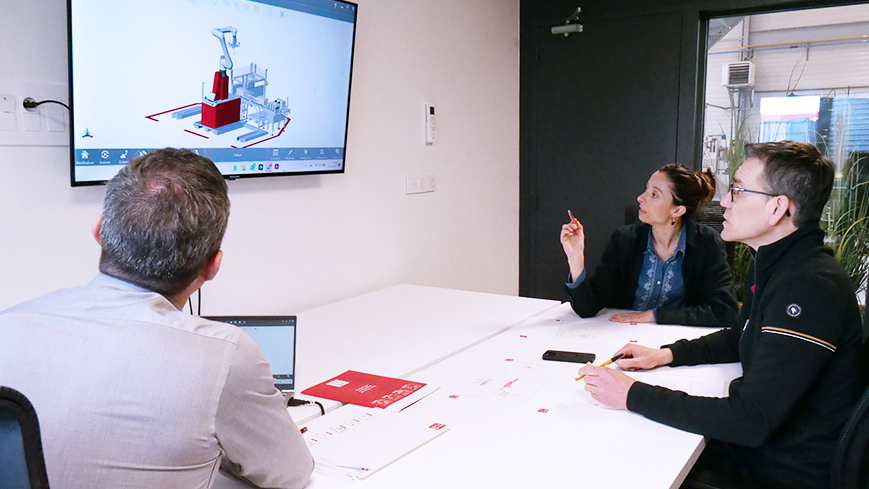
Everything starts with a clear, practical discussion: throughput targets, case formats, packaging types, layout constraints, expected safety level, and more. JYGA helps you identify the most suitable solution and prepares a detailed, well-supported proposal. You move forward with a clear view of the expected outcome, target performance levels, and return on investment.
02- order
Kickoff meeting at the customer site
The kickoff meeting sets the project framework from the start: throughput targets, formats, cases and packaging to be handled, layout constraints, and performance expectations. JYGA reviews the schedule with you, validates the interfaces with your existing equipment, and identifies the key points to secure in order to ensure a smooth deployment and compliant results.
02- order
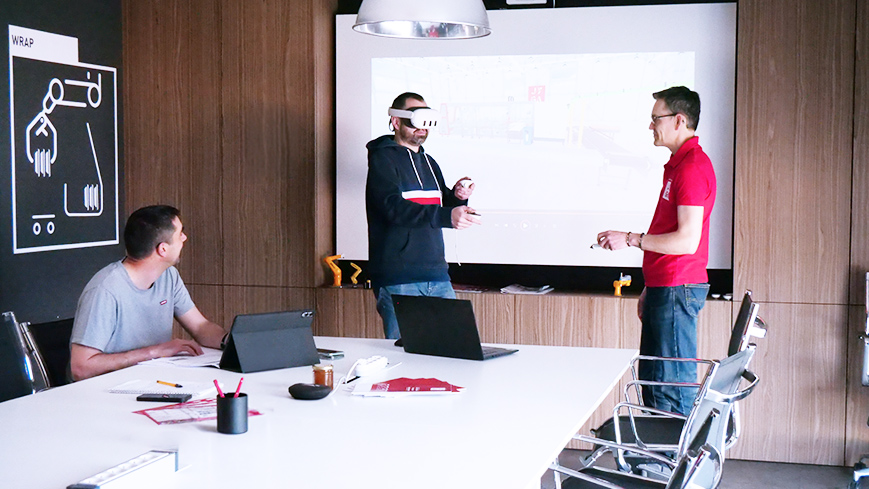
Virtual reality design review at JYGA
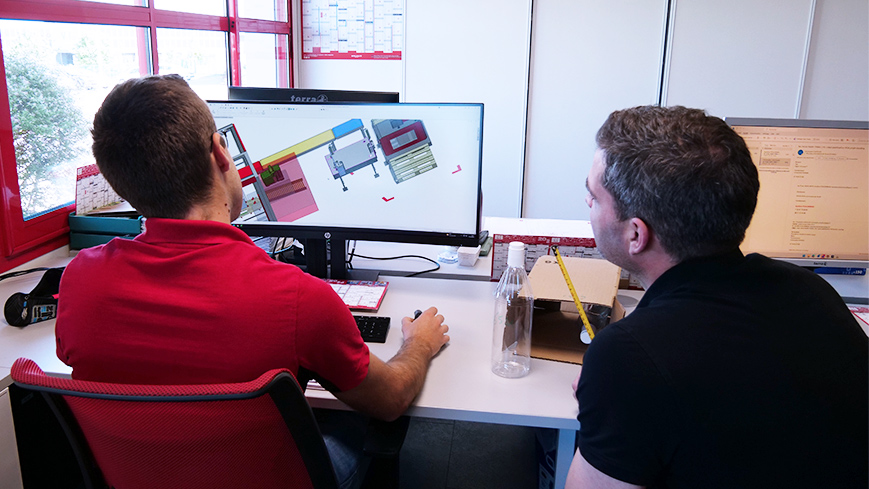
The virtual reality design review allows you to validate the layout before manufacturing and installation. Based on a 3D model, you can visualize the entire system: footprint, operator access, maintenance areas, interfaces with existing equipment, and the flow of cases and packaging. This step helps secure the integration and confirms that the solution meets your production and safety constraints.
02- order
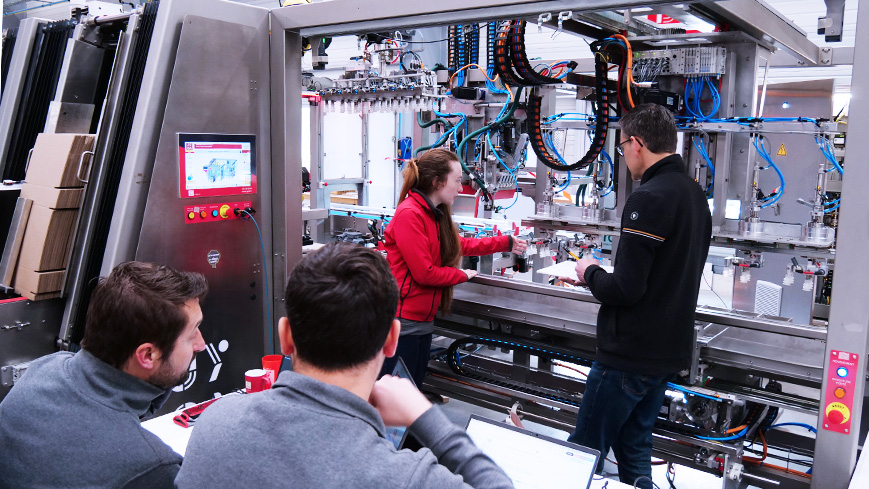
Factory Acceptance Test at JYGA
Before shipment, we carry out a Factory Acceptance Test (FAT) at JYGA to check the overall operation of the system. The tests reproduce your production conditions: product picking, format changeovers, closure quality and case integrity, and the consistency of packaging flows. This step reduces risks during installation and speeds up ramp-up at your site.
03- delivery and installation
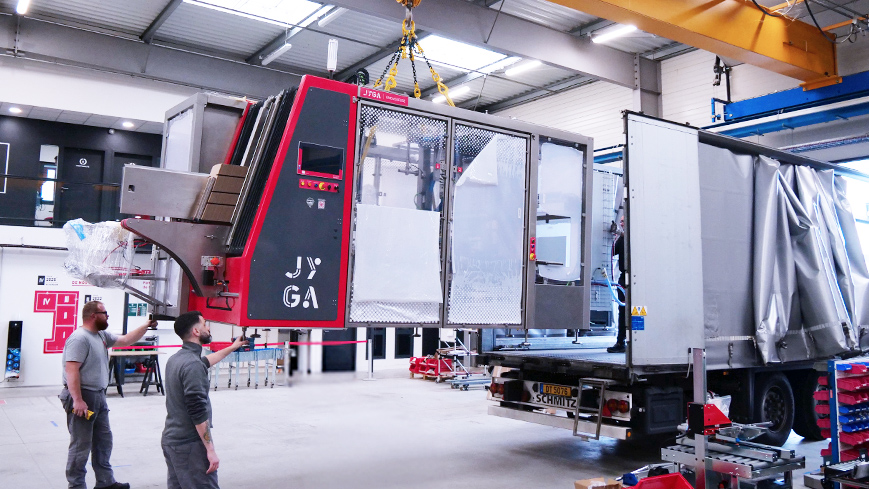
Delivery and installation
We handle delivery and on-site installation while taking your production constraints into account. JYGA’s teams coordinate equipment setup, connections, and integration into your existing environment. Each step is designed to minimize production downtime and deliver a smooth, uninterrupted end-of-line packaging solution.
04- commissioning
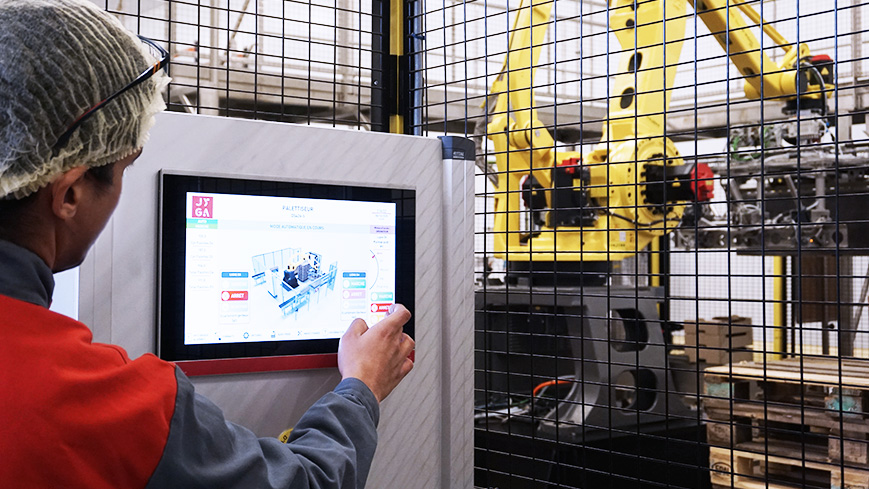
Site Acceptance Test in your facility (SAT)
The Site Acceptance Test (SAT) confirms that your solution reaches the expected performance levels under real production conditions. We validate throughput, repeatability, closure quality and case integrity, as well as the continuity of packaging flows through to shipping. This step secures startup, reduces production uncertainties, and ensures a solution that meets your standards.
04- commissioning
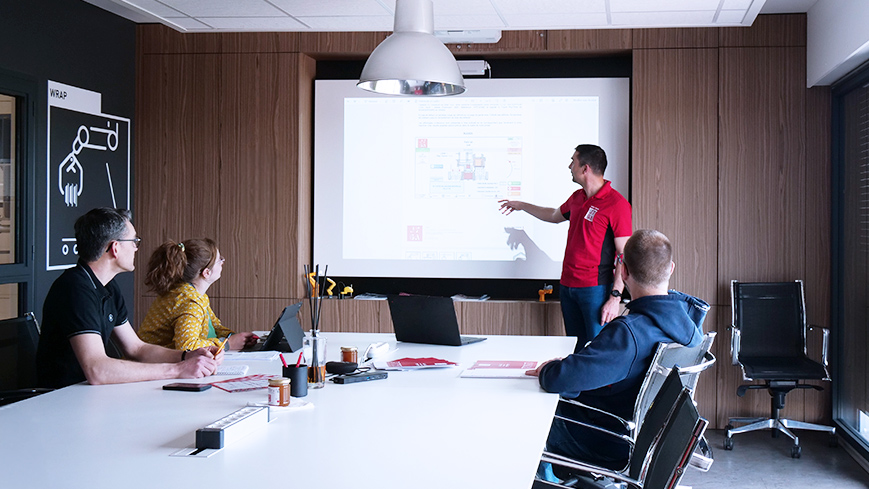
Staff training
JYGA trains your operators and technicians so they can operate the system independently. Settings, format changeovers, quality checks, best practices, and basic maintenance are all covered to keep the equipment stable and efficient. The goal is simple: preserve case and packaging quality, save time in daily operations, and support long-term production performance.
05- final acceptance
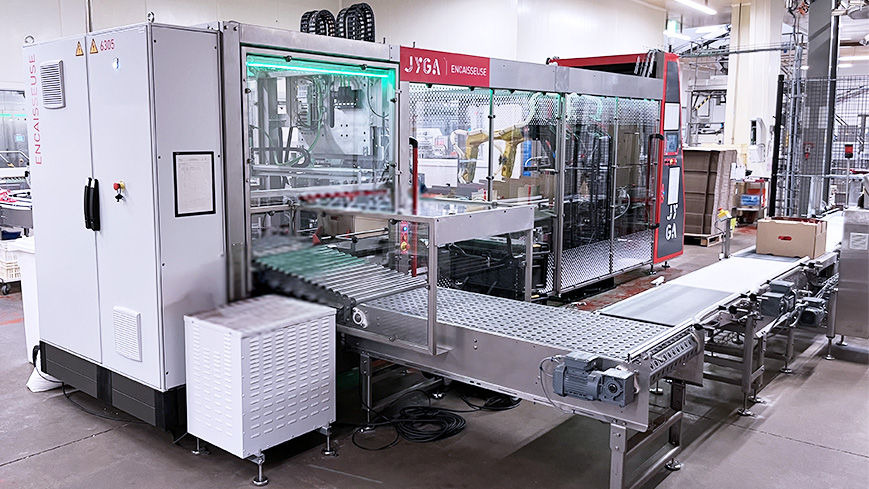
Final acceptance
Once the objectives have been reached, final acceptance formally confirms that the installation meets the required specifications. Performance, safety, and operation are validated together. JYGA remains by your side after production startup, with long-term support and follow-up solutions to help maintain the performance of your installation and adapt your equipment if your needs evolve.
Visit our showroom
Come visit our showroom and talk with our specialists. On site, we will present solutions tailored to your end-of-line packaging projects.
7 Rue Edouard Branly, 49280 La Séguinière, France
Monday to Friday, 8:00 AM to 5:30 PM
How to prepare your palletising project
I have several formats and product references: can automatic palletising remain easy to operate ?
Yes. The solution is designed around your palletising patterns, including layer layouts, product orientations and alternating patterns, as well as your format changeovers. Depending on your requirements, JYGA enables several pallet programmes to be managed, making it easy for operators to switch from one product reference to another. The aim is to maintain flexibility without making production more complex, while ensuring consistent pallet quality.
Pallet stability and transport performance are critical: how can they be secured ?
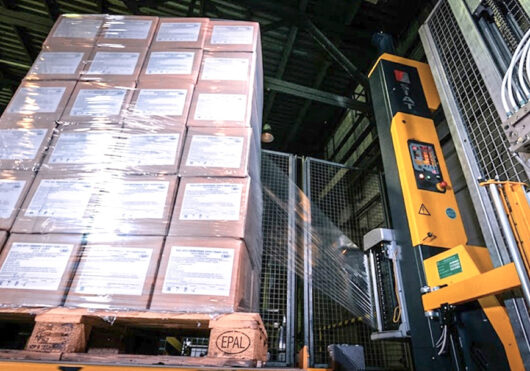
Stability starts with the palletising pattern: package orientation, layer layout, interlocking, support points and weight distribution. Depending on your constraints, JYGA can integrate options such as layer pad placement, pallet collar management and end-of-line stabilisation equipment, including stretch wrapping, hooding or strapping, to ensure a robust, consistent pallet that meets your logistics requirements.
What are the advantages of an automatic palletiser for your business ?
Installing an automatic palletiser significantly reduces manual handling at the end of the line and helps lower the risk of musculoskeletal disorders for operators. By automating palletising, you increase throughput, standardise pallet quality and limit product damage during transport. A JYGA industrial palletiser therefore improves safety, productivity and shipment consistency, while optimising the overall cost of your end-of-line packaging system.
Limited end-of-line space: how can an automatic palletiser be integrated ?
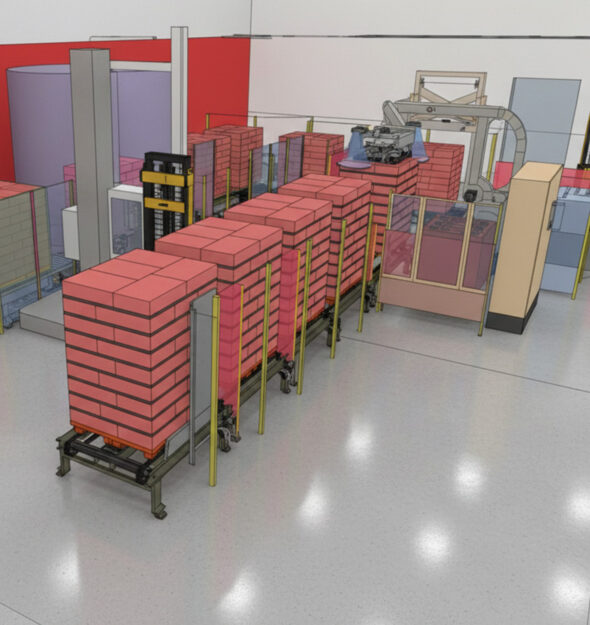
Limited floor space in the production area does not prevent automatic palletising from being implemented. JYGA offers compact palletising cells and cobot palletisers designed to be integrated as close as possible to the line, even where depth or width is limited. Our teams carry out a bespoke layout study to optimise the palletiser orientation, conveyor layout, pallet discharge area and operator access. By combining mechanical compactness, the right safety equipment and a suitable flow organisation, it is possible to automate a palletising station despite significant space constraints, while improving productivity and working comfort.
Learn more about palletising
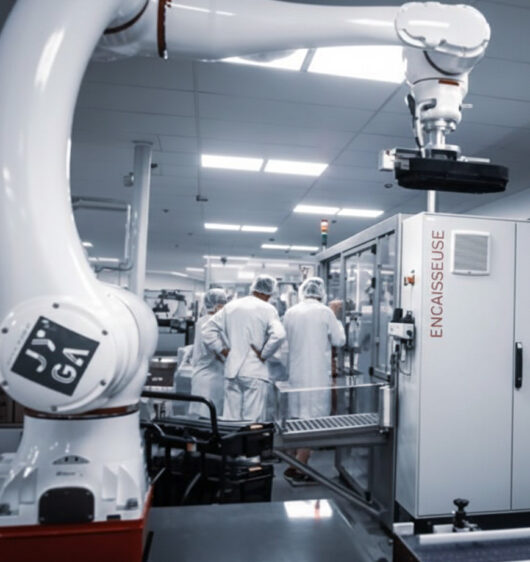
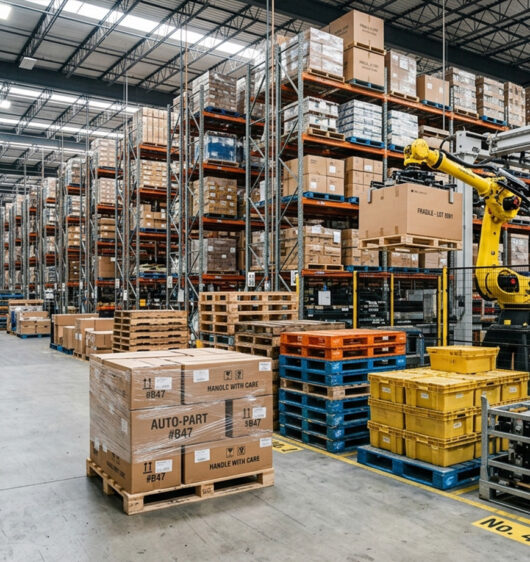
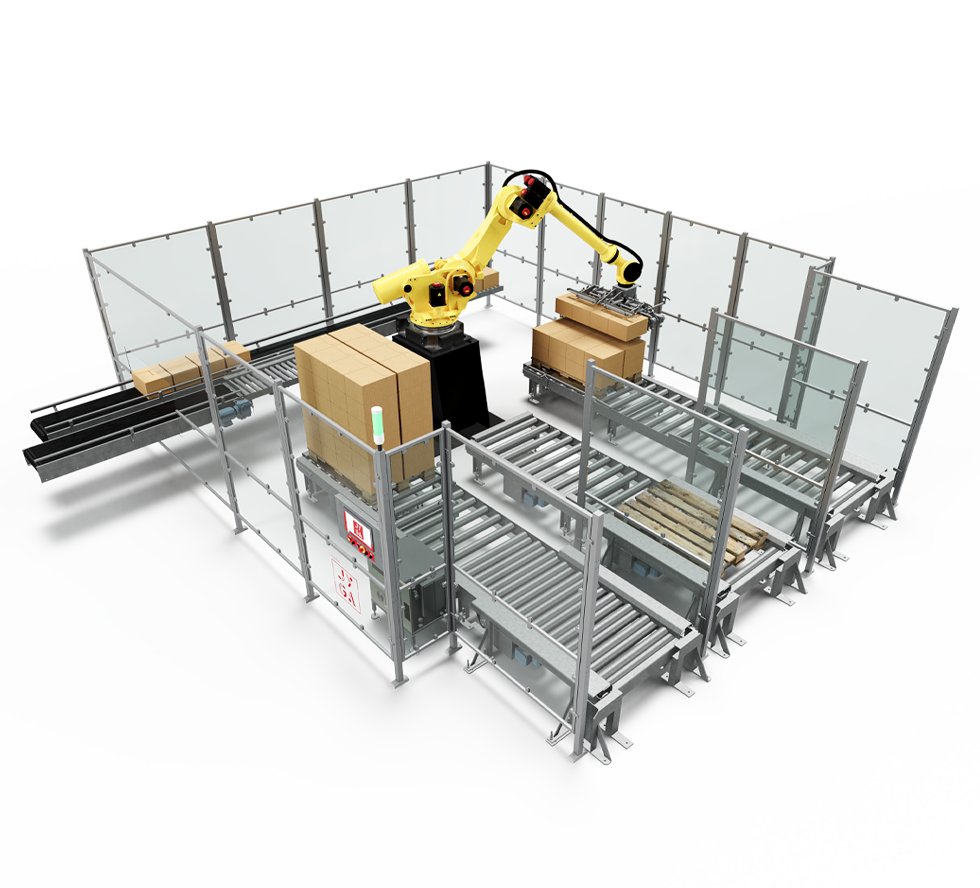
Industrial palletising
Definition of palletising
Palletising refers to the arrangement of products on a pallet according to a precise pattern. Its purpose is to stabilise the load, optimise truck and storage space utilisation, and facilitate mechanical handling. When automated, palletising helps reduce product damage, streamline logistics flows and improve the overall performance of the packaging line.
The role of an industrial palletiser
To achieve this level of consistency, production sites rely on industrial palletisers. These automatic or robotic systems stack cartons, cases, bags or totes at the end of the line and replace manual pallet loading, which is often physically demanding and repetitive for operators. Designed to integrate into the production environment, JYGA palletisers adapt to packaging formats, throughput requirements and layout constraints in order to reduce strain at palletising stations and improve shipment reliability.
How a robotic palletiser works
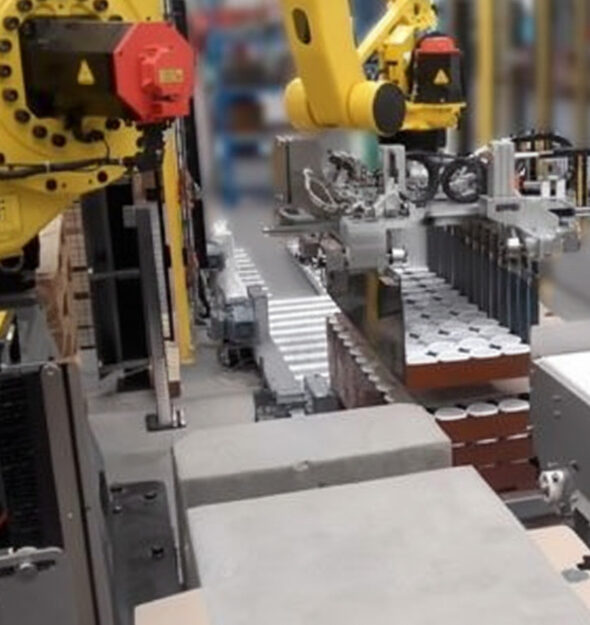
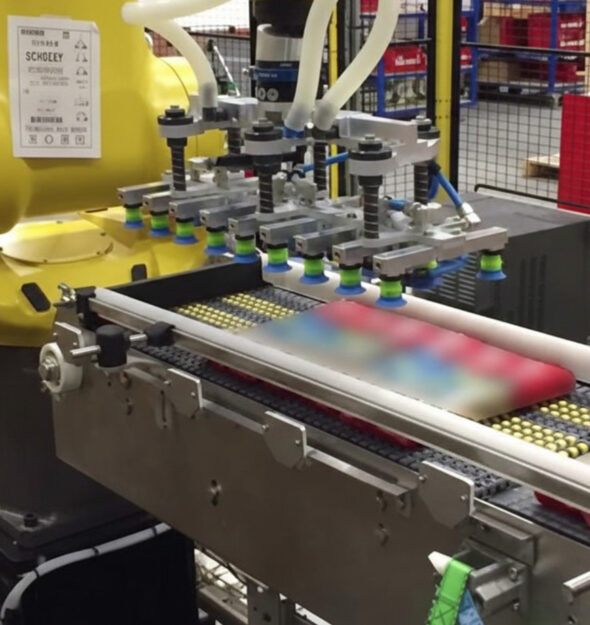
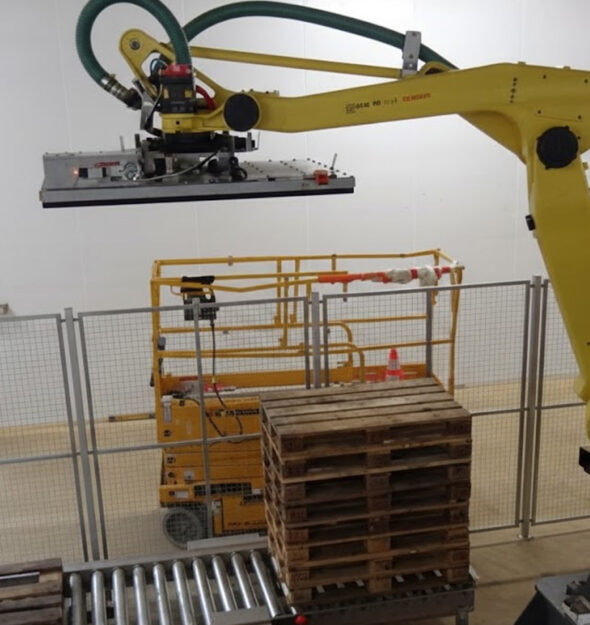
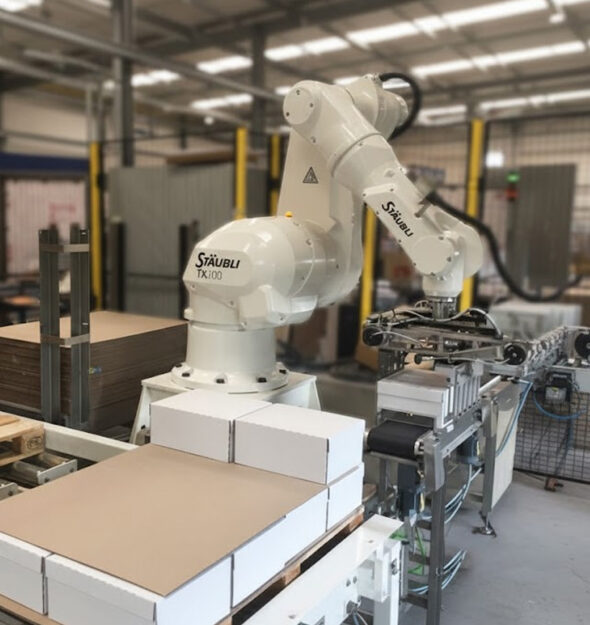
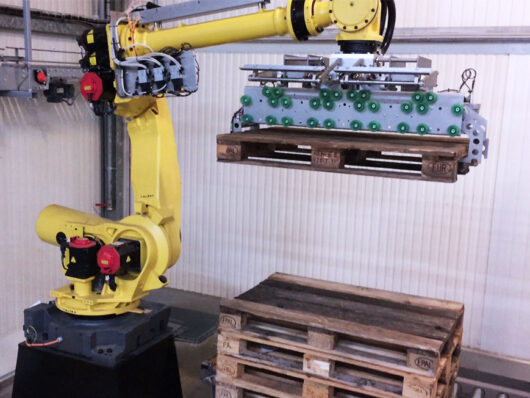
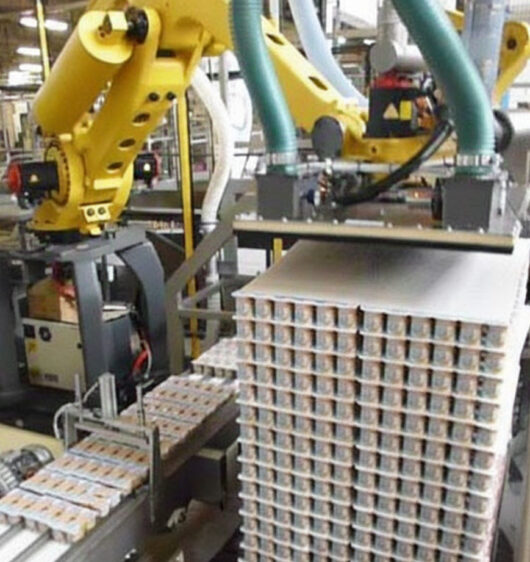
In many projects, this role is performed by a robotic palletiser. The robot automatically picks products at the line outfeed and places them on the pallet according to a pre-programmed palletising pattern. Equipped with an end-of-arm tool suited to your packaging, such as a clamp gripper, plate gripper or vacuum cups, the robotic arm builds the layers one by one to create compact, stable pallets ready for wrapping. This method of automatic palletising provides flexibility, including format changeovers and pallet pattern updates, as well as consistent operation. JYGA’s teams support your palletising project from the analysis of your flows through to on-site commissioning, helping secure the transition to end-of-line automation.