
Our automatic case packers
Since 1992, JYGA has designed, manufactured and integrated automatic case packers to automate product case packing at the end of the line.
Depending on your products, formats, throughput requirements and layout constraints, we guide you towards the most suitable solution: wrap-around case packer, top-load case packer or side-load case packer. Each project is studied to ensure case forming, product loading, case closing and discharge under the right conditions.
The aim is to make your packaging process more reliable, reduce manual handling, produce well-formed and correctly filled cases, and simplify format changeovers. Do you have an automatic case packing project or an existing line to upgrade? Let’s discuss your products, cases and throughput constraints.
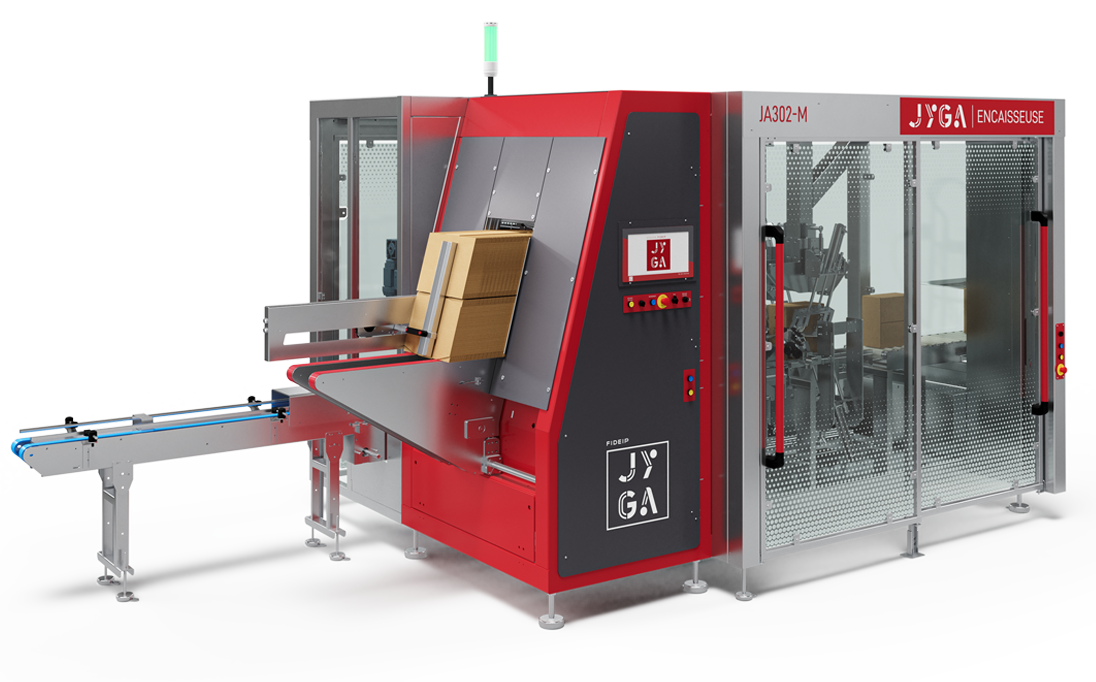
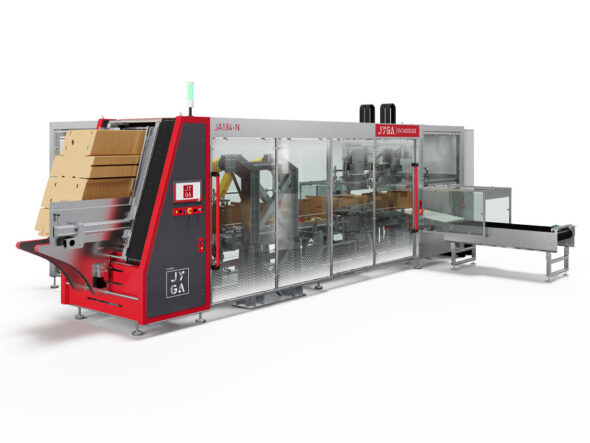
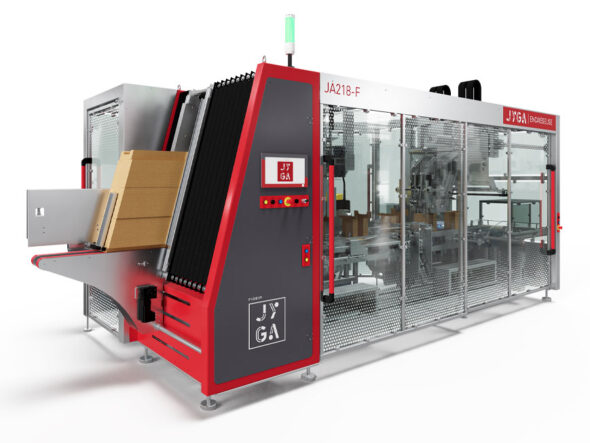
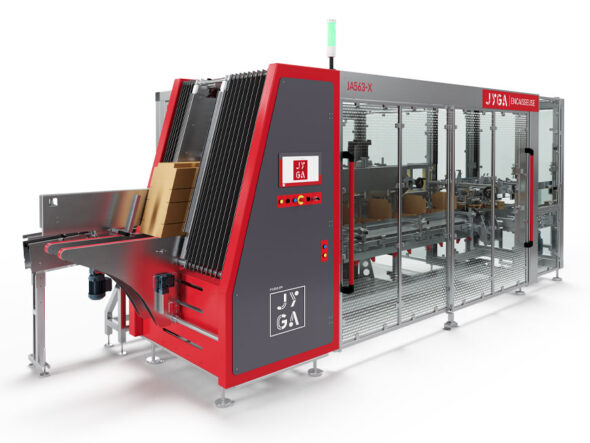
Wrap-Around Case Packers
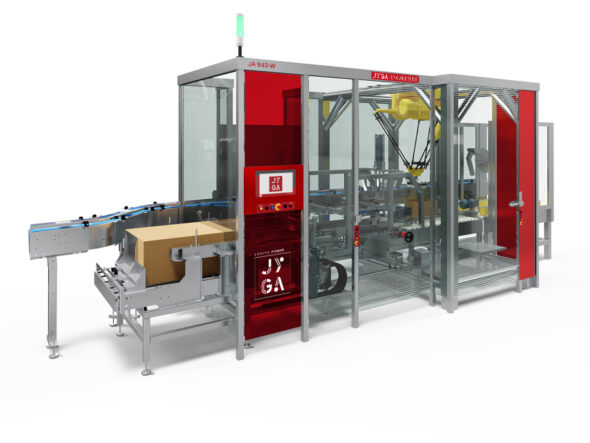
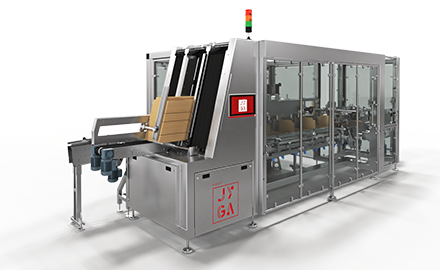
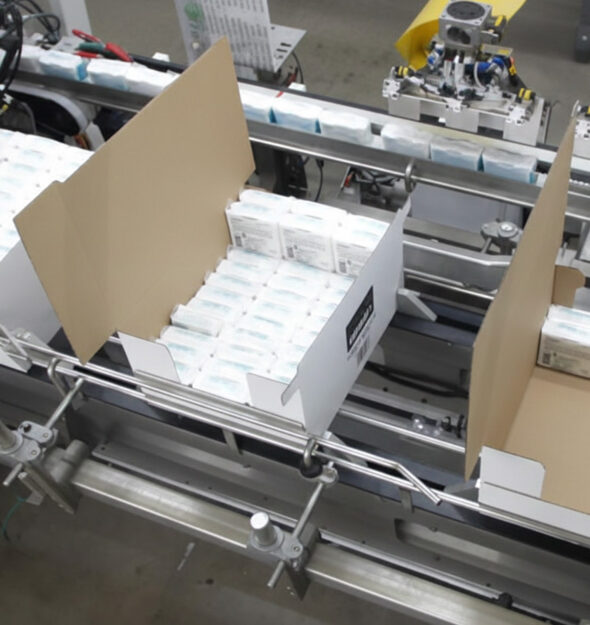
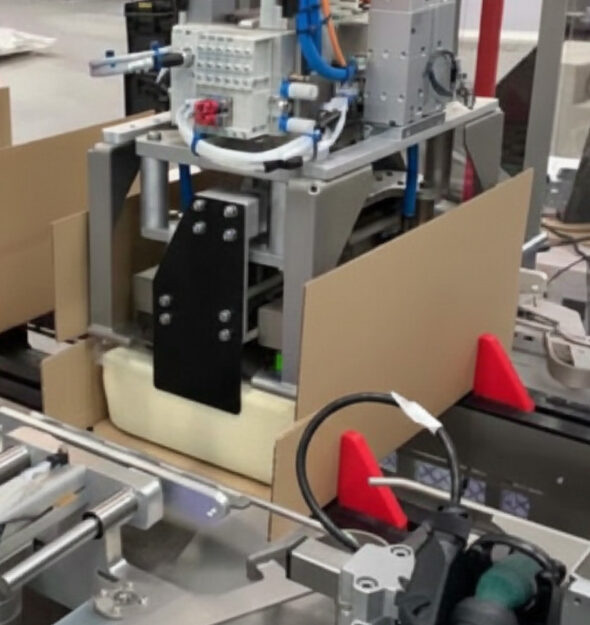
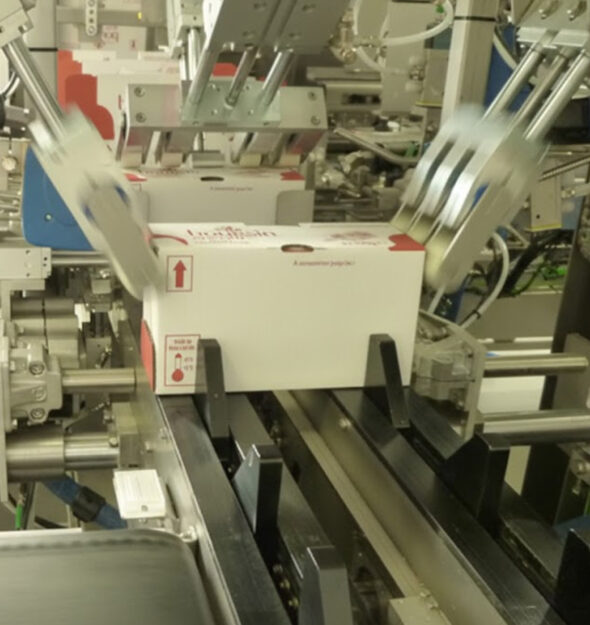
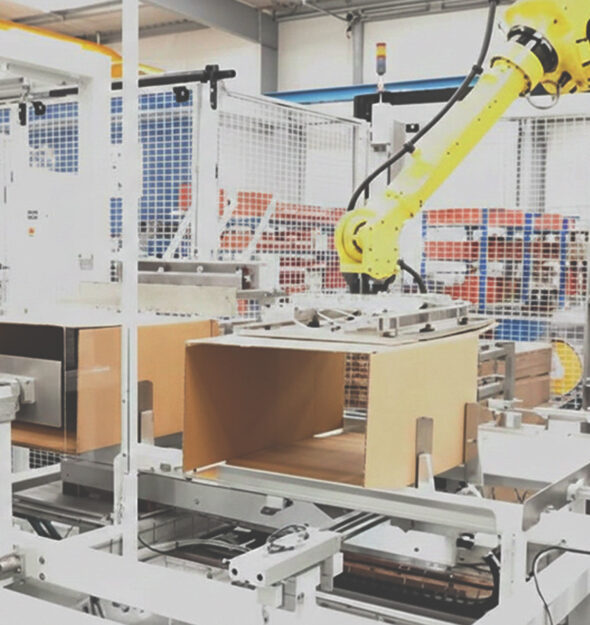
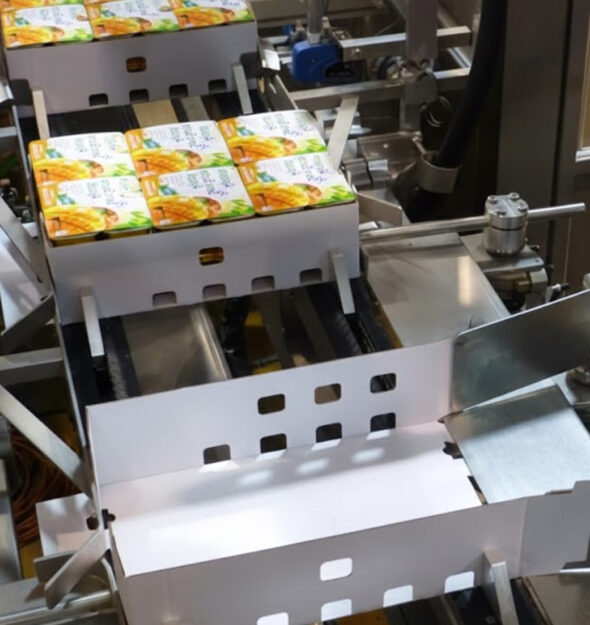
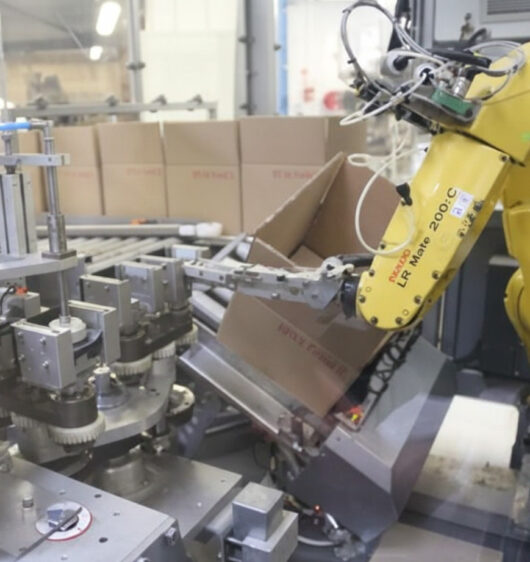
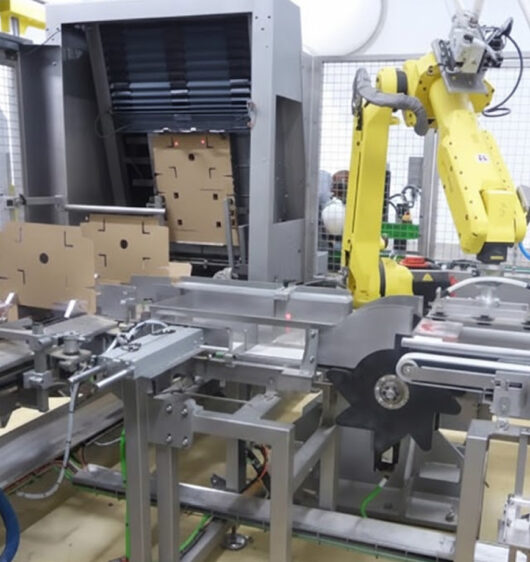
JYGA wrap-around case packers automate product case packing from a flat cardboard blank: case forming, product loading, adhesive closing and discharge. They produce well-formed cases, adapted to your products and stable for palletising, while accommodating your throughput requirements and format changeovers.
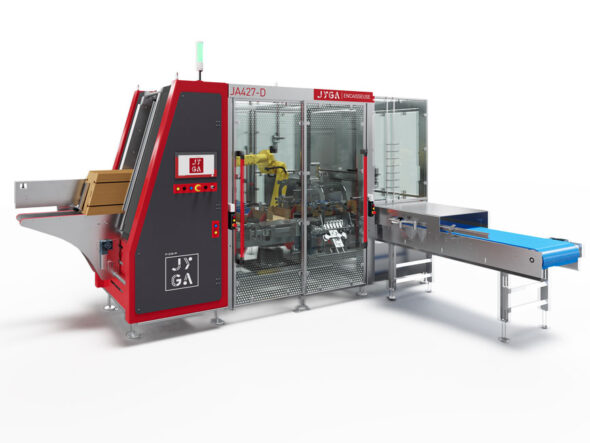
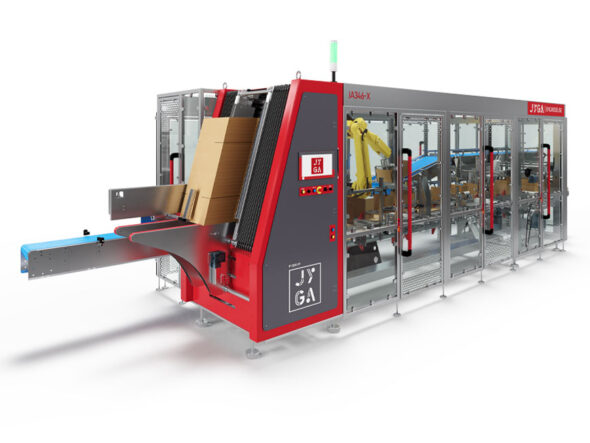
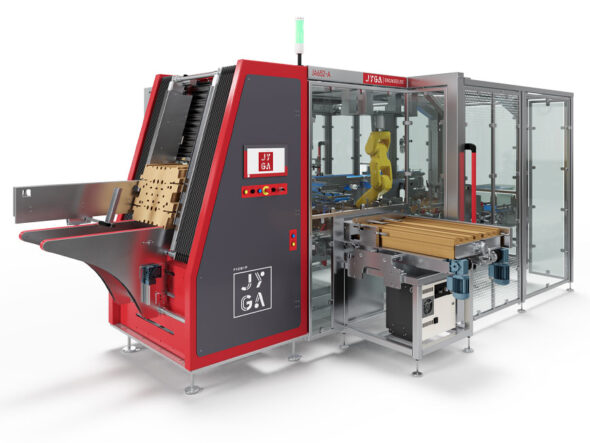
Top-Load Case Packers
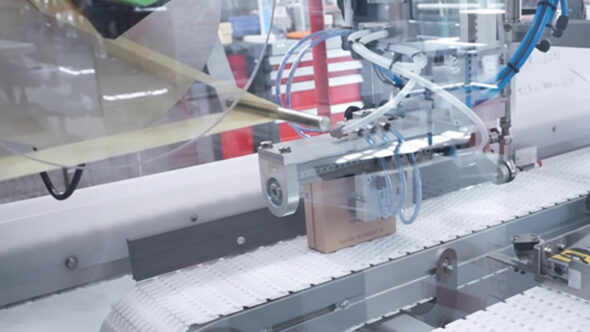
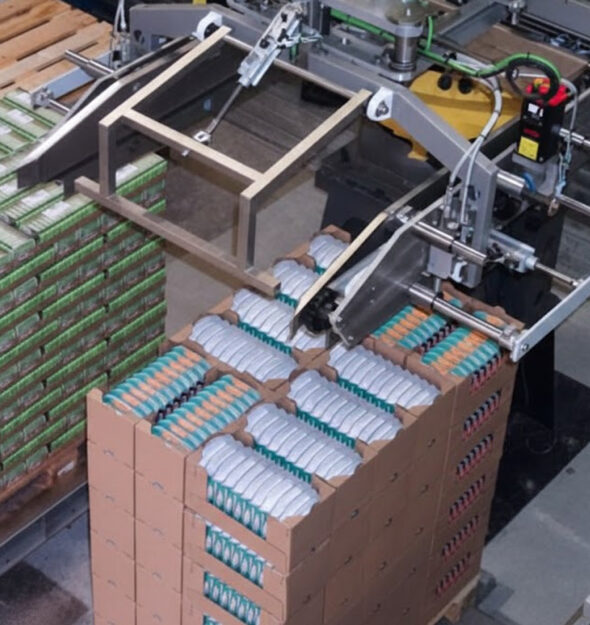
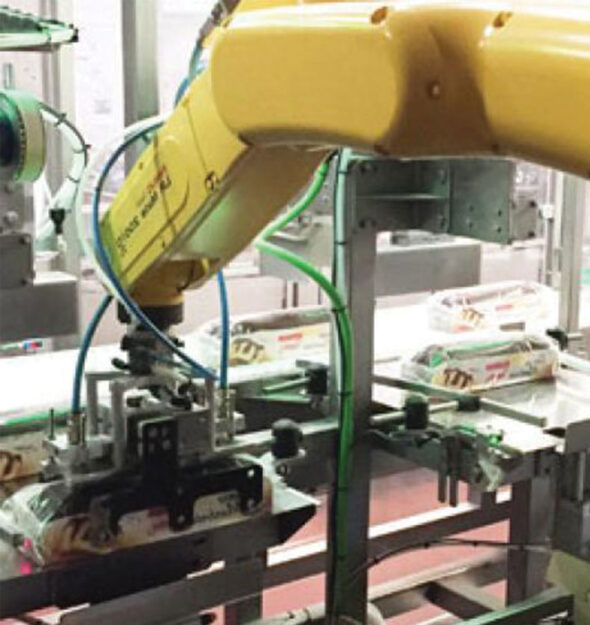
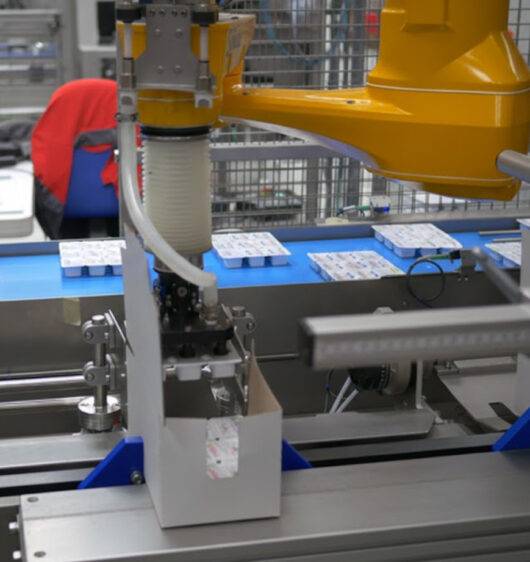
JYGA top-load case packers automate product case packing by loading products from above. Compact and modular, this solution adapts to your formats, layout constraints and throughput targets, while ensuring products are placed into the case in a consistent and controlled way.
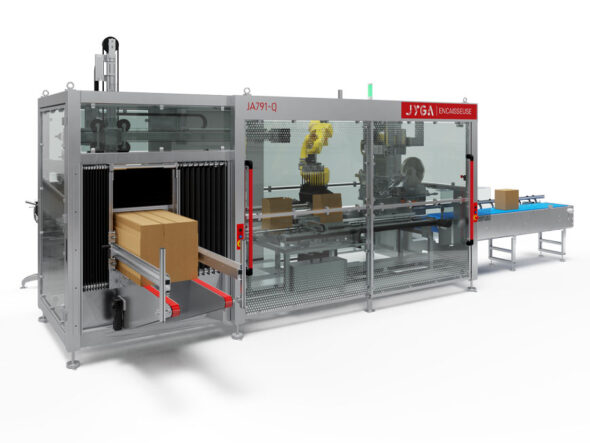
Side-Load Case Packers
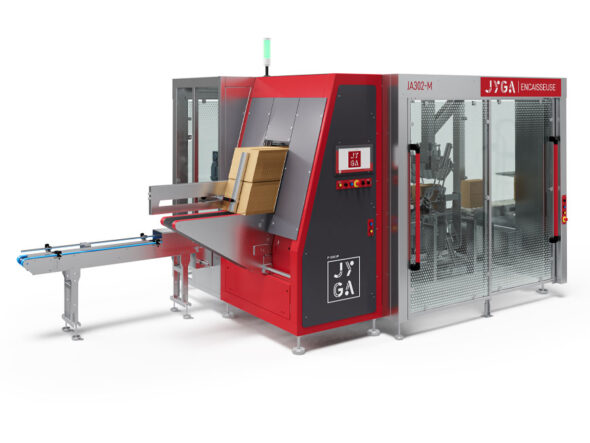
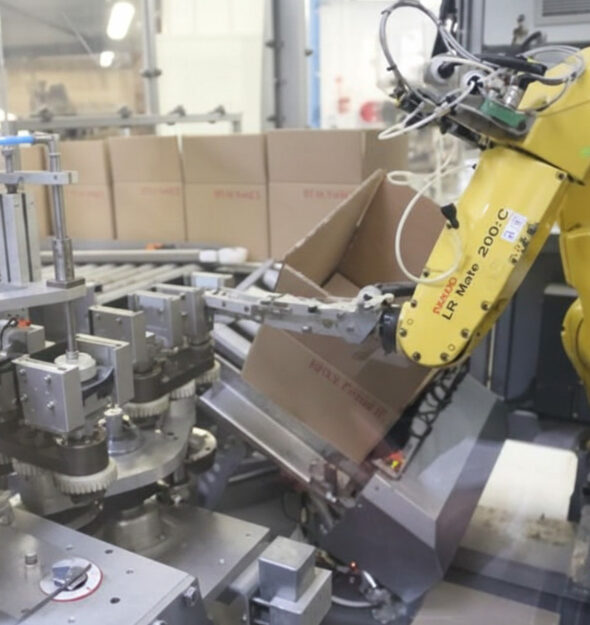
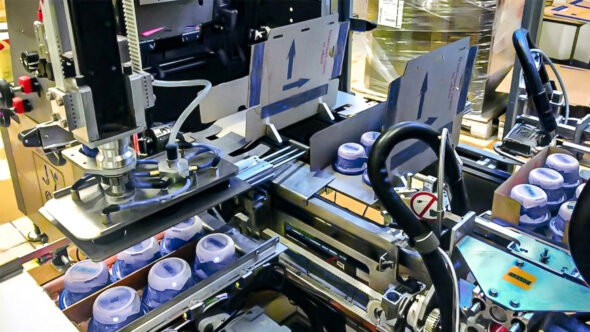
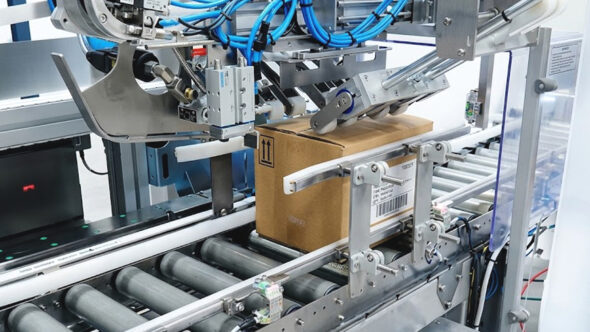
JYGA side-load case packers automate the side loading of your products into RSC cases. They handle the main stages of case packing: case forming, product loading, case closing and discharge. Compact and multi-format, they are suited to lines that require an optimised layout, loading in a single operation and controlled product positioning inside the case.
JYGA, your partner foryour packaging projects
Needmore information?
Our sales teamis here to help!
They trust us
















What Our Customers Say

Other sectors
Case Packer for Crop Protection Cartons
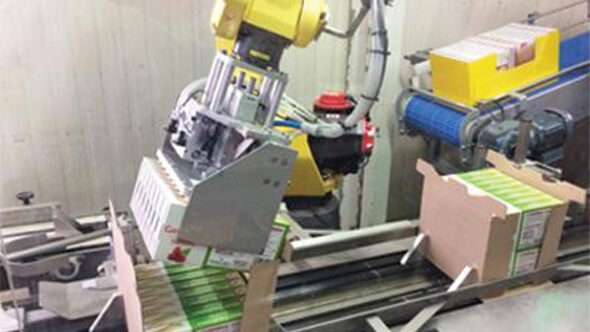
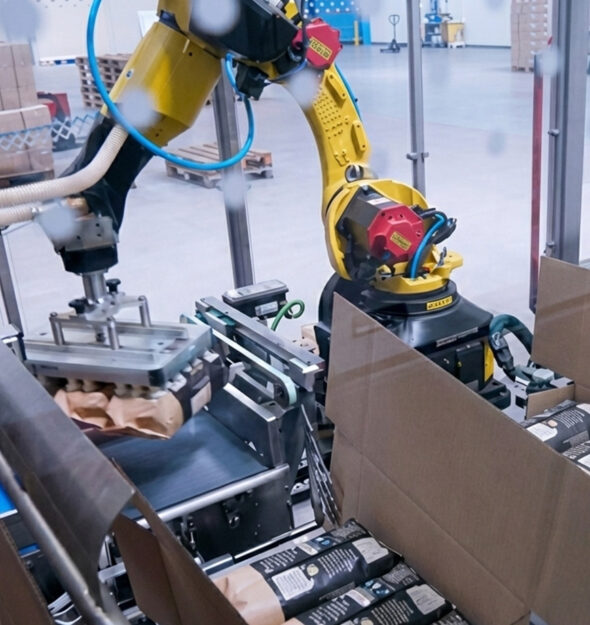
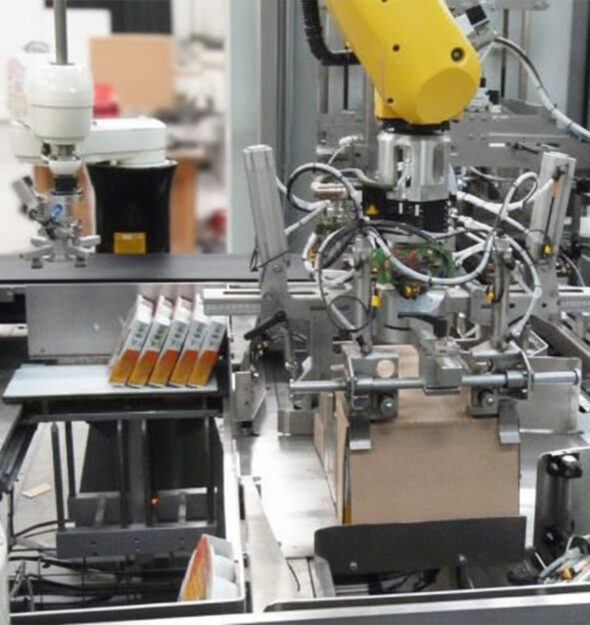
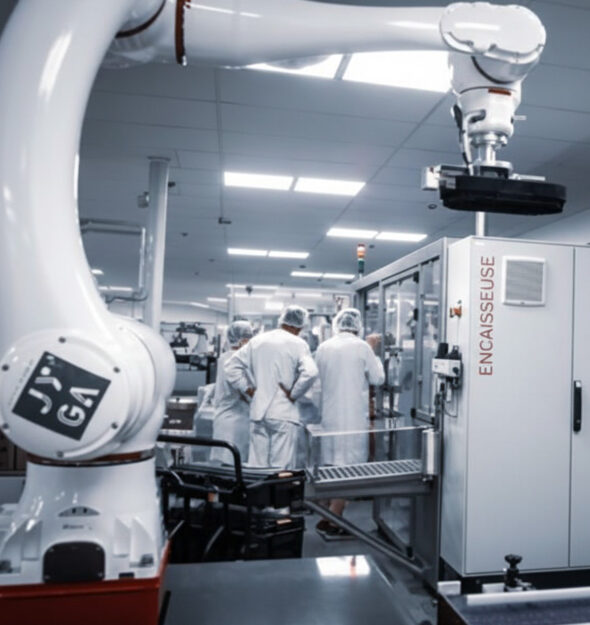
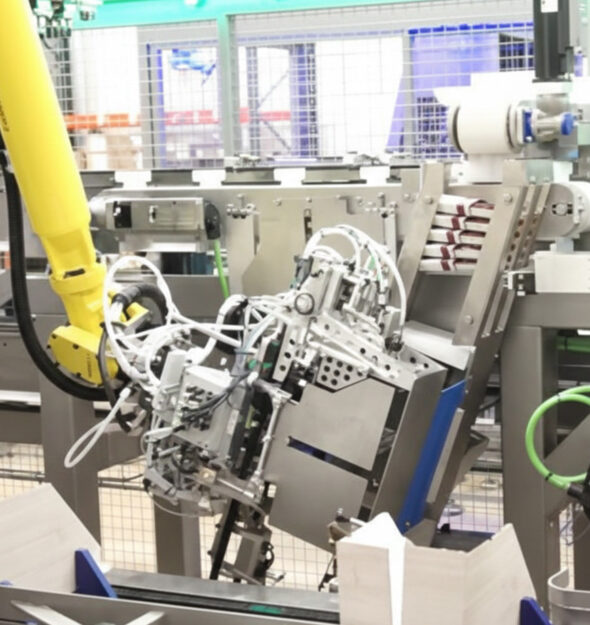
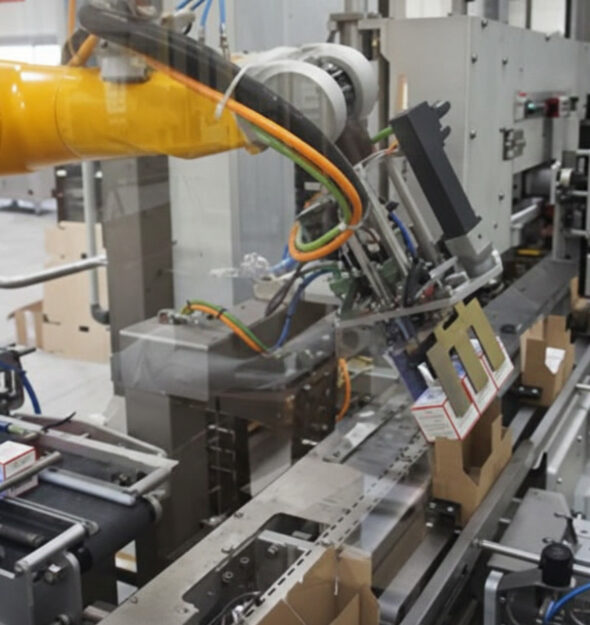
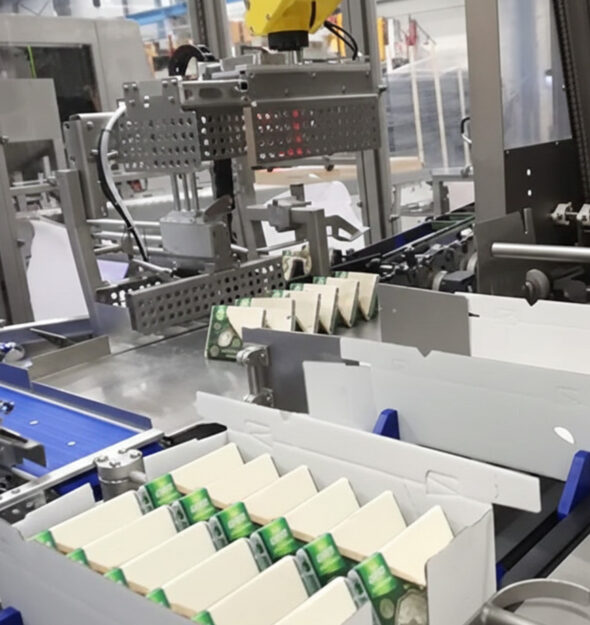
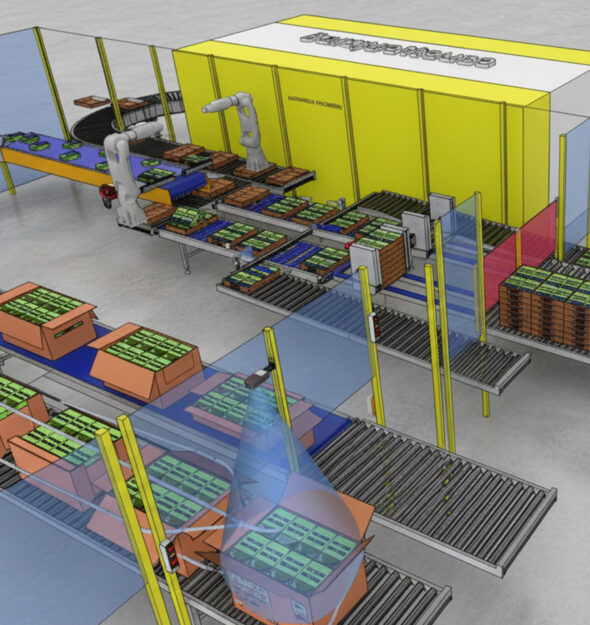
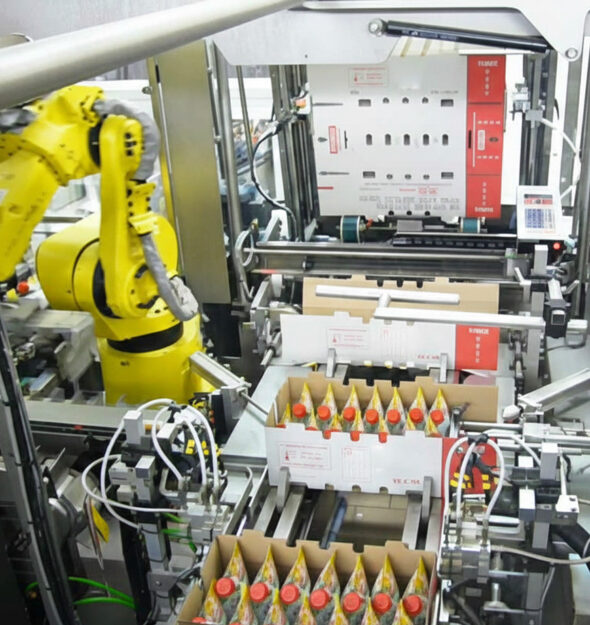
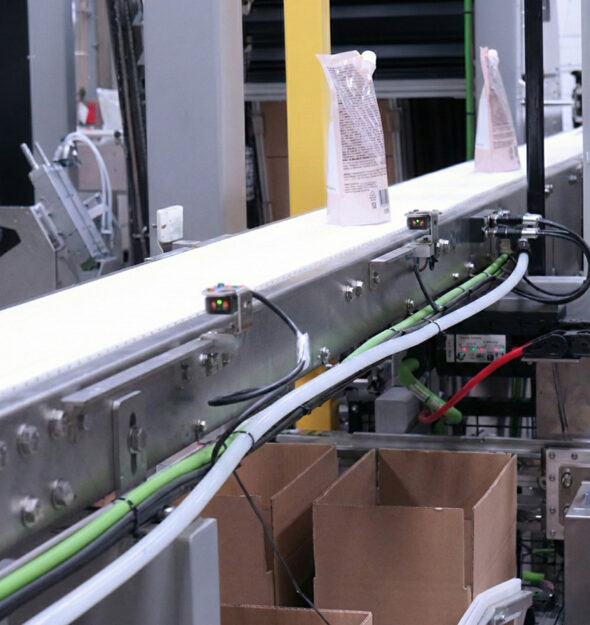
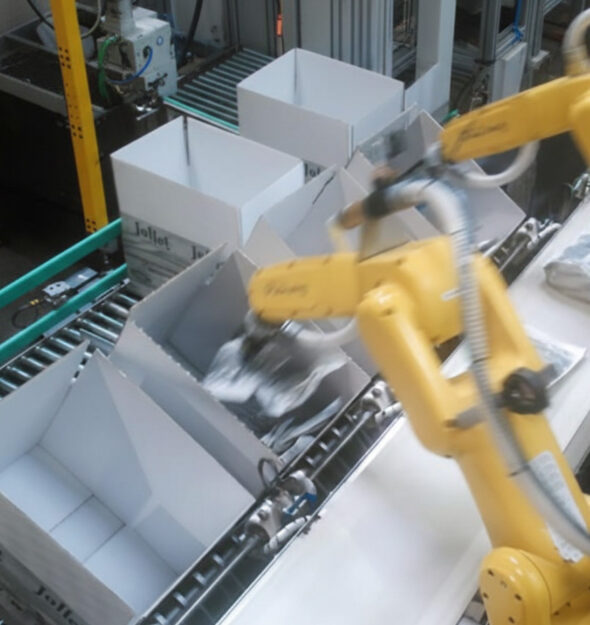
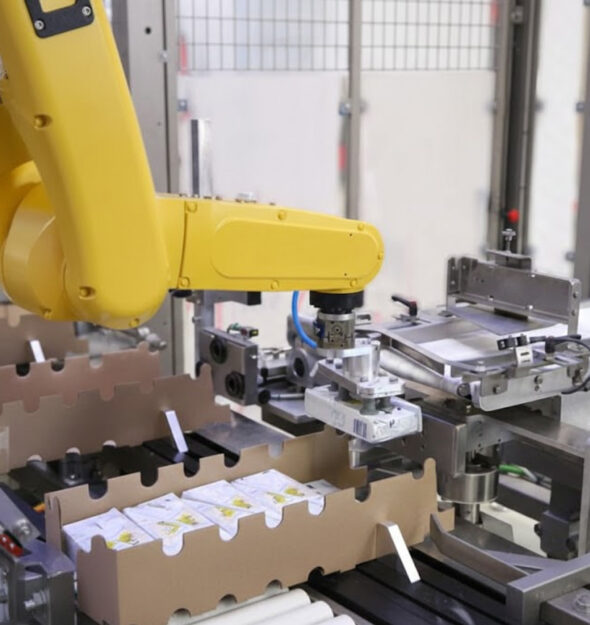
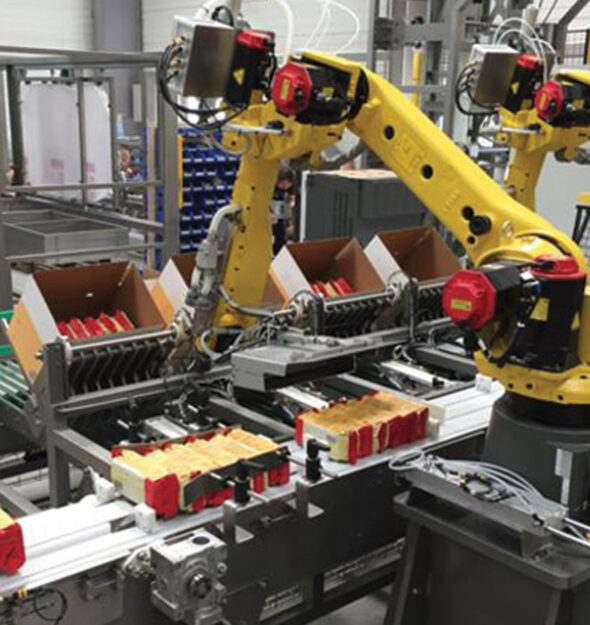
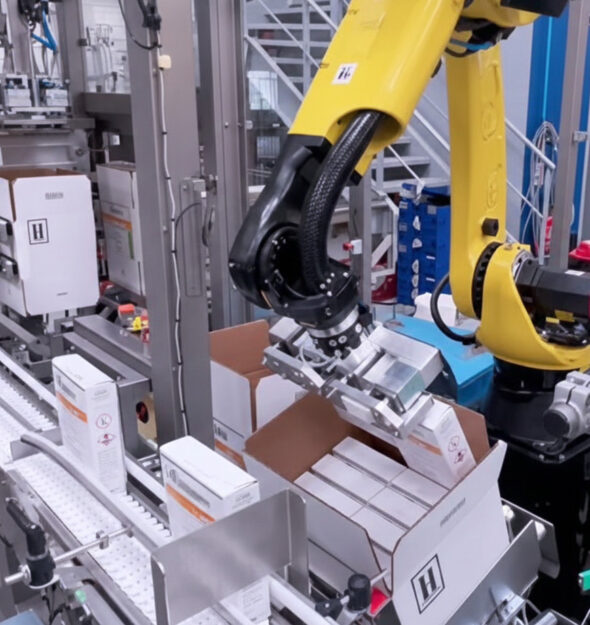
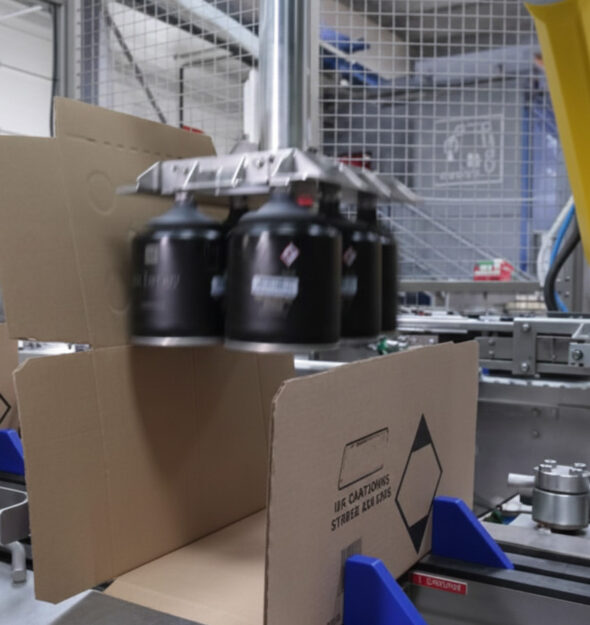
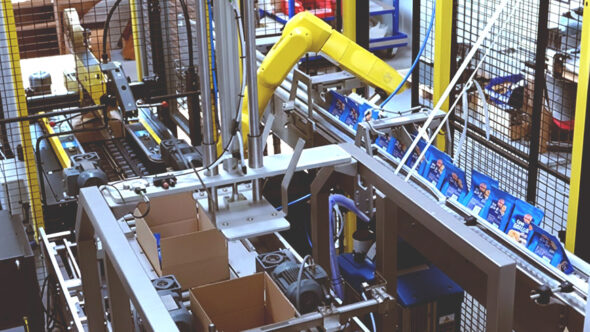
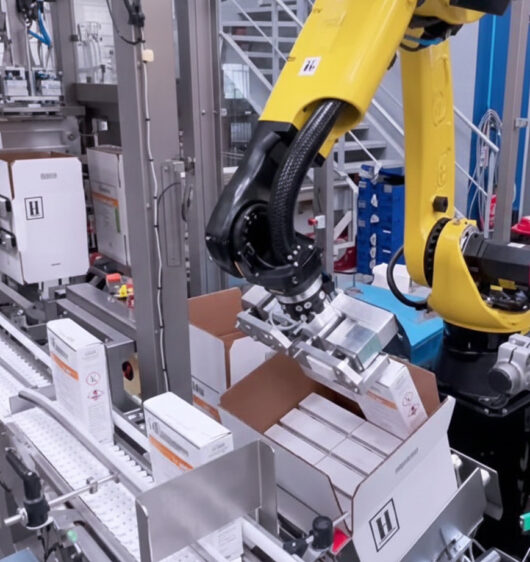
JYGA designed a top-load RSC case packer for a company specialising in crop protection and seeds. Crop-protection cartons arrive upright, are separated into batches and picked by a 6-axis robot fitted with a gripper, which places them into cases formed from cardboard blanks. After filling, the cases are closed and then inspected: each case receives a unique-code label and the Data Matrix codes of every carton are read to validate the contents before the case enters the closer/taper. A compact, secure solution with a strong focus on traceability.
Our latest projects
in packaging
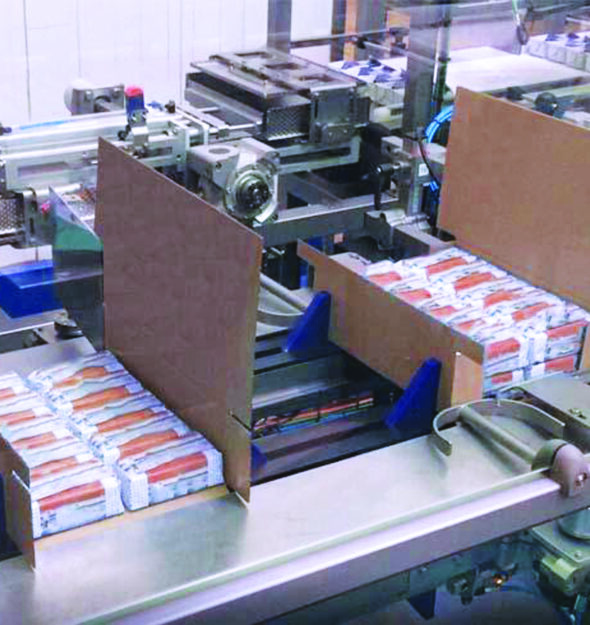
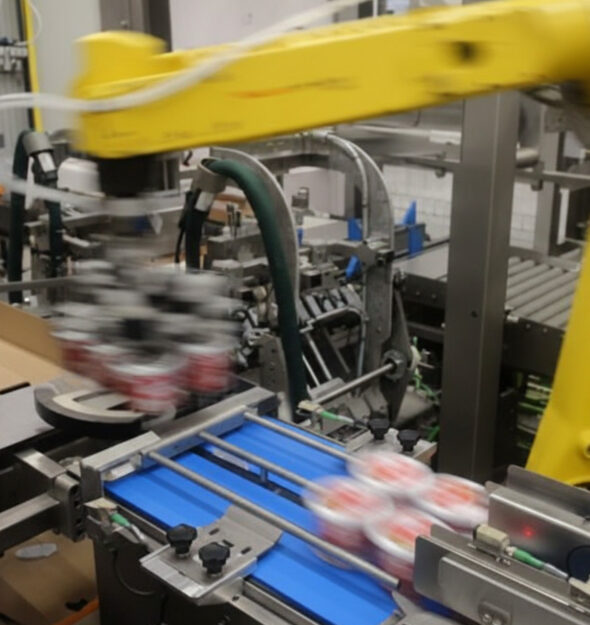
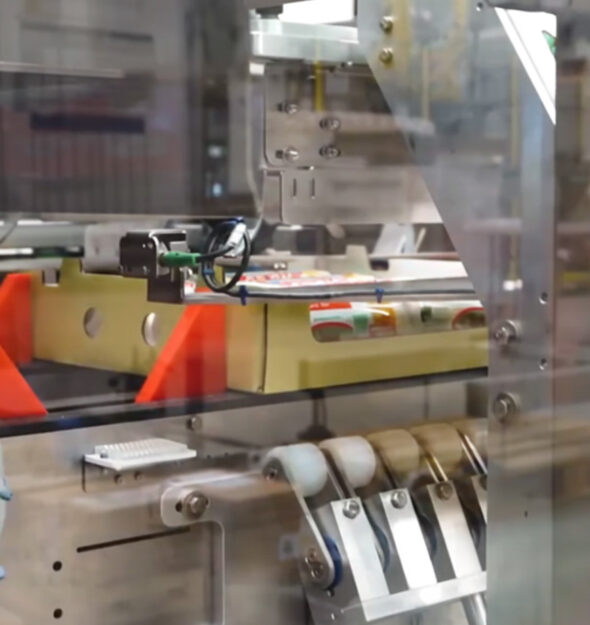
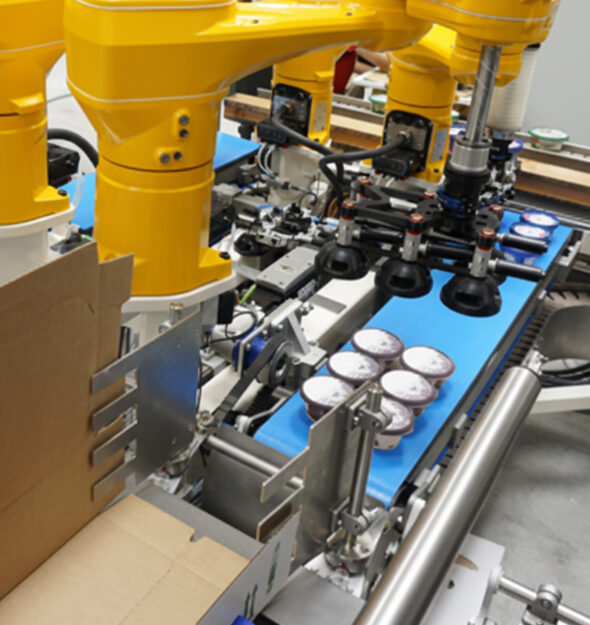
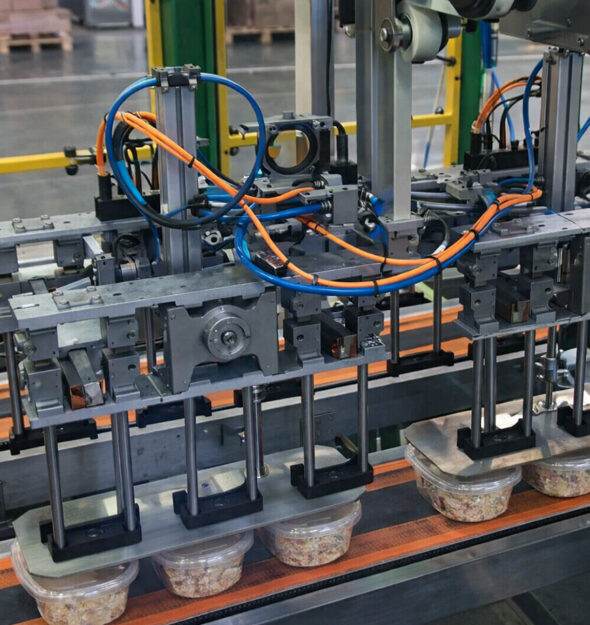
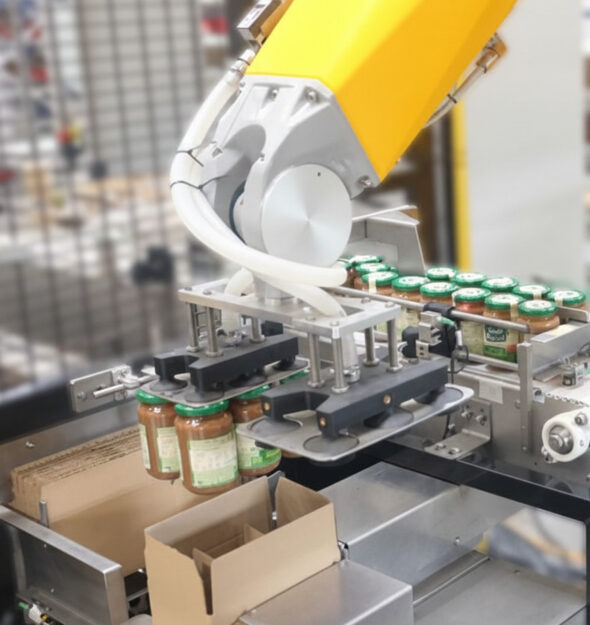
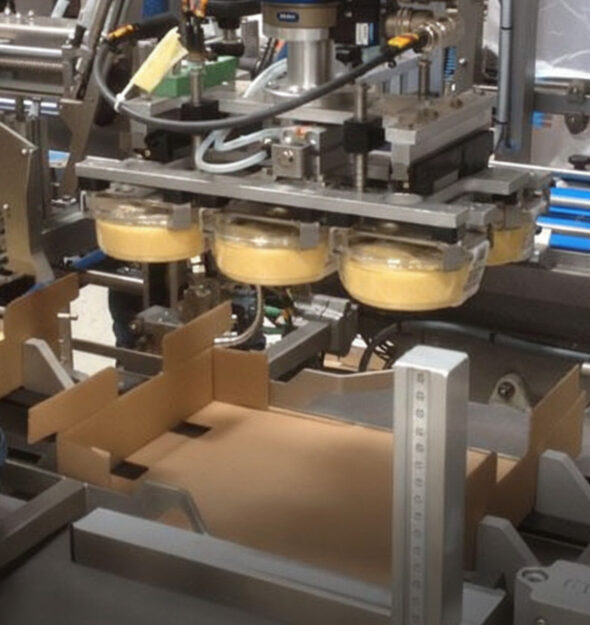
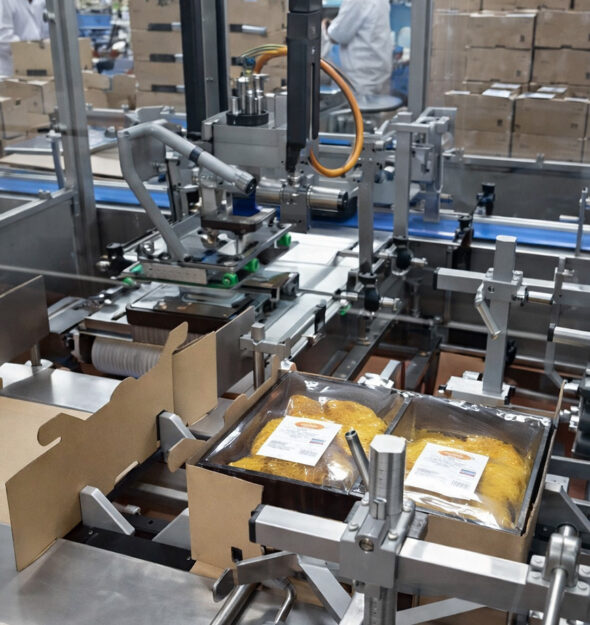
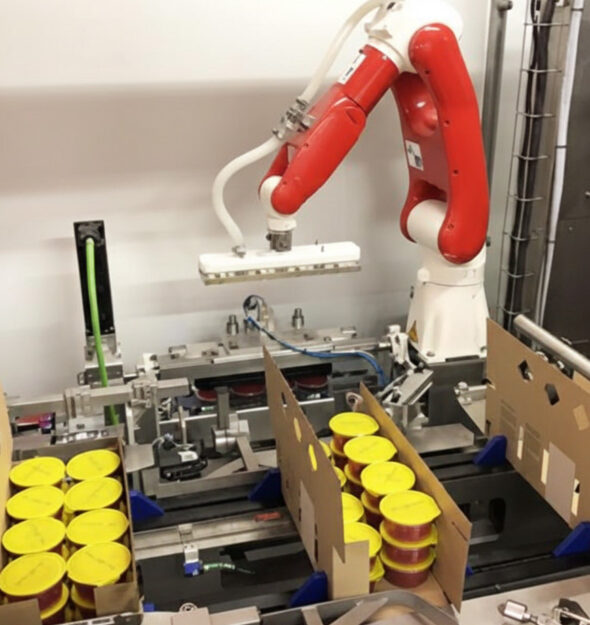
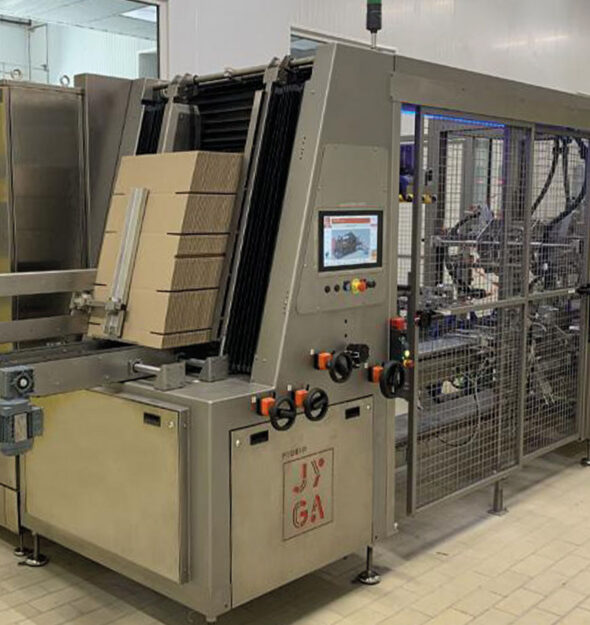
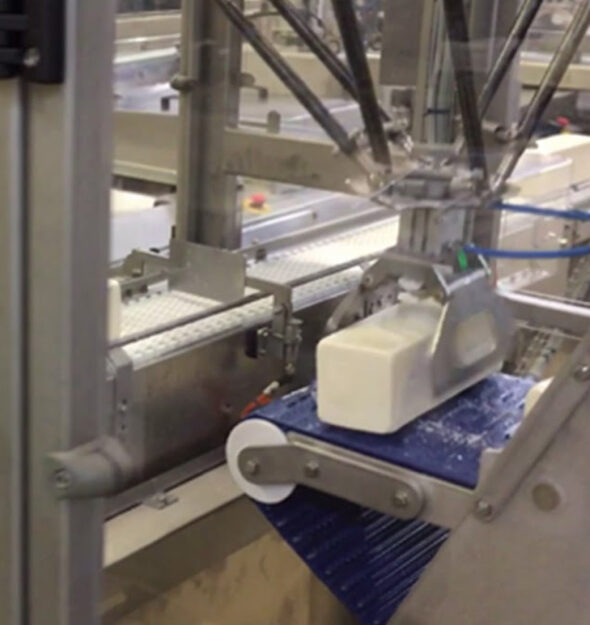
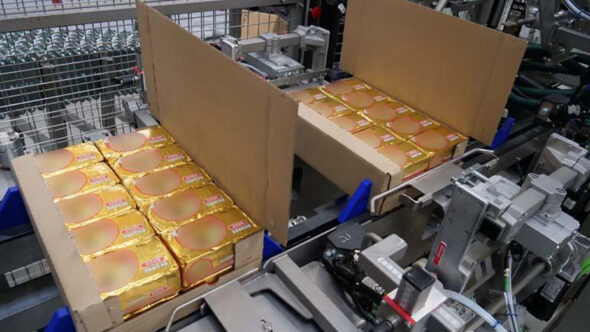
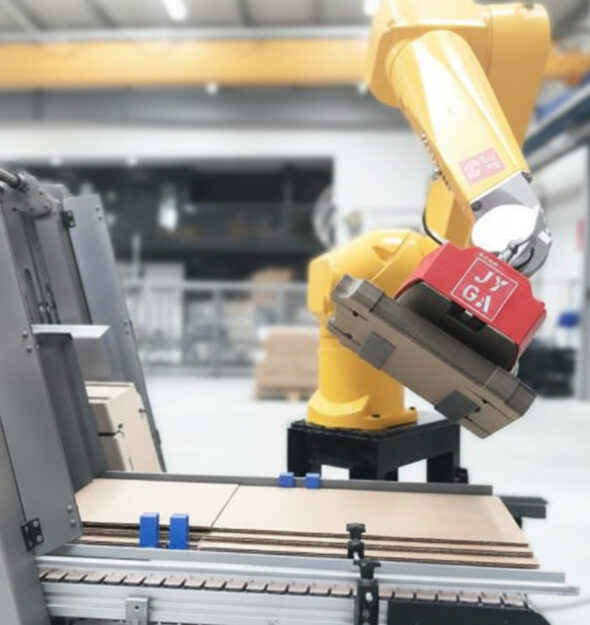
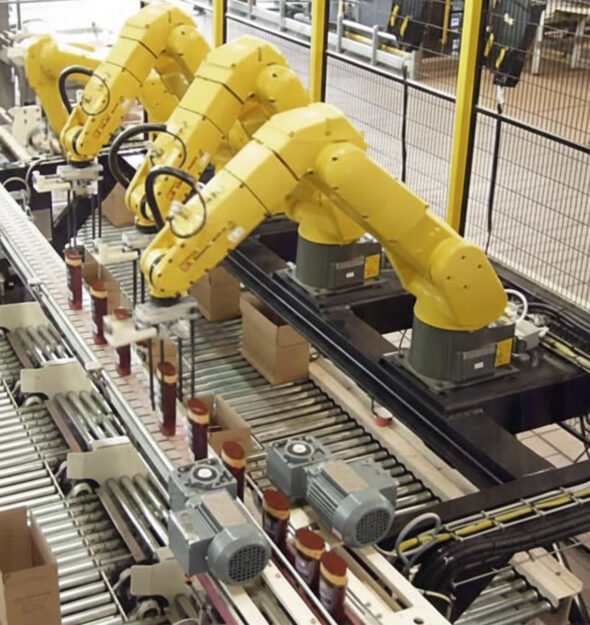
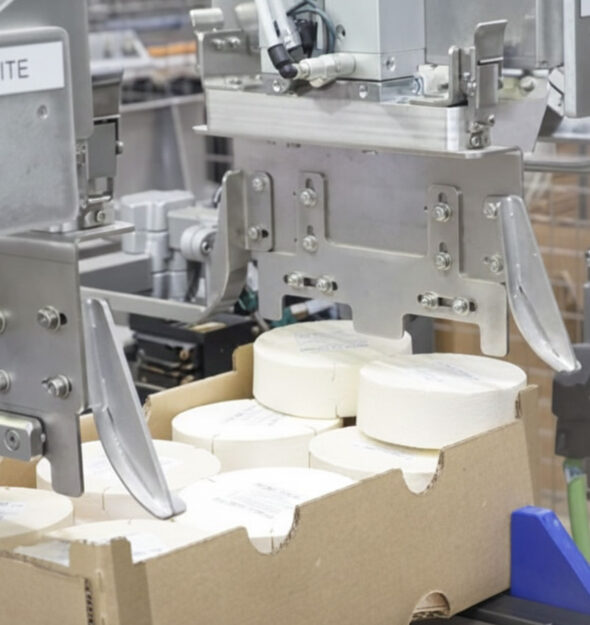
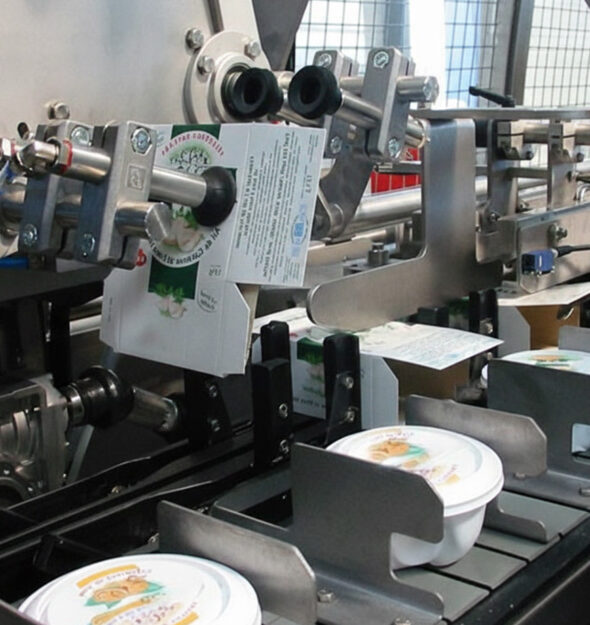
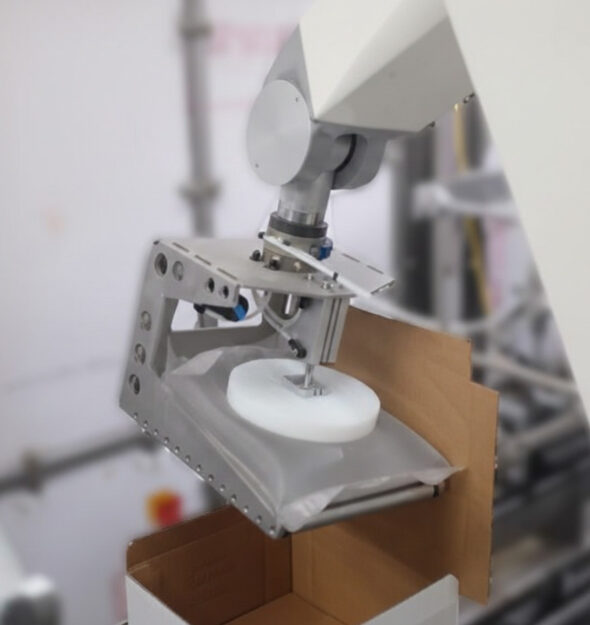
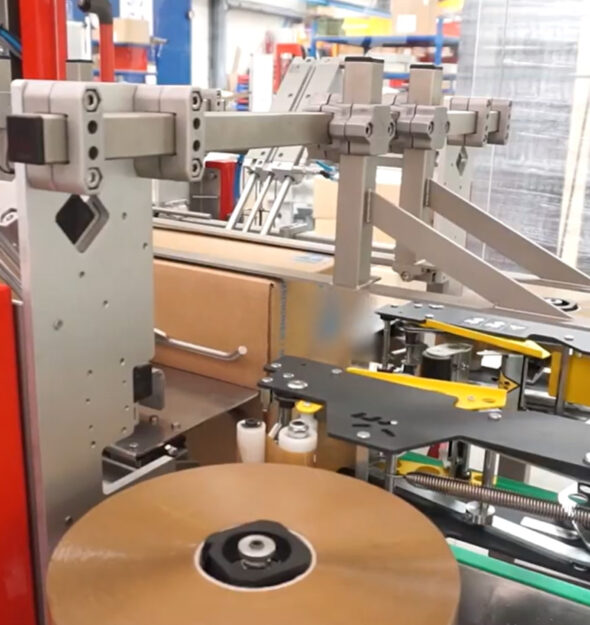
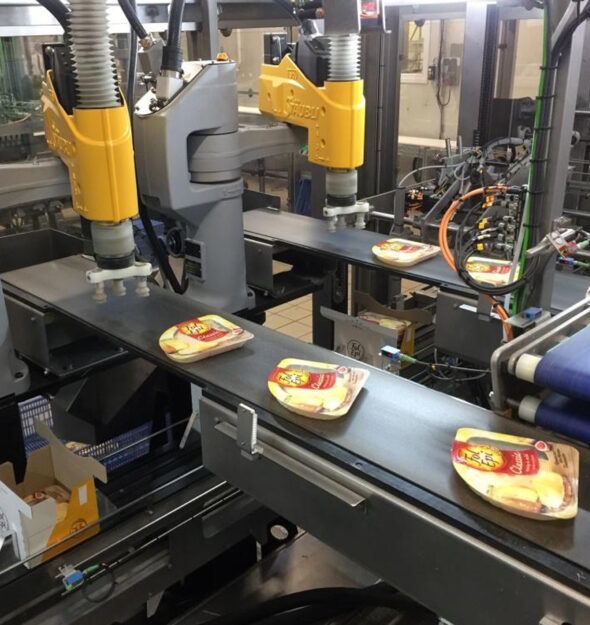
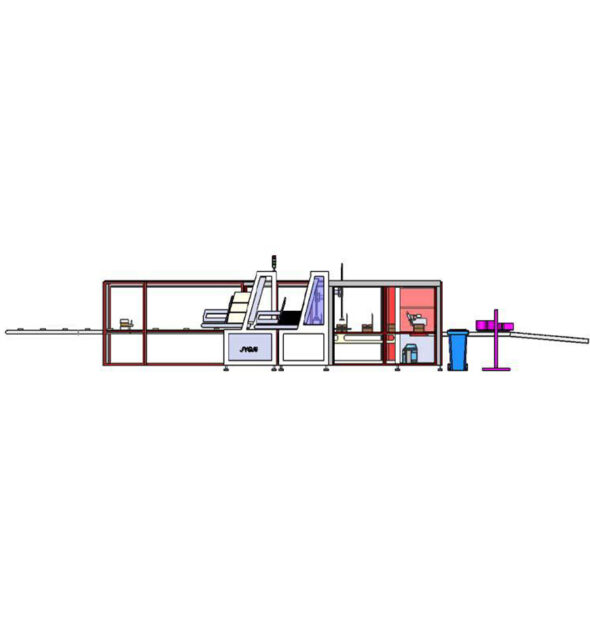
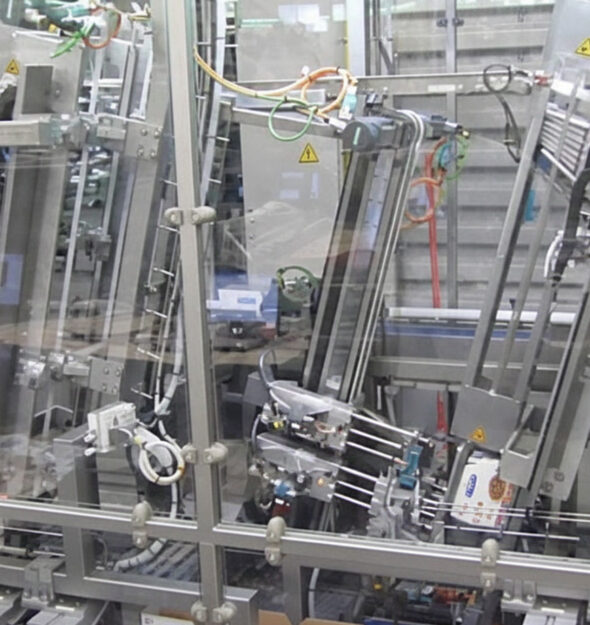
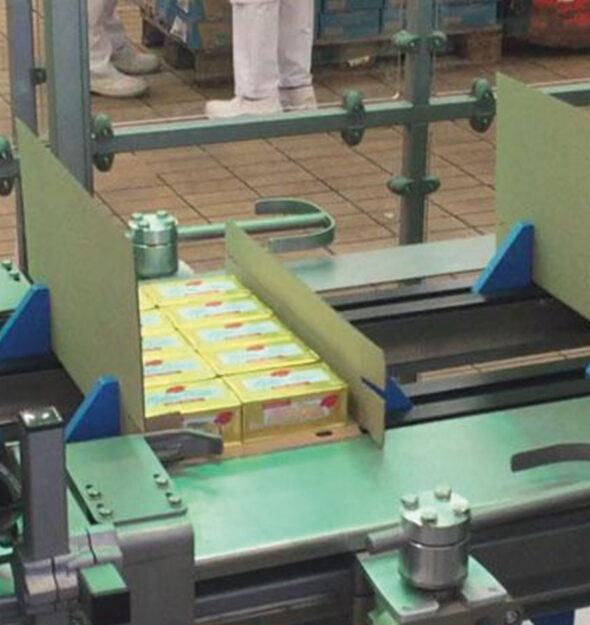
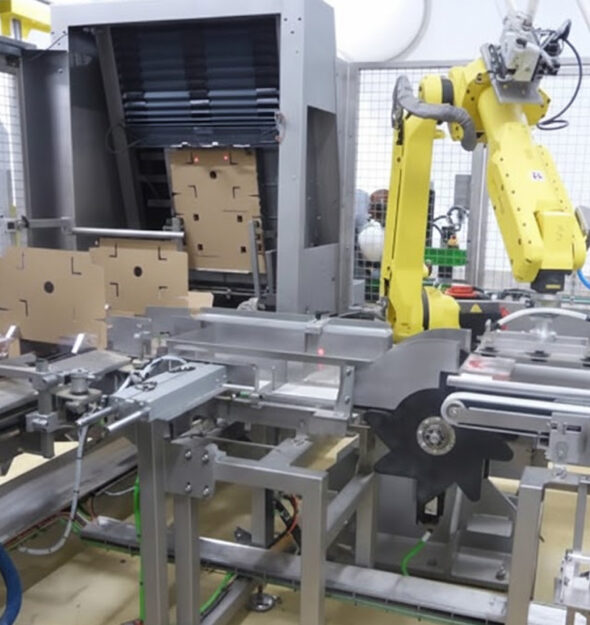
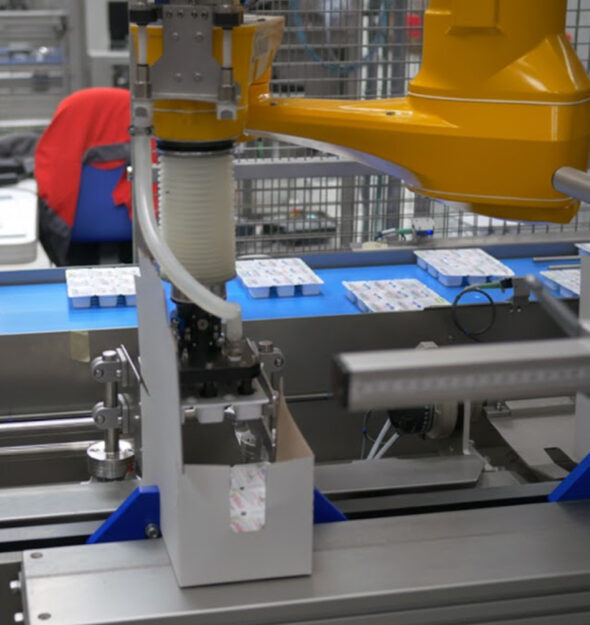
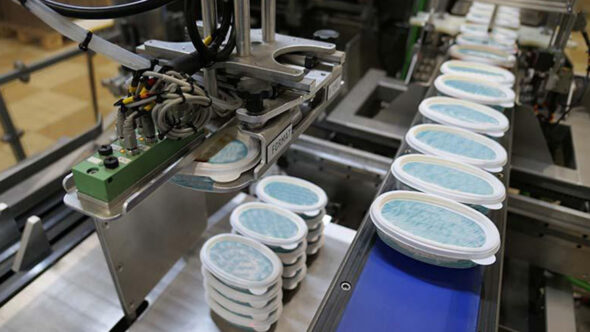
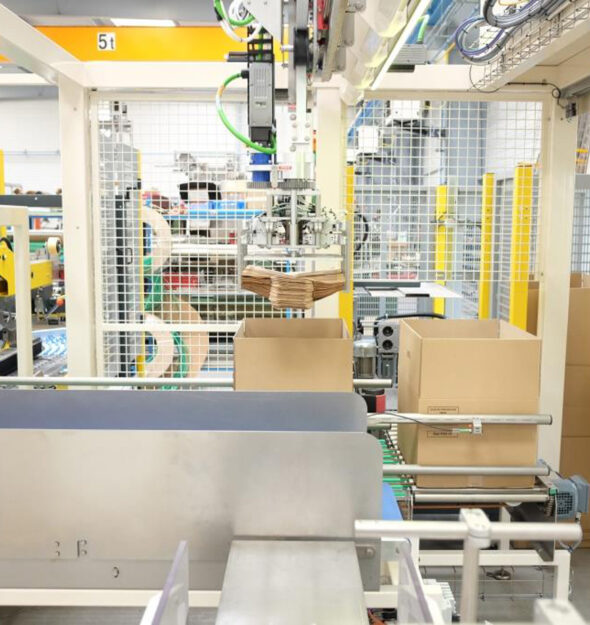
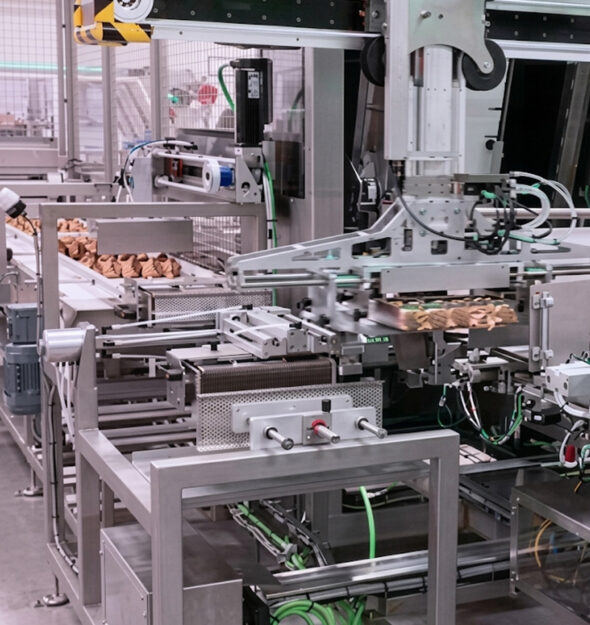
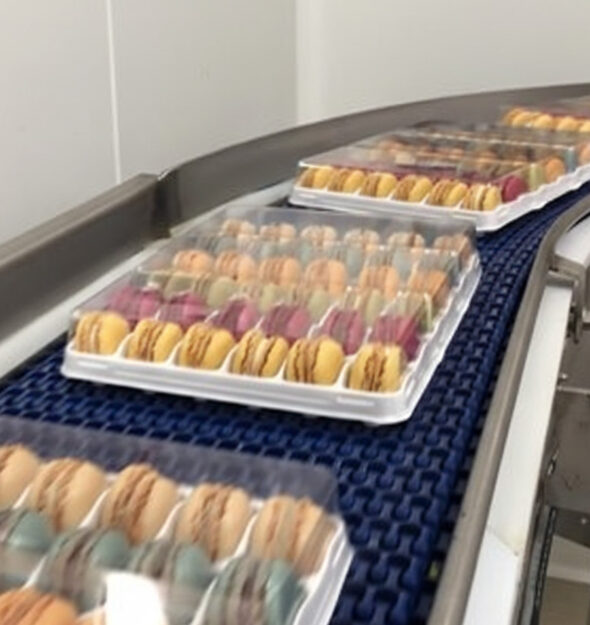
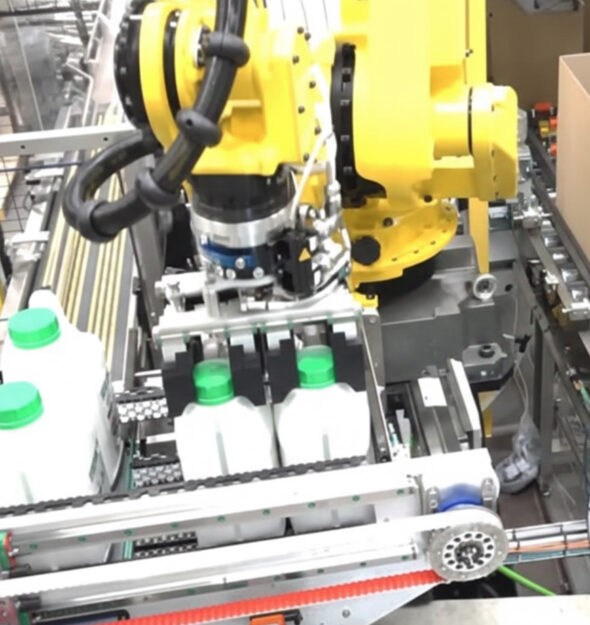
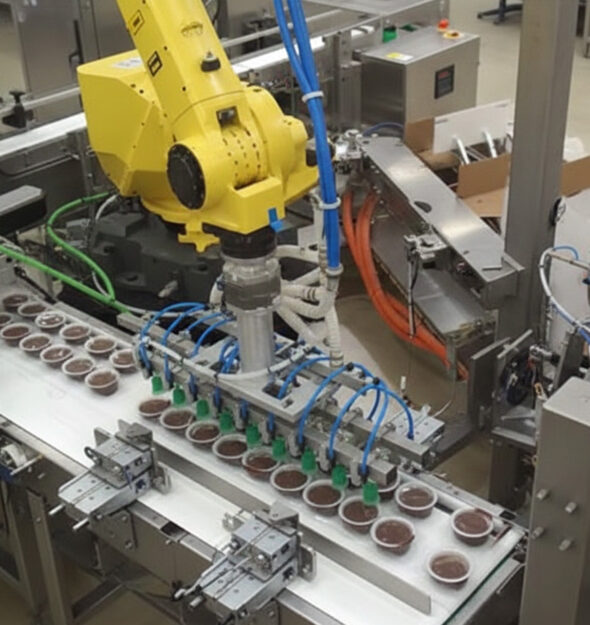
Explore our latest case packing projects and see what JYGA delivers on real customer sites. Through these projects, you will discover how we help secure your cases and packaging, improve productivity, and deliver consistent results across a wide range of speeds and formats. Browse these examples to better visualize your project and identify the solution best suited to your needs.











Our Method
01
Pre-sale
02
Order
03
Delivery and Installation
04
Commissioning
05
Final Acceptance
01- sales
Pre-sales
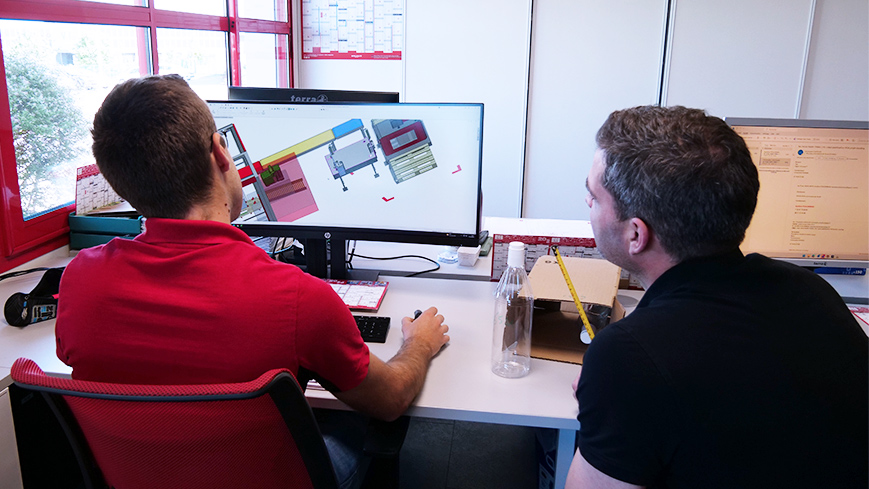
Everything starts with a clear, practical discussion: throughput targets, case formats, packaging types, layout constraints, expected safety level, and more. JYGA helps you identify the most suitable solution and prepares a detailed, well-supported proposal. You move forward with a clear view of the expected outcome, target performance levels, and return on investment.
02- order
Kickoff meeting at the customer site
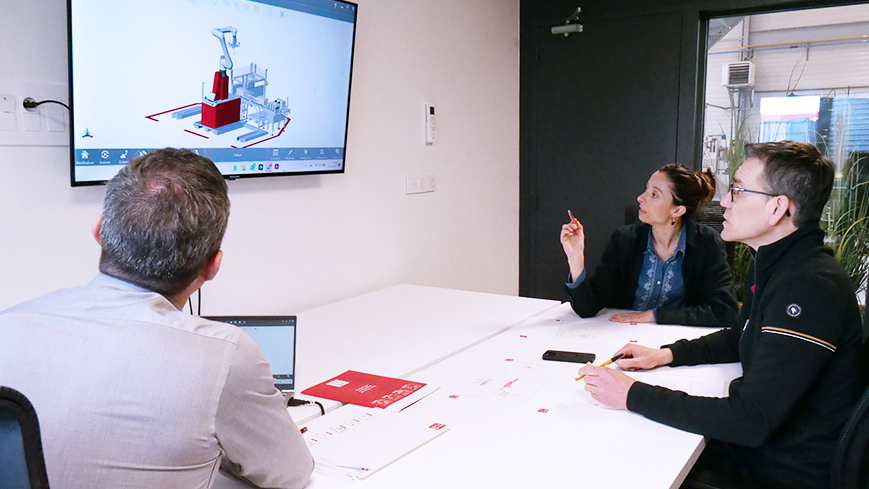
The kickoff meeting sets the project framework from the start: throughput targets, formats, cases and packaging to be handled, layout constraints, and performance expectations. JYGA reviews the schedule with you, validates the interfaces with your existing equipment, and identifies the key points to secure in order to ensure a smooth deployment and compliant results.

02- order
Virtual reality design review at JYGA
The virtual reality design review allows you to validate the layout before manufacturing and installation. Based on a 3D model, you can visualize the entire system: footprint, operator access, maintenance areas, interfaces with existing equipment, and the flow of cases and packaging. This step helps secure the integration and confirms that the solution meets your production and safety constraints.
02- order
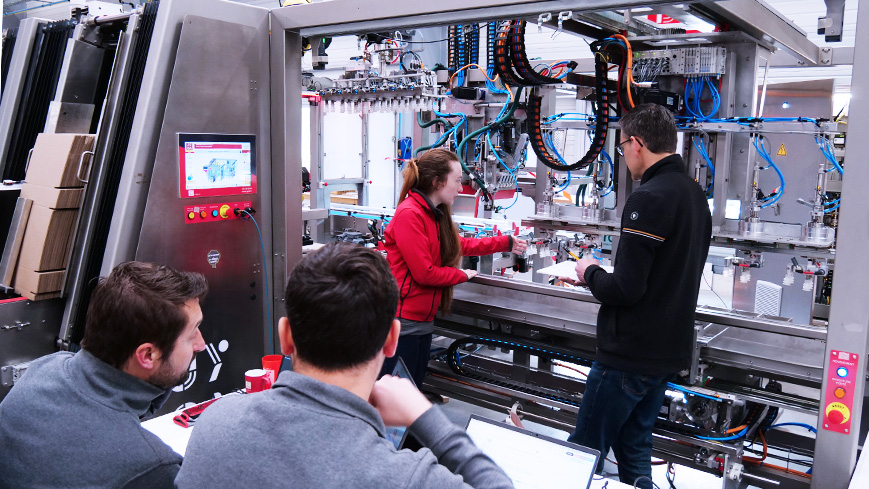
Factory Acceptance Test at JYGA
Before shipment, we carry out a Factory Acceptance Test (FAT) at JYGA to check the overall operation of the system. The tests reproduce your production conditions: product picking, format changeovers, closure quality and case integrity, and the consistency of packaging flows. This step reduces risks during installation and speeds up ramp-up at your site.
03- delivery and installation
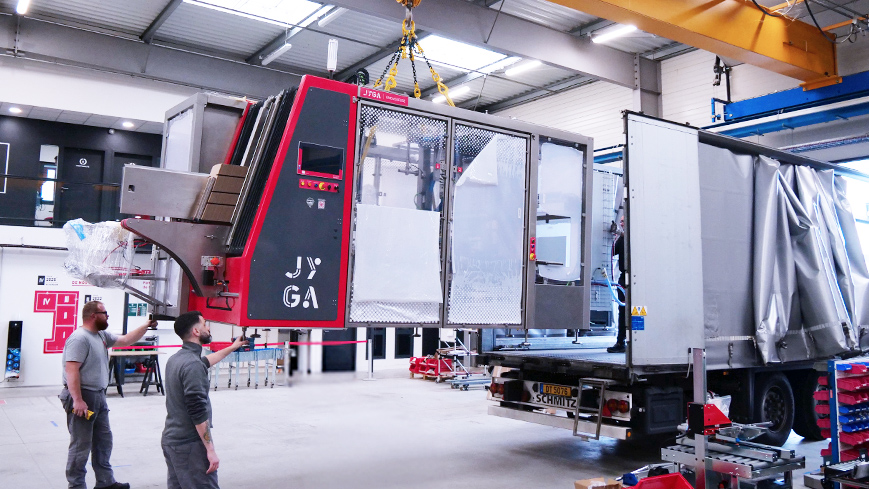
Delivery and installation
We handle delivery and on-site installation while taking your production constraints into account. JYGA’s teams coordinate equipment setup, connections, and integration into your existing environment. Each step is designed to minimize production downtime and deliver a smooth, uninterrupted end-of-line packaging solution.
04- commissioning
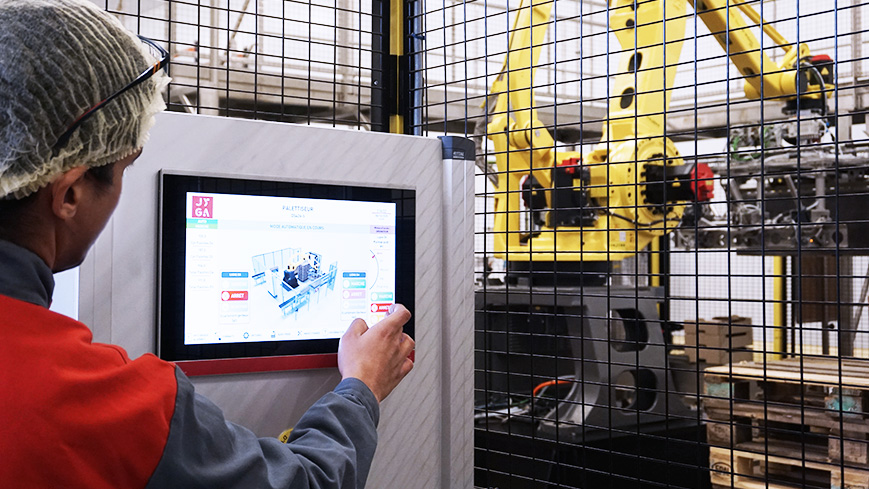
Site Acceptance Test in your facility (SAT)
The Site Acceptance Test (SAT) confirms that your solution reaches the expected performance levels under real production conditions. We validate throughput, repeatability, closure quality and case integrity, as well as the continuity of packaging flows through to shipping. This step secures startup, reduces production uncertainties, and ensures a solution that meets your standards.

04- commissioning
Staff training
JYGA trains your operators and technicians so they can operate the system independently. Settings, format changeovers, quality checks, best practices, and basic maintenance are all covered to keep the equipment stable and efficient. The goal is simple: preserve case and packaging quality, save time in daily operations, and support long-term production performance.
05- final acceptance
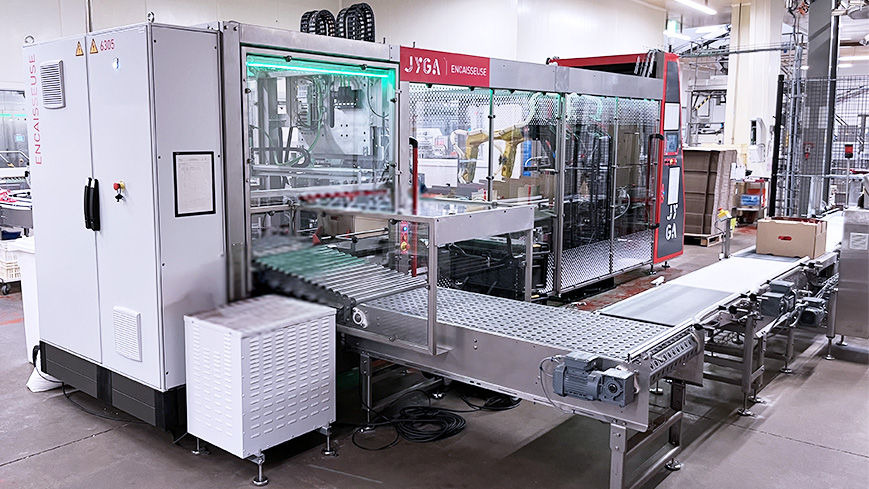
Final acceptance
Once the objectives have been reached, final acceptance formally confirms that the installation meets the required specifications. Performance, safety, and operation are validated together. JYGA remains by your side after production startup, with long-term support and follow-up solutions to help maintain the performance of your installation and adapt your equipment if your needs evolve.
Visit our showroom
Come visit our showroom and talk with our specialists. On site, we will present solutions tailored to your end-of-line packaging projects.
7 Rue Edouard Branly, 49280 La Séguinière, France
Monday to Friday, 8:00 AM to 5:30 PM
How to prepare your case packing project
My product is unstable, fragile or difficult to handle: is automatic case packing possible?
Yes. A case packing solution can be designed to handle sensitive products such as sachets, doypacks, bottles, trays, cartons, bare products or products that are already packaged, using adapted grippers, controlled guiding and, where required, centring or accumulation systems. The aim is to achieve consistent case loading without damaging the product, while ensuring good case integrity at the discharge.
How can a case packer be integrated into an existing line without disrupting production?
Integration is managed by working on the upstream and downstream interfaces: conveying, accumulation, grouping, throughput and synchronisation with the other workstations. JYGA sizes the solution to fit into your environment, including layout, flows and access, while limiting modifications around the case packing area and ensuring a smooth transition through to dispatch.
I have limited floor space: what footprint should I allow for and what access points need to be maintained?
The footprint depends on the type of cases, the feeding method and the selected options, such as inspection or labelling. A successful layout maintains easy access for operators, including case and consumable replenishment, as well as access for maintenance. JYGA validates these points from the study phase to ensure an efficient, practical and safe case packing workstation for everyday use.
What is the purpose of a case packer at the end of a packaging line?
The objective is to achieve consistent case packing at a stable throughput, with controlled closing quality. Depending on your requirements, the solution can integrate case forming, loading, gluing, inspection and discharge, in order to maintain a continuous flow through to the next stages.
Wrap-around case, RSC case, closed case: how do you choose?
The type of case depends on your product, the level of support required and your transport constraints. A wrap-around case is often chosen for its rigidity and neat finish, while an RSC case is easy to integrate for common formats and versatile requirements. JYGA helps you define the most consistent configuration for your cases and throughput rates.
What are the advantages of using an automatic case packer?
Modernising case packing at the end of a packaging line helps increase production throughput with faster and more consistent case loading. Integrating a robotic case packing cell also helps reduce packaging and case loading errors. Finally, it improves working conditions by reducing physical strain and the risk of MSDs, or musculoskeletal disorders.
Learn more about packaging
Automatic case packers: role, operation and selection criteria
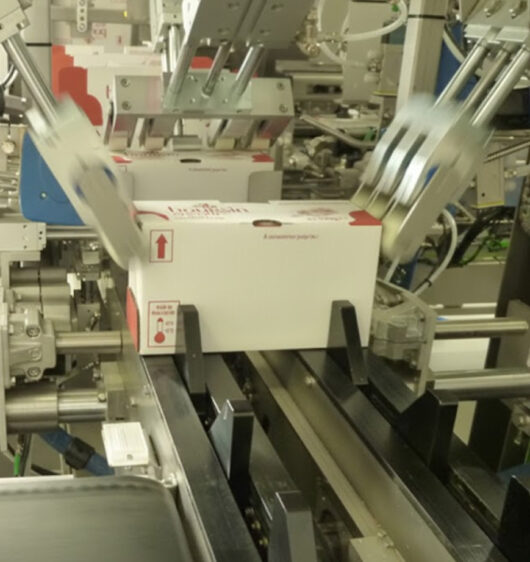
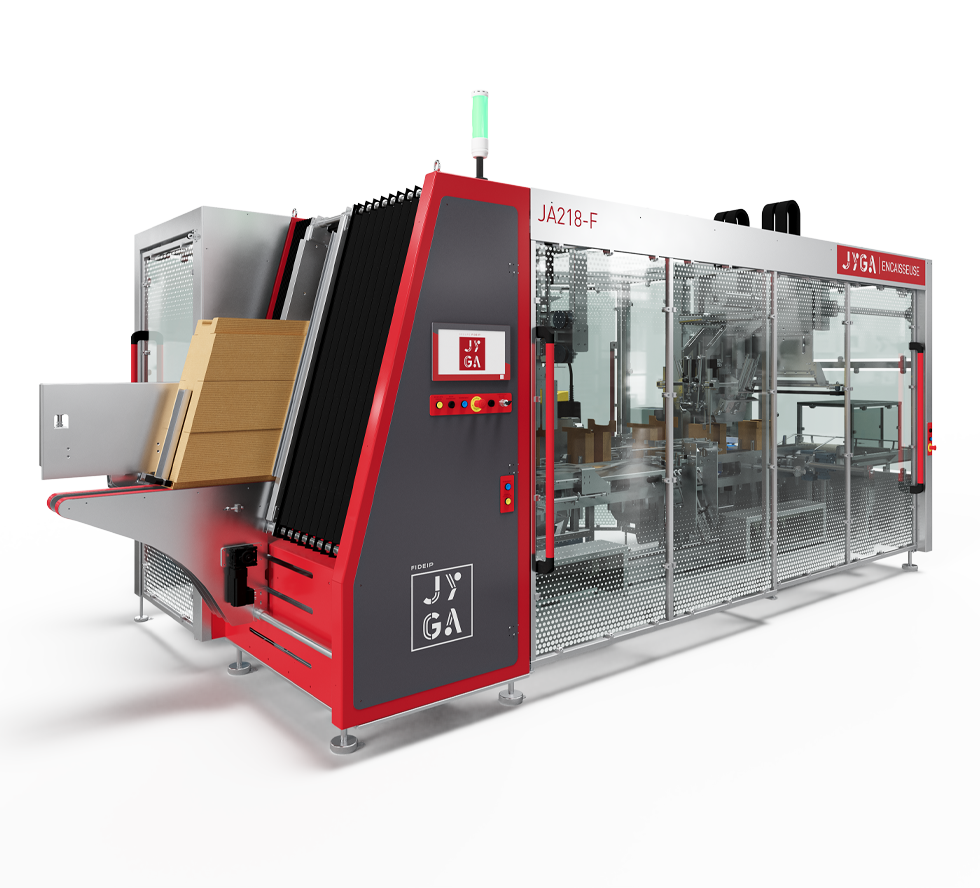
In an end-of-line packaging system, a case packer places products into a suitable case, such as a wrap-around case, RSC case, closed case or open case. It operates after processing and primary packaging, when production moves into a logistics stage: grouping, protecting and dispatching products while maintaining consistent results for cases and packaging.
What is the role of a case packer at the end of a packaging line?
The aim is to achieve consistent case packing, with a stable production rate and a clean, controlled case closure. Depending on the selected configuration, the system can handle case forming, product loading, adhesive closing, inspection and case discharge to the next equipment.
Correctly sizing your case packing solution
To choose the right configuration, several criteria need to be considered together: product type, case type, throughput, frequency of format changeovers and layout constraints. A correctly sized solution reduces manual handling, helps ensure case integrity during transport and improves the overall performance of your end-of-line packaging system.
What are the advantages of using an automatic case packer?
Modernising case packing at the end of a packaging line helps increase production throughput with faster and more consistent case loading. Integrating a robotic case packing cell also helps reduce packaging and case loading errors. Finally, it improves working conditions by reducing physical strain and the risk of MSDs, or musculoskeletal disorders.