What Is an Industrial Thermoformer?
Reading time : 5 min

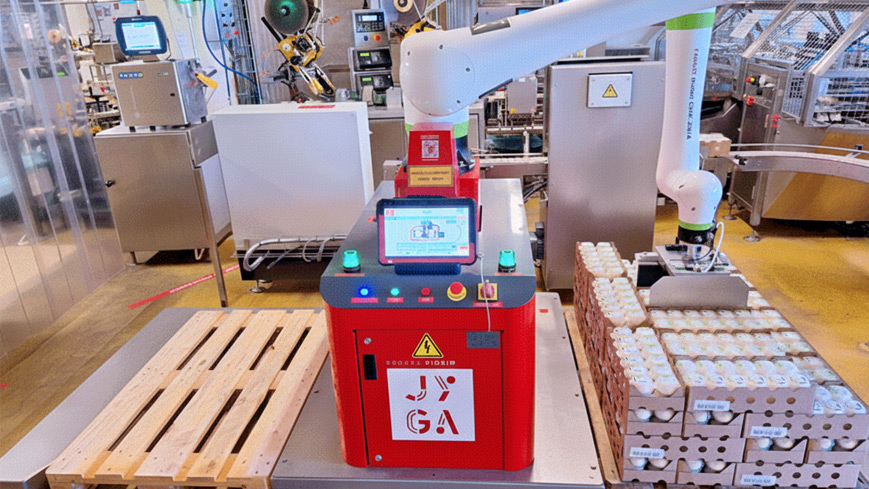
Palletising products is a crucial part of logistics, storage, packaging and dispatch preparation. A good palletising method helps reduce the risk of product damage, makes handling and transport easier and optimises available space. This guide explains how to build pallet loads safely and efficiently.
The first step in palletising correctly is to select equipment suited to your requirements. Several criteria should be considered:
Our team is here to advise you.
Good organisation on the pallet is essential to maintain load stability and safety during transport. Here are several practical points to consider:
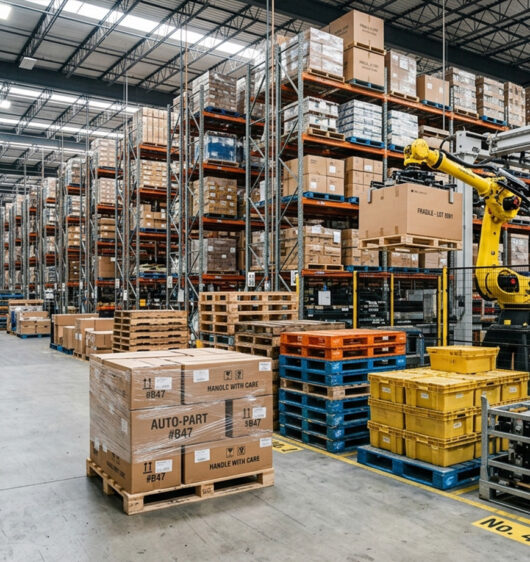
Always place the heaviest cases on the lower layers of the pallet. This helps distribute the weight evenly, reduces imbalance and limits the risk of damage to more fragile products.
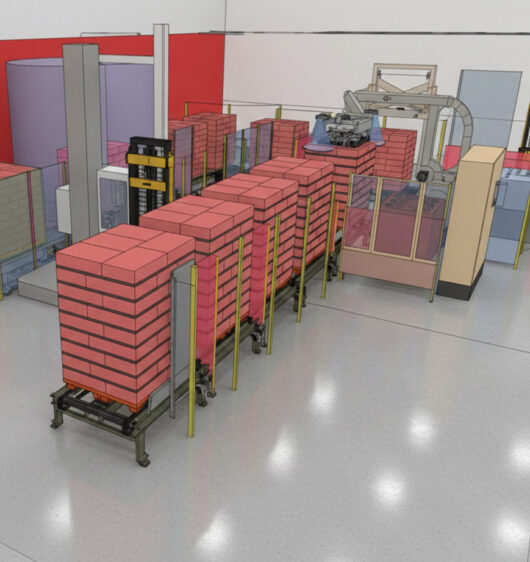
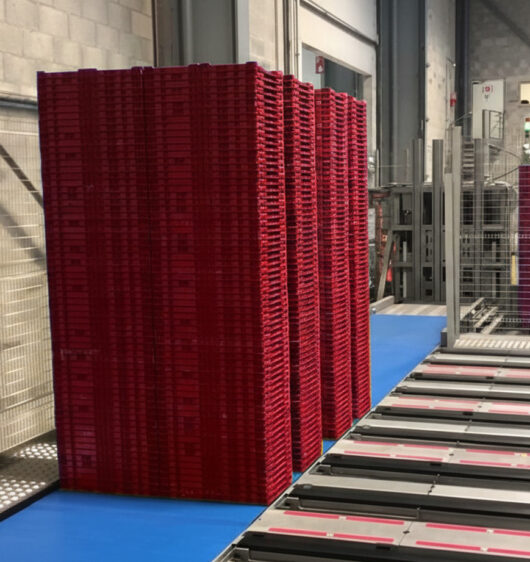
To make full use of the available pallet footprint, build the load compactly and consistently, avoiding unnecessary gaps between cases. The aim is to create a strong, stable unit that can better withstand shocks and movement during transport.
To improve package stability, an interlocked pattern can be used by alternating case positions from one layer to the next. This helps distribute the load and strengthens the overall pallet structure.
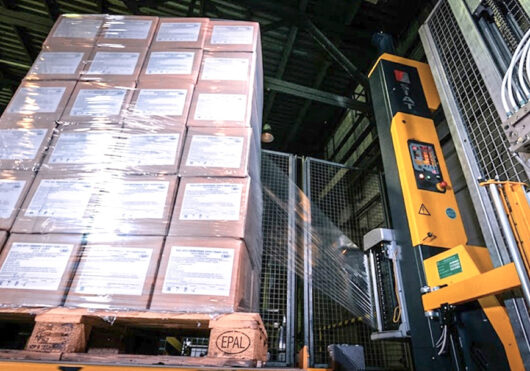
Once the packages have been correctly arranged on the pallet, they should be held firmly in place using stretch film. This stage helps secure the goods and makes storage, handling, loading and transport easier.
Depending on the number of pallets to be wrapped, an automatic or semi-automatic stretch wrapper can make the operation faster and more consistent. For lower volumes, stretch film can also be applied manually.
For secure palletised loads, apply the film regularly and evenly around the entire load. Several wraps around the pallet can be used to strengthen load retention.
Make sure the stretch film is tight enough to hold the goods securely without compressing products or deforming their packaging. It must provide sufficient holding force while retaining enough flexibility to absorb movement or shocks during transport.
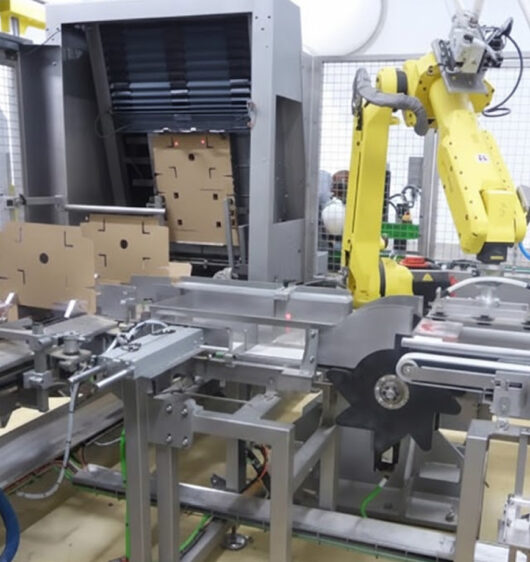
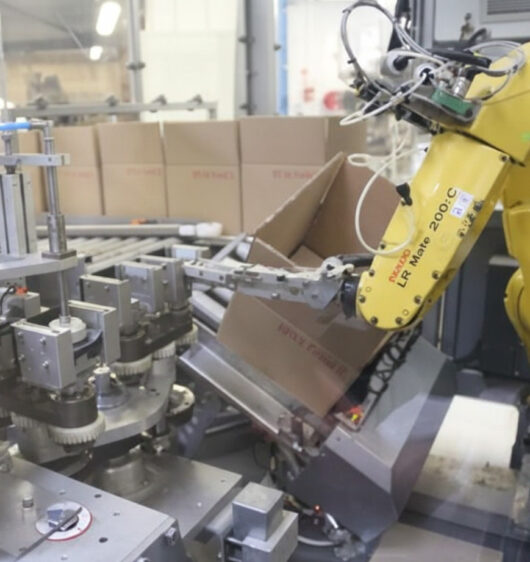
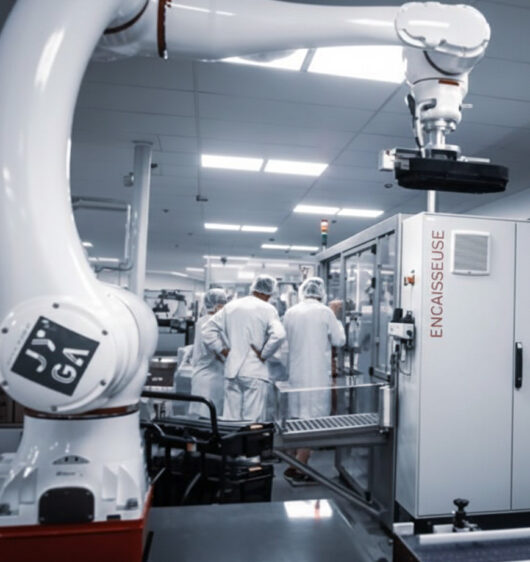
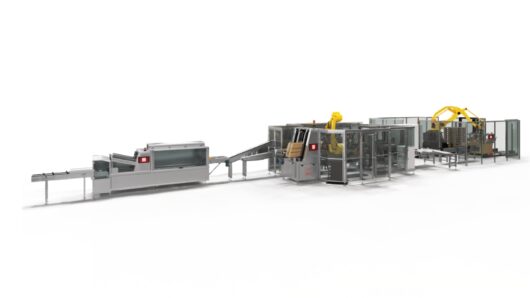
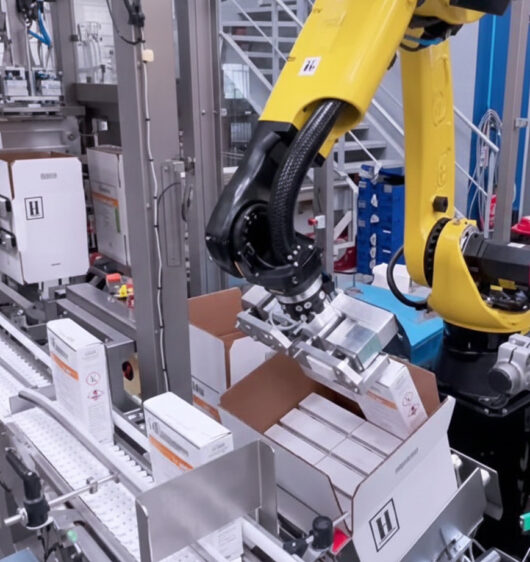
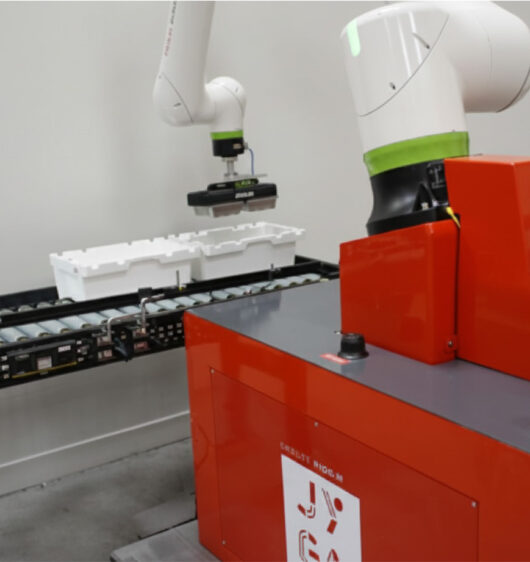
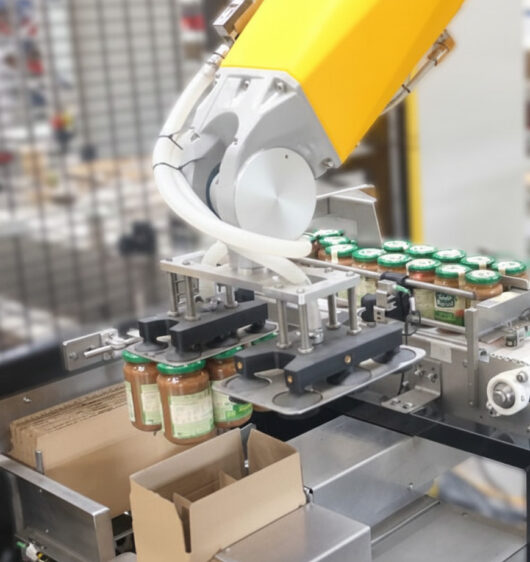
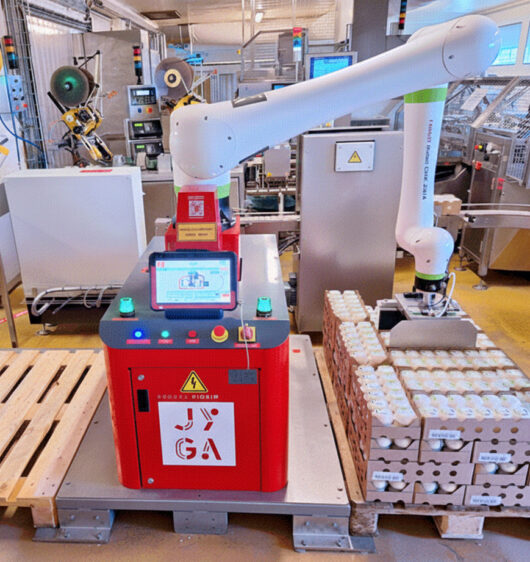
Automated equipment can palletise goods with high precision and repeatability. Automation reduces the risk of manual errors and can increase productivity, helping businesses achieve more reliable and efficient palletising processes.
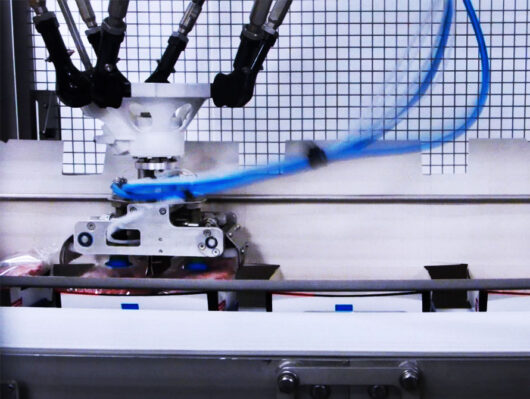
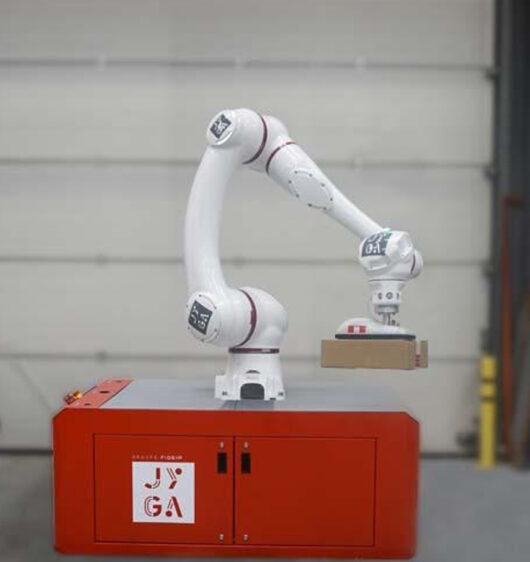
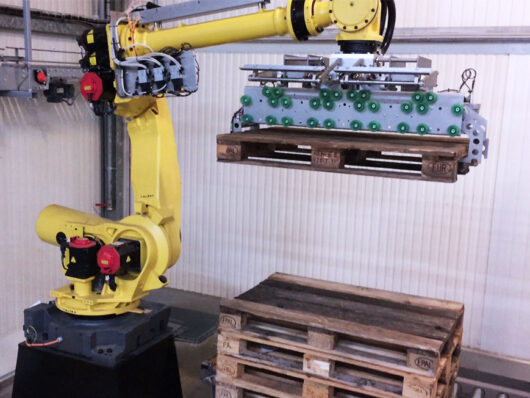
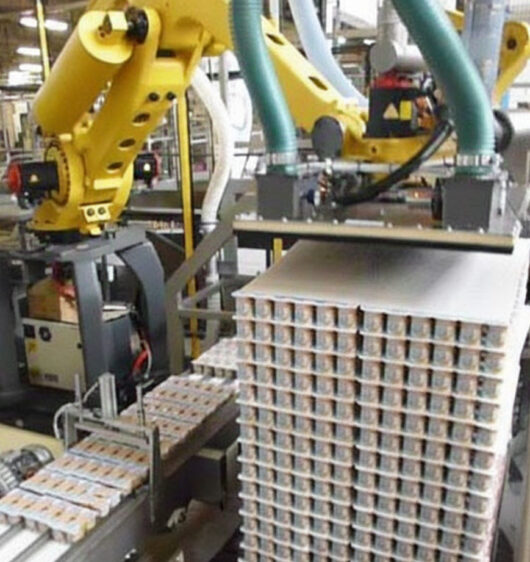
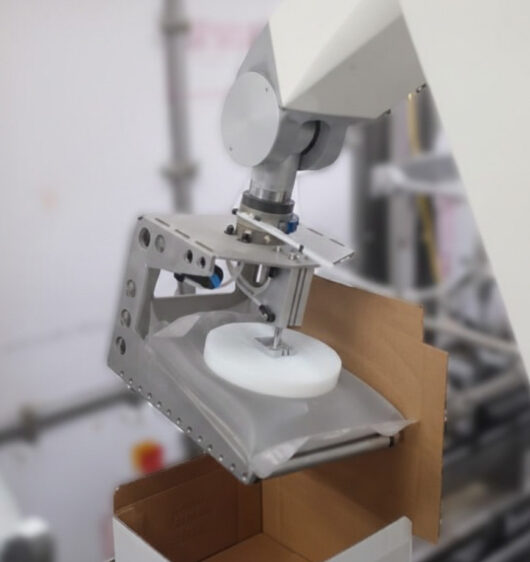
Robotic palletising offers further flexibility. Robotic palletisers can be programmed to handle packaging of different shapes and sizes, making them suitable for a wide range of logistics requirements. They can handle different product types and arrange them efficiently on pallets. This saves time, improves productivity and can reduce the risk of damage to goods.
By adopting automated palletising techniques, businesses can improve logistics processes and operational efficiency. This can reduce costs, improve service quality and support customer satisfaction.
By following these principles and choosing equipment suited to your requirements, you can create safer and more efficient pallet loads. Adapt the recommendations to your specific products and logistics constraints, and introduce internal procedures to maintain palletising quality and safety.
Aurélie DUPONTCase Packing Division Manager

Would you like to know more? Find everything you need to know here, and much more!