Our products
Top-Load Carton Case Packing
They trust us






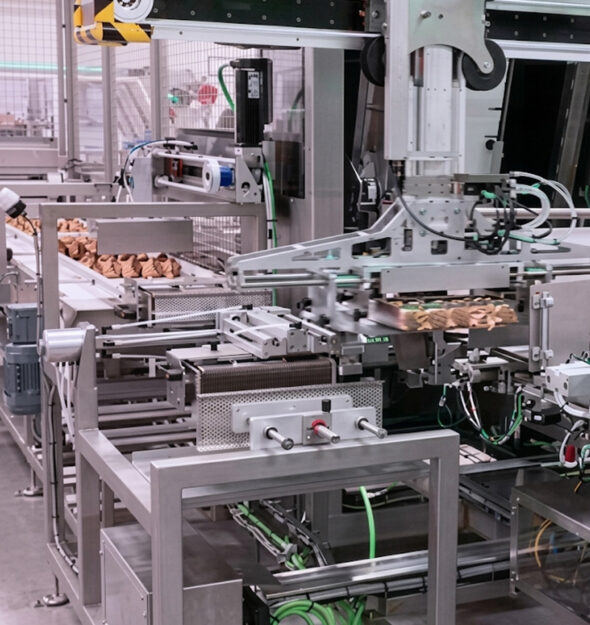
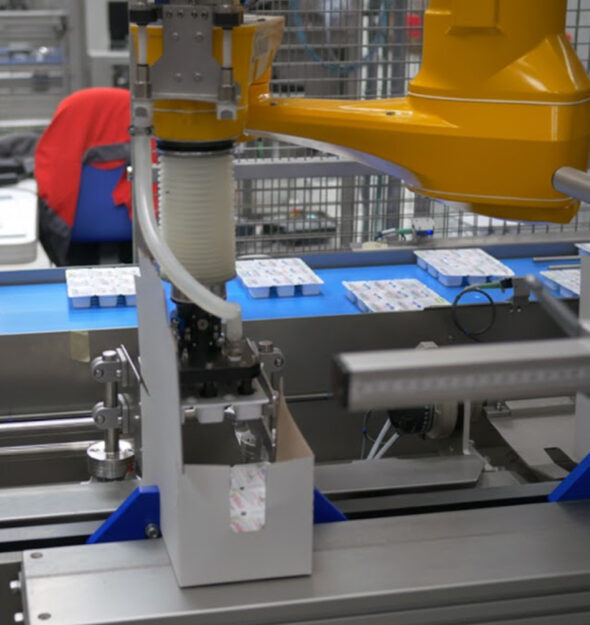
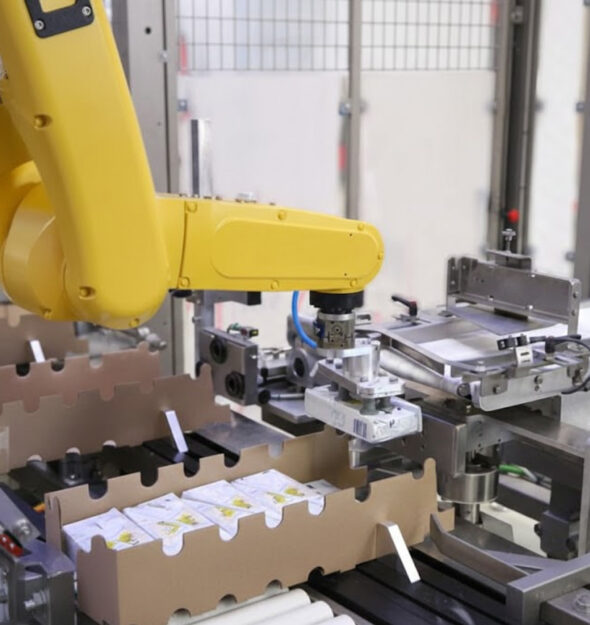
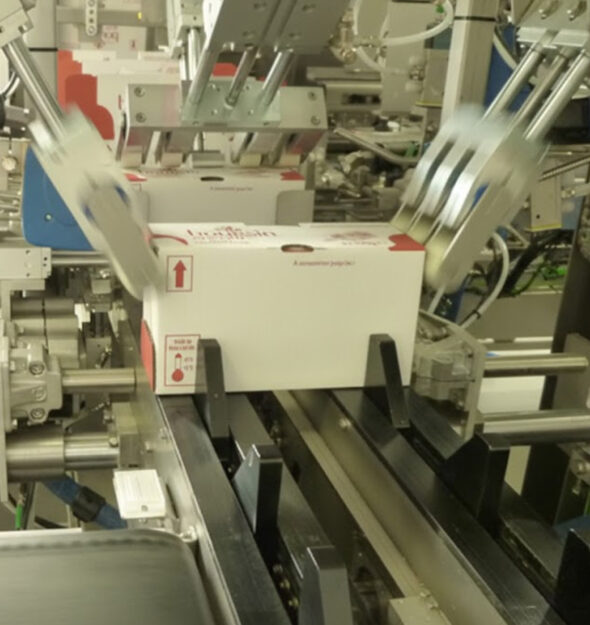
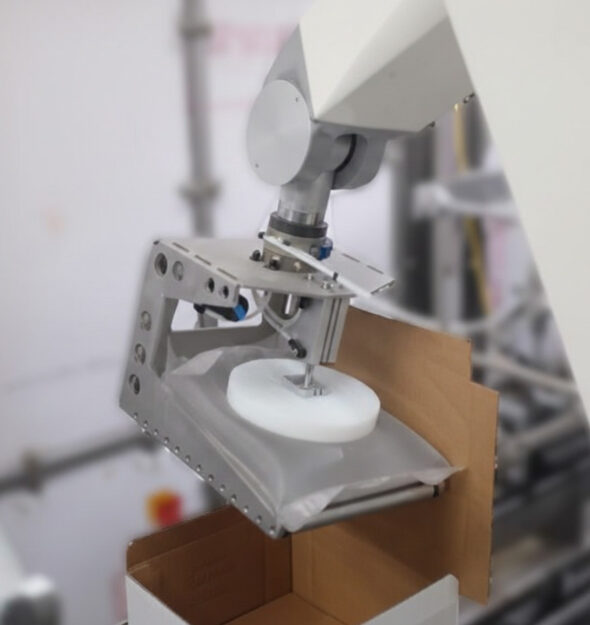
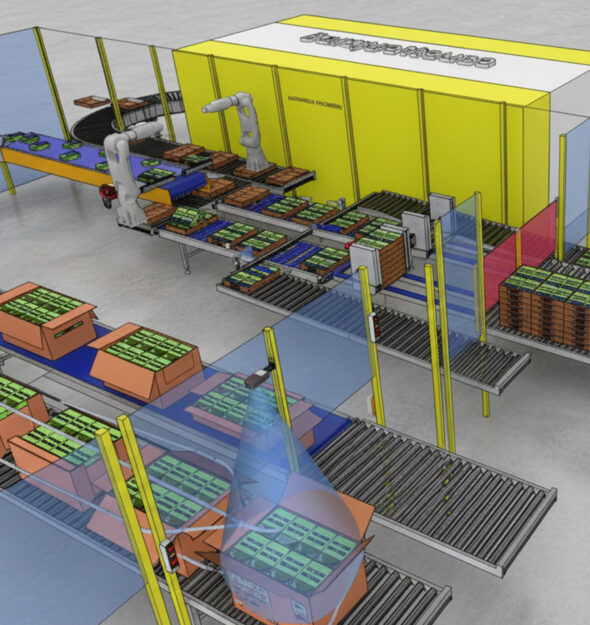
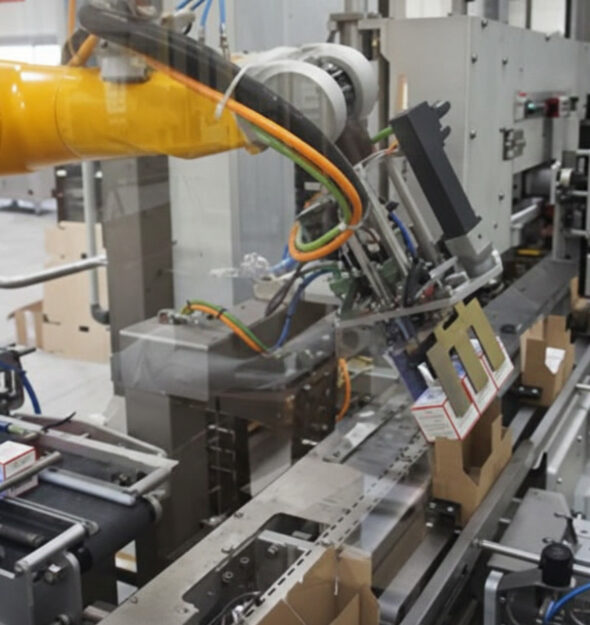
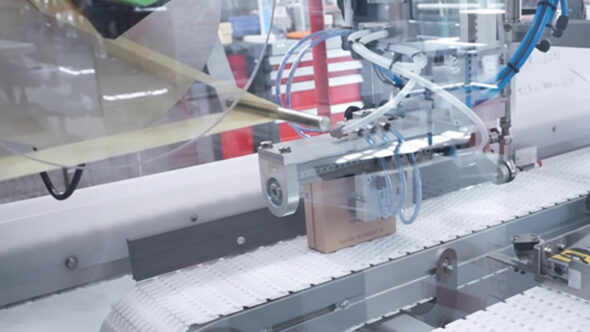
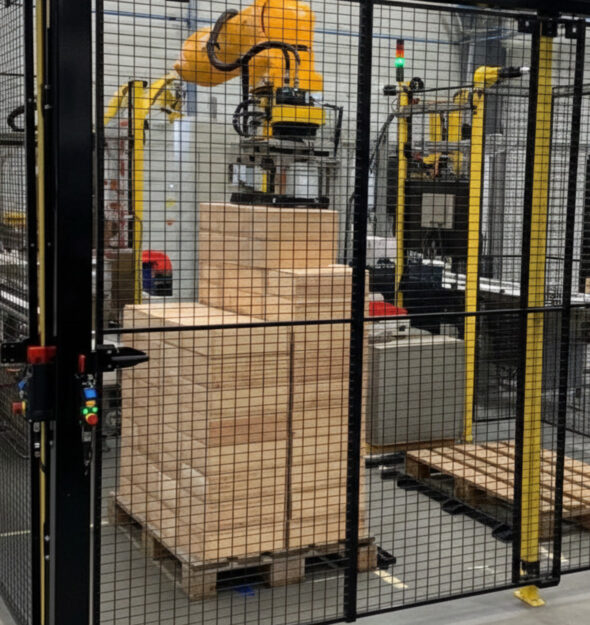
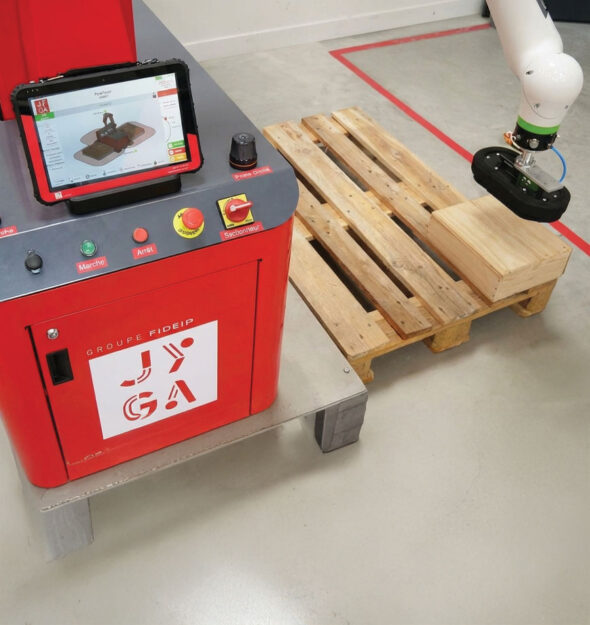
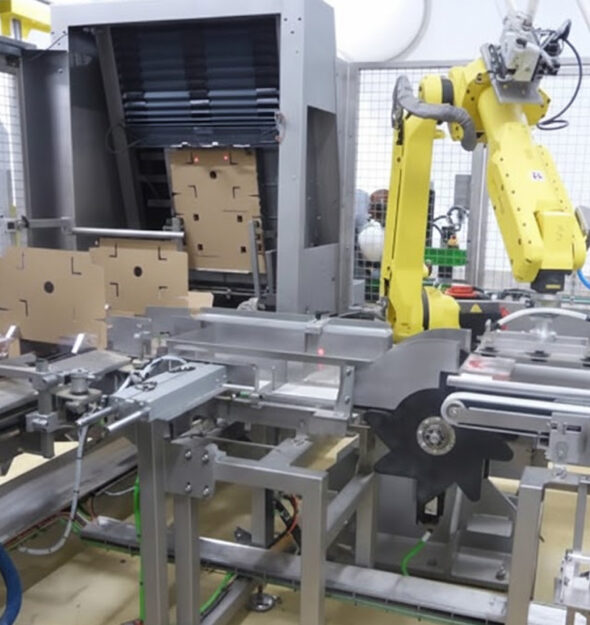
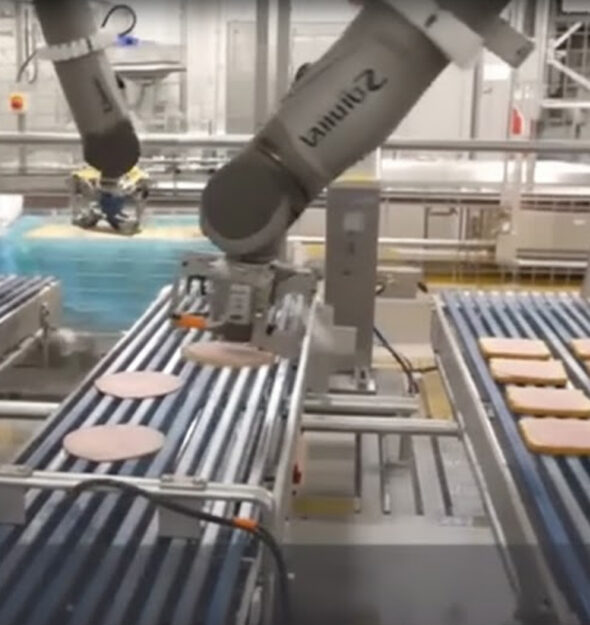
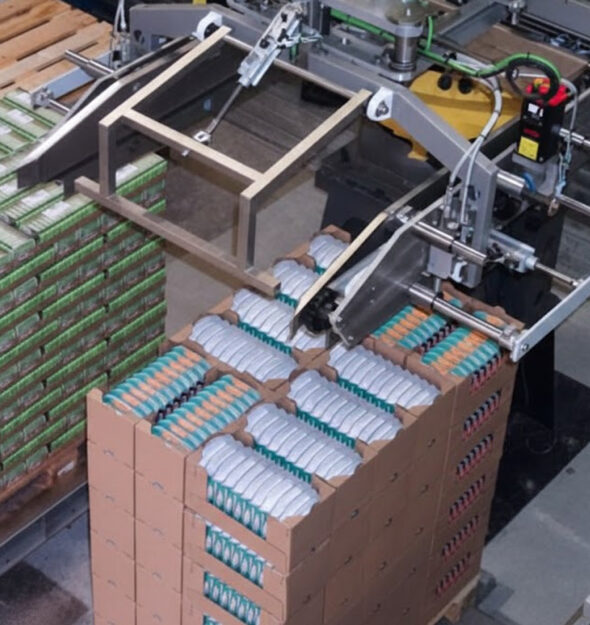
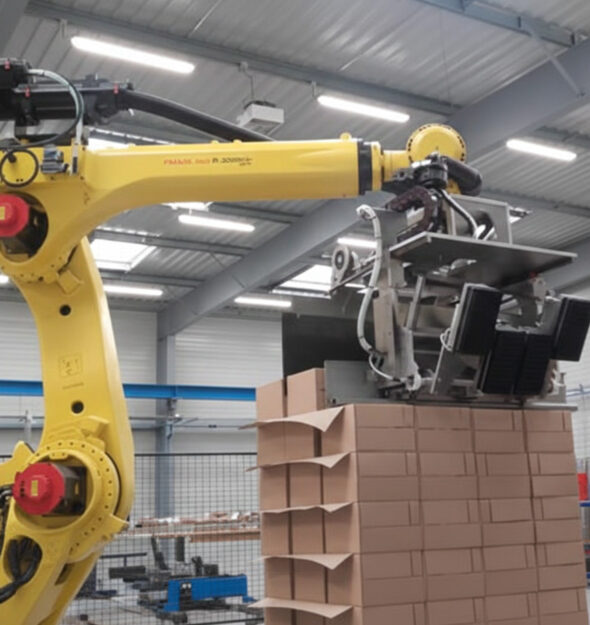
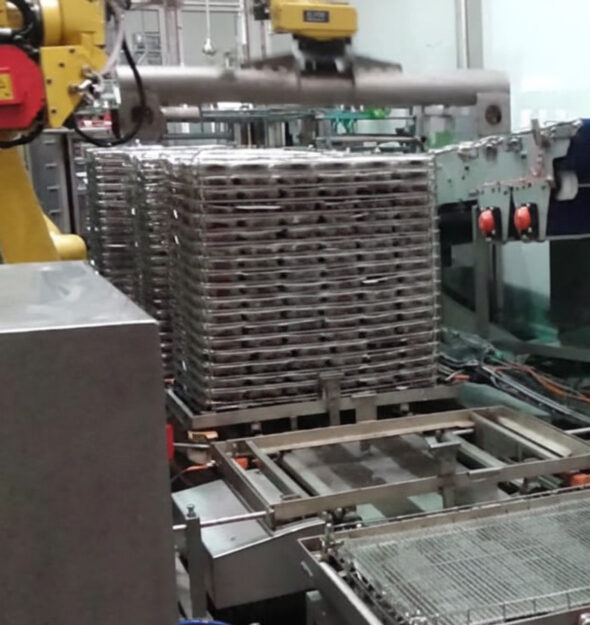
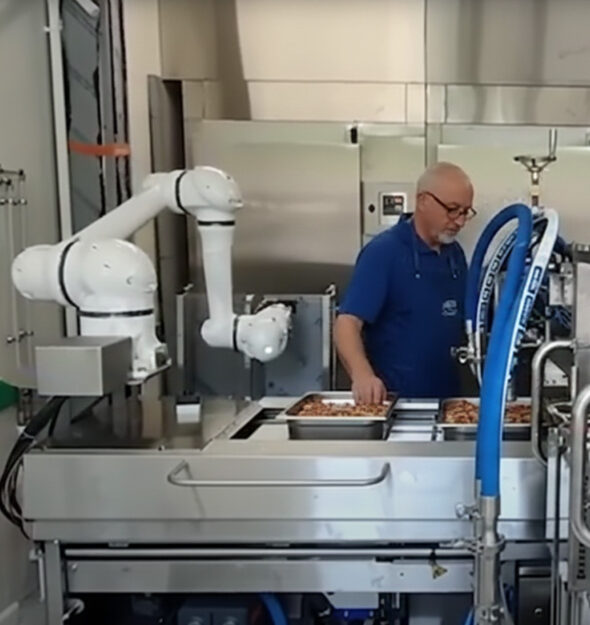
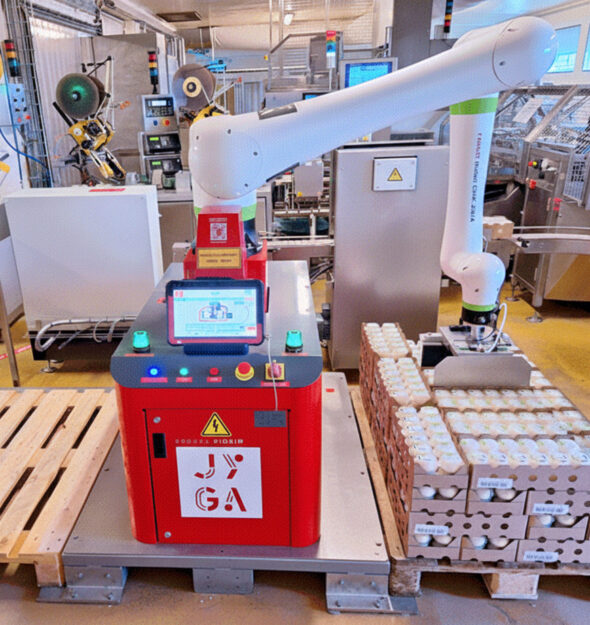
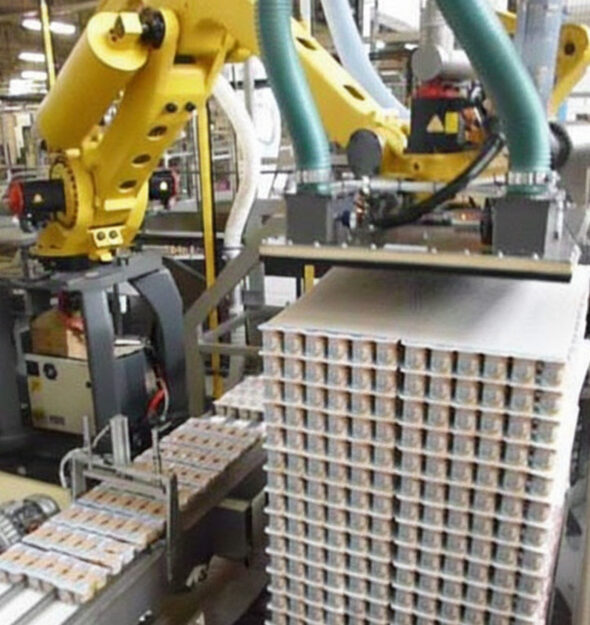
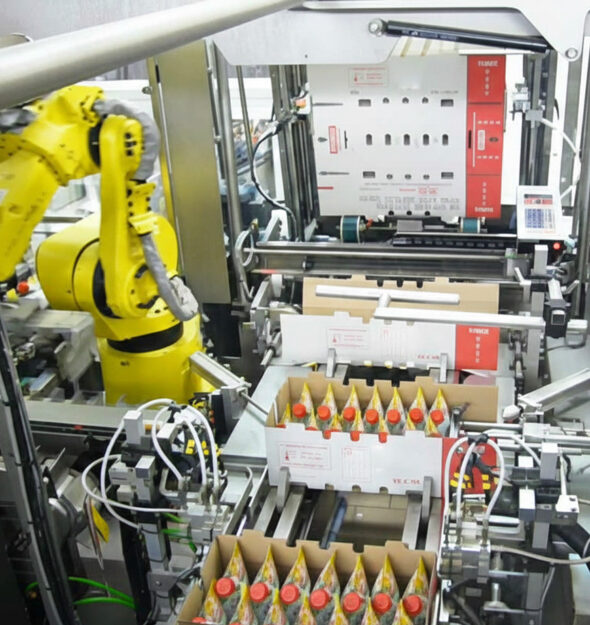
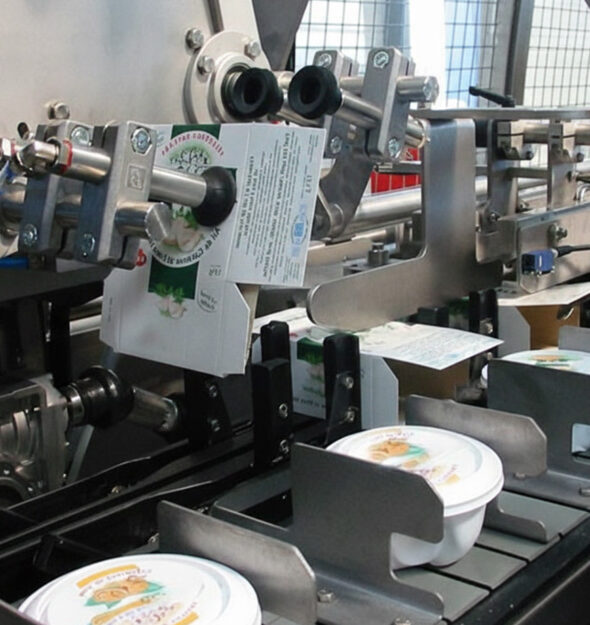
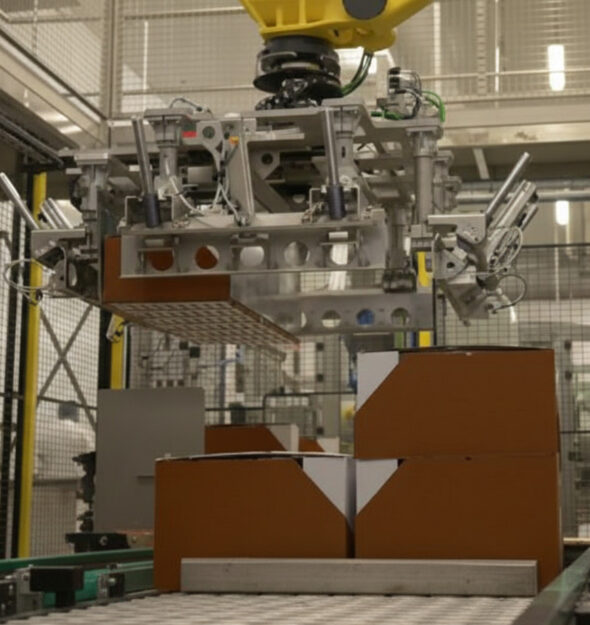
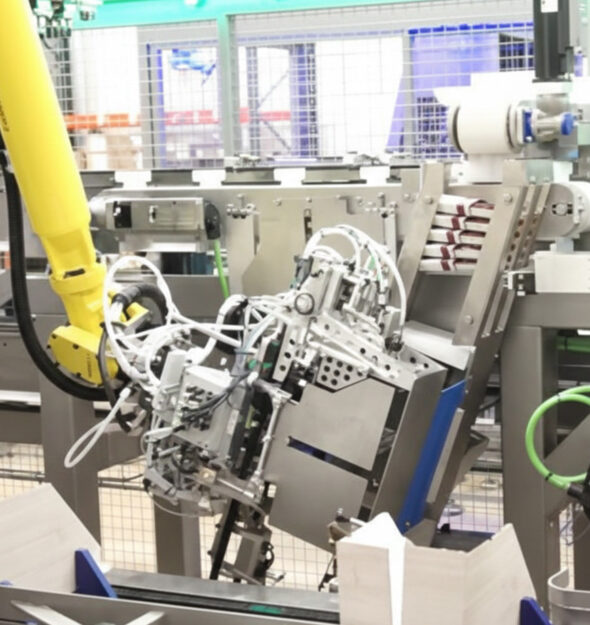
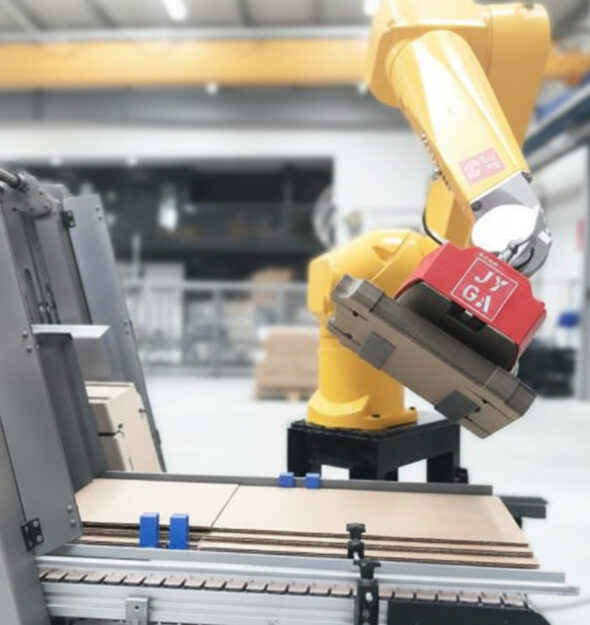
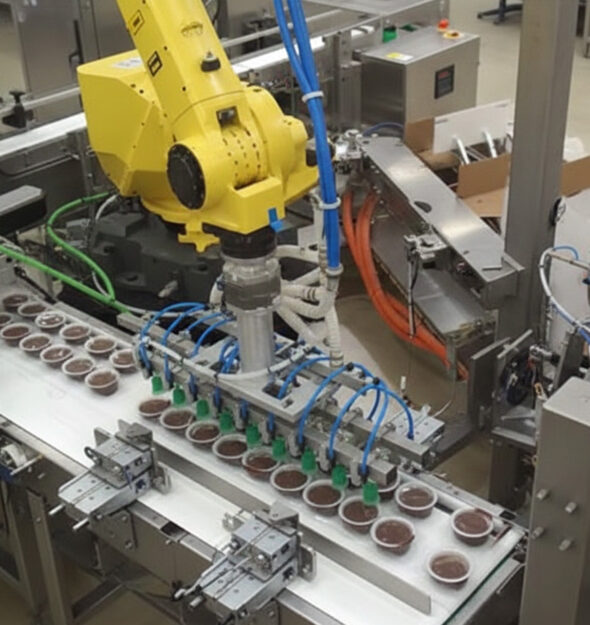
Our latest projects in packaging and palletizing of Top-Load Cartons











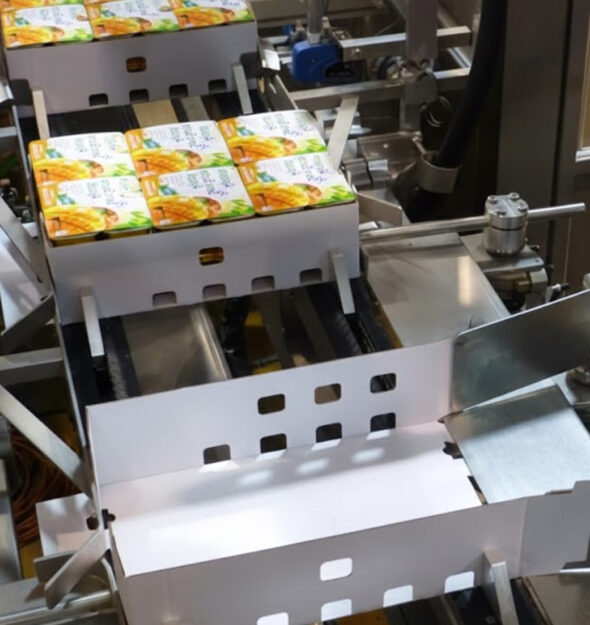

Our compatible machines
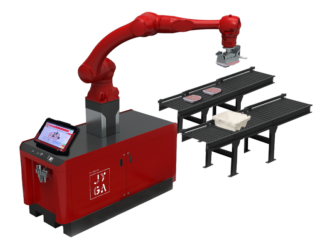
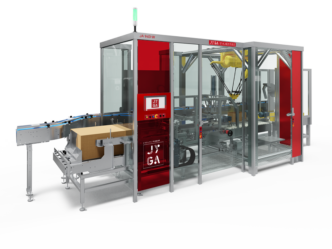
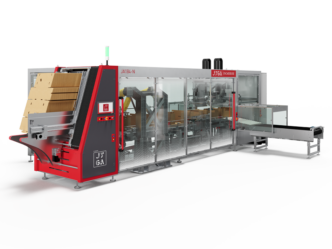
Design, manufacture and installation of complete lines for top-load cartons
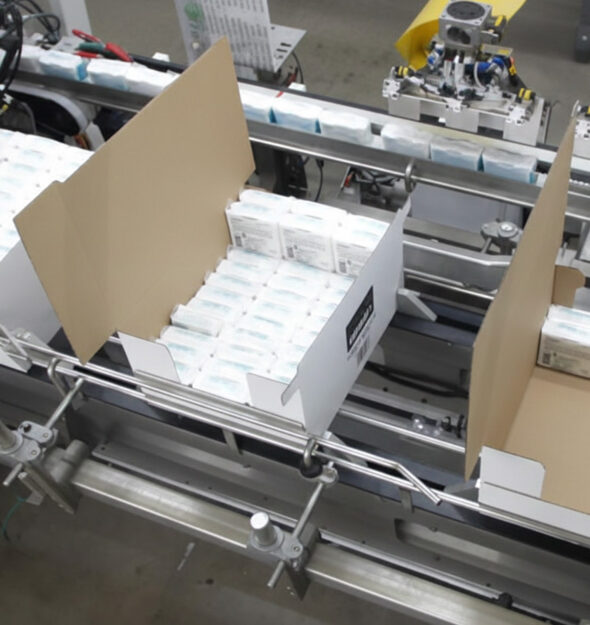
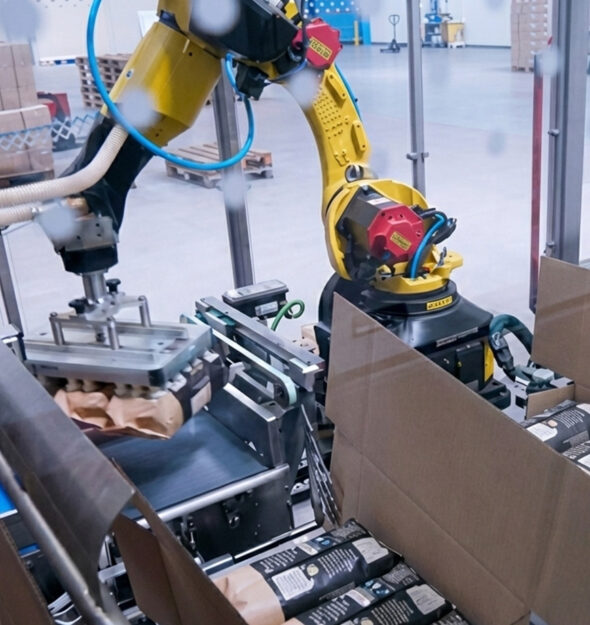
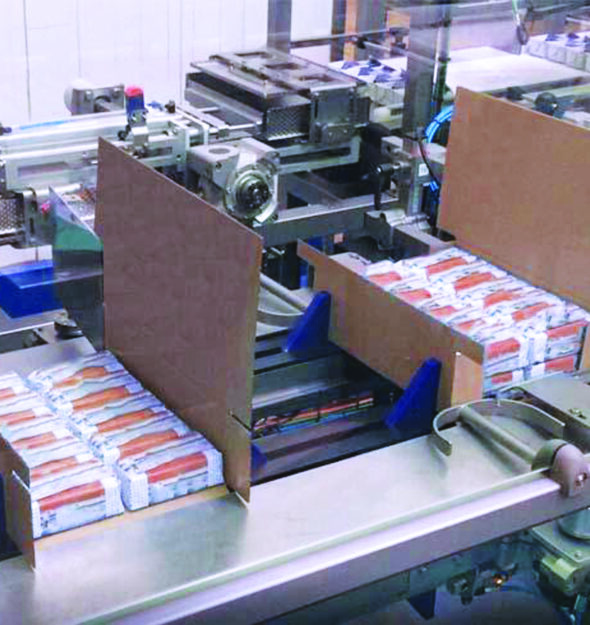
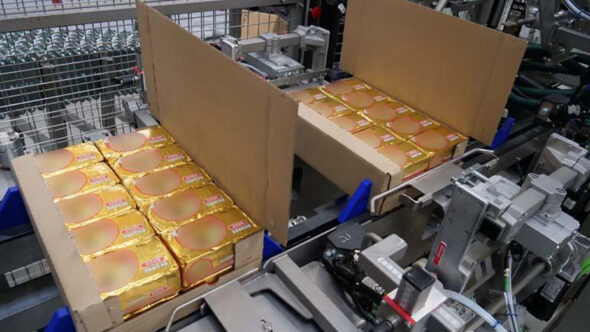
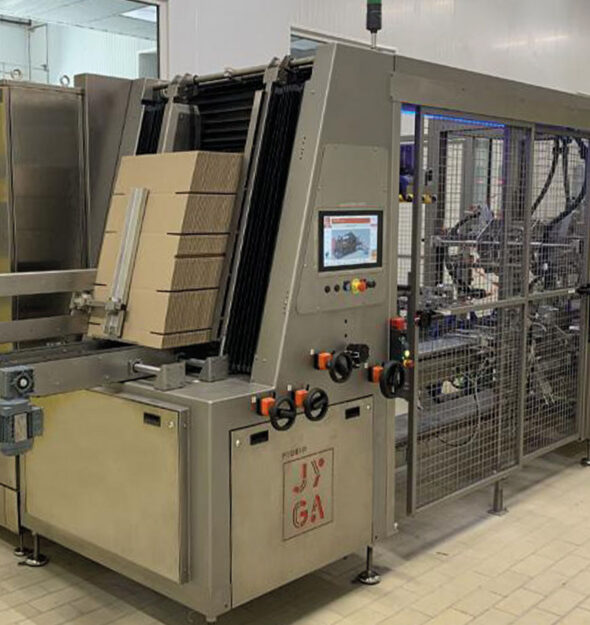
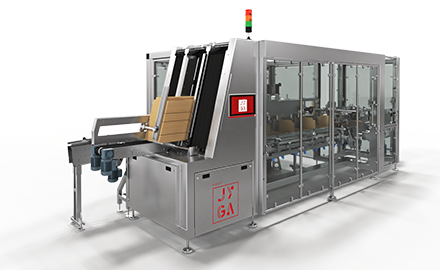
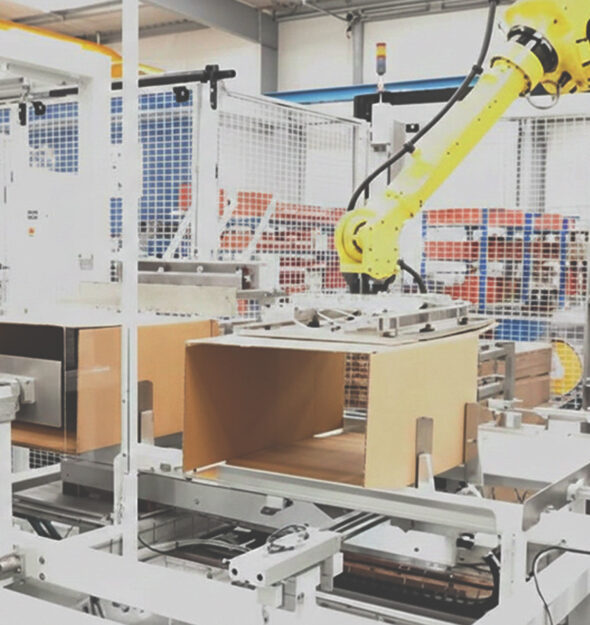
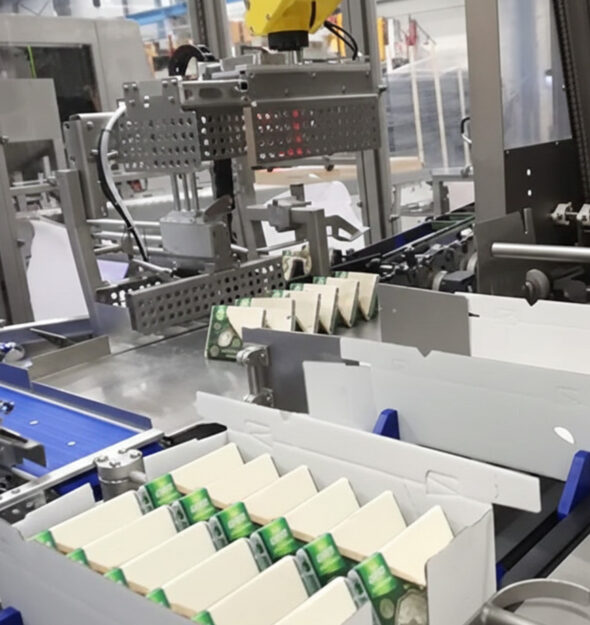
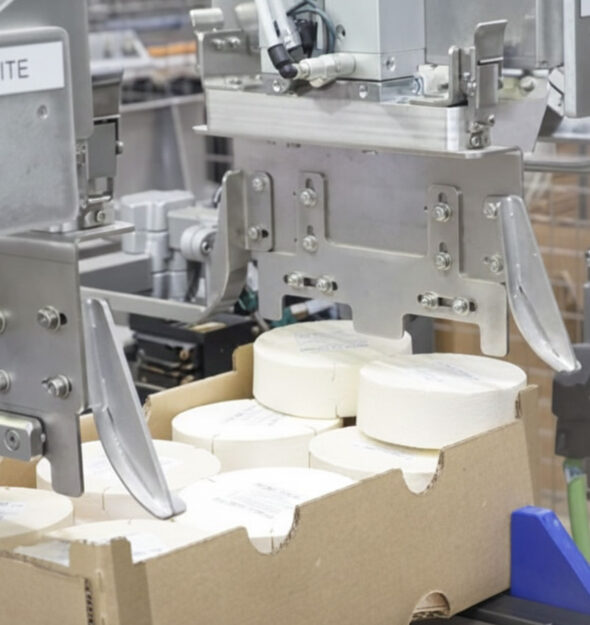
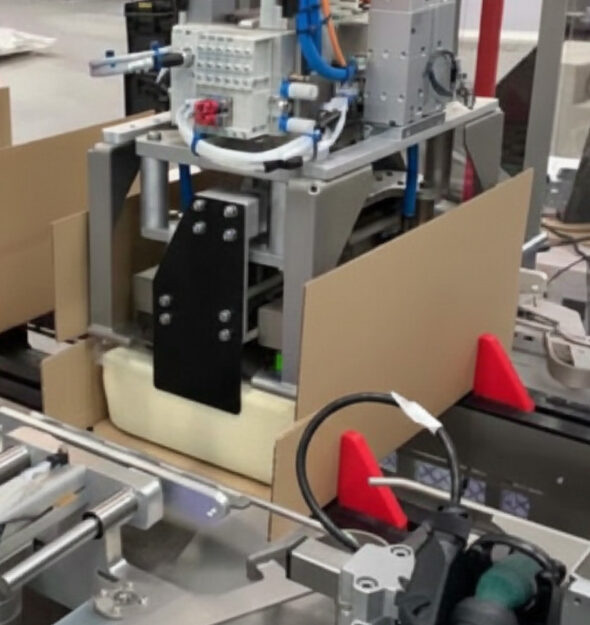
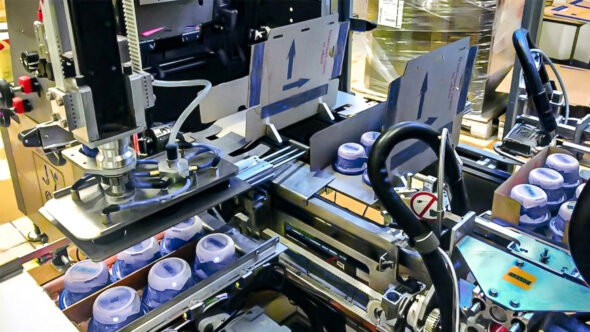
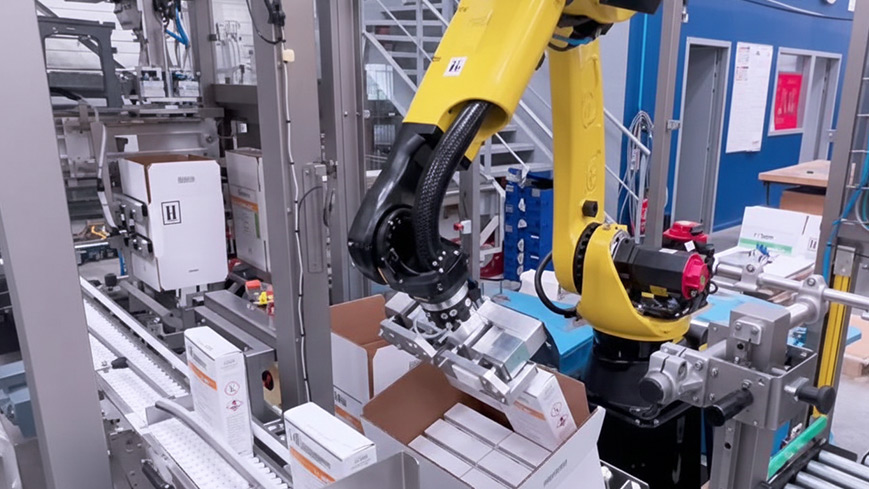
JYGA designs packaging lines dedicated to top-load cartons, with products loaded from above. This configuration is suitable for projects requiring precise placement into the carton, controlled product positioning or adaptation to multiple formats.
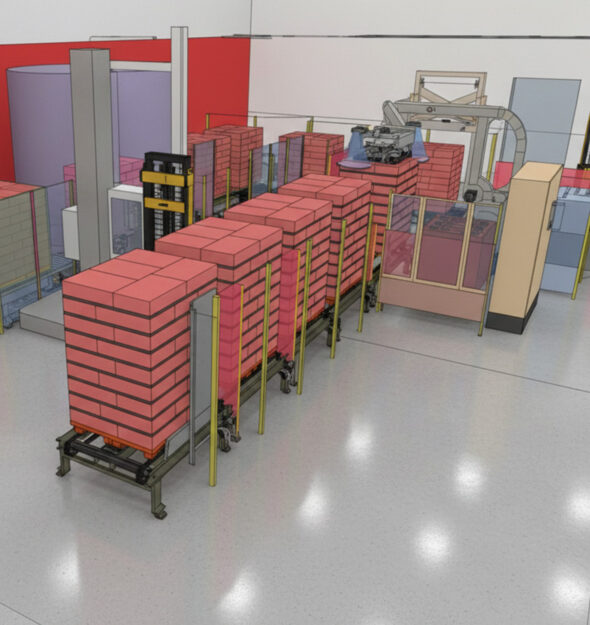
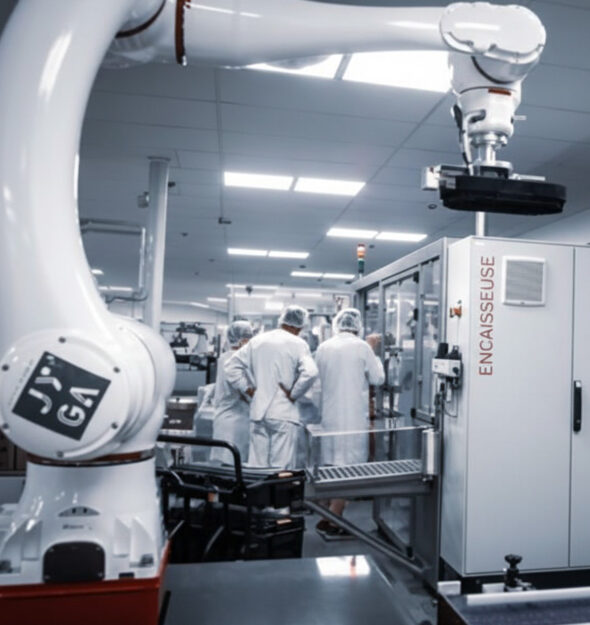
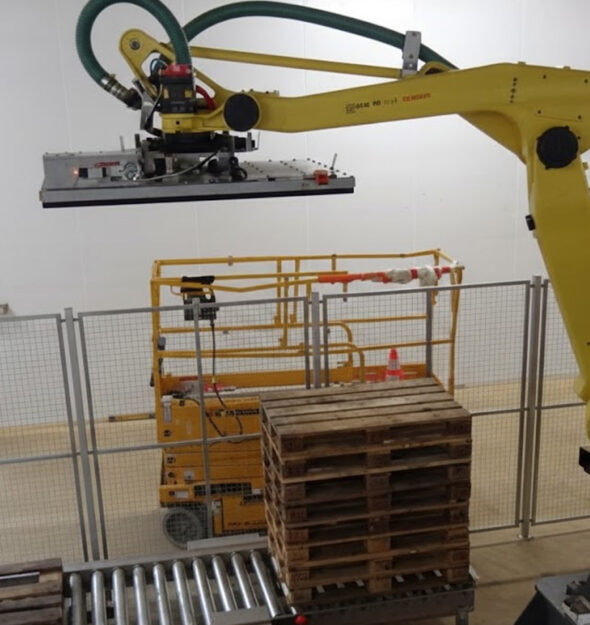
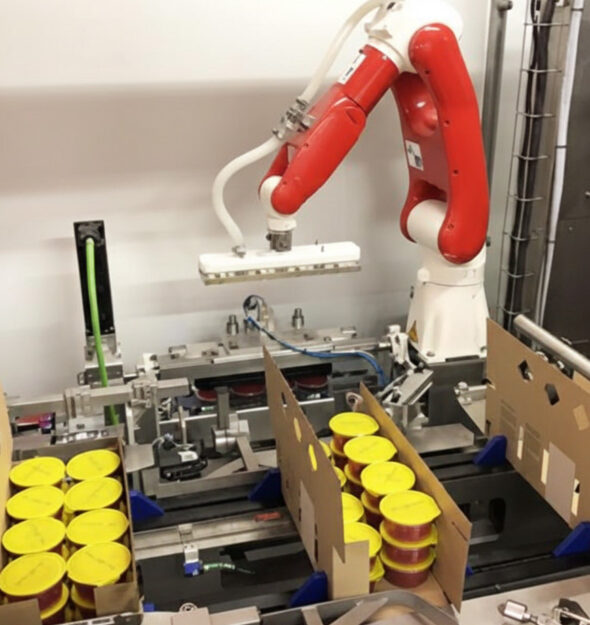
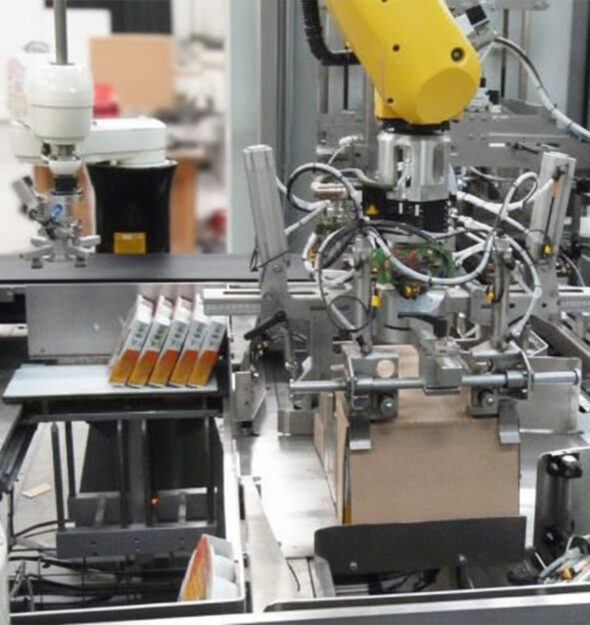
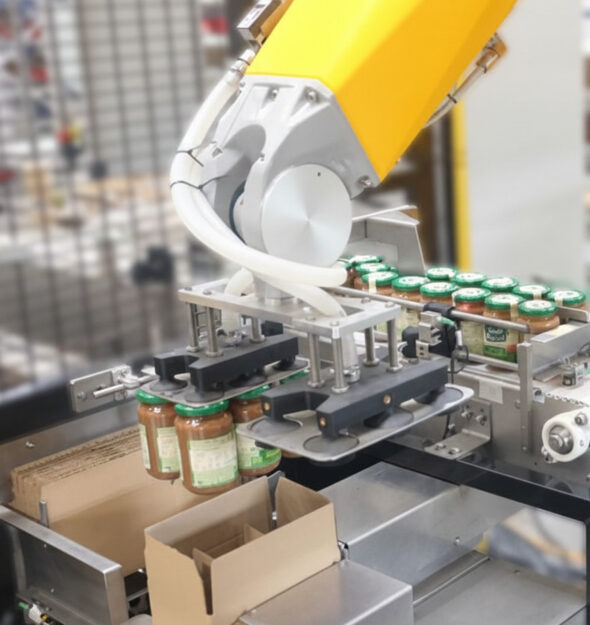
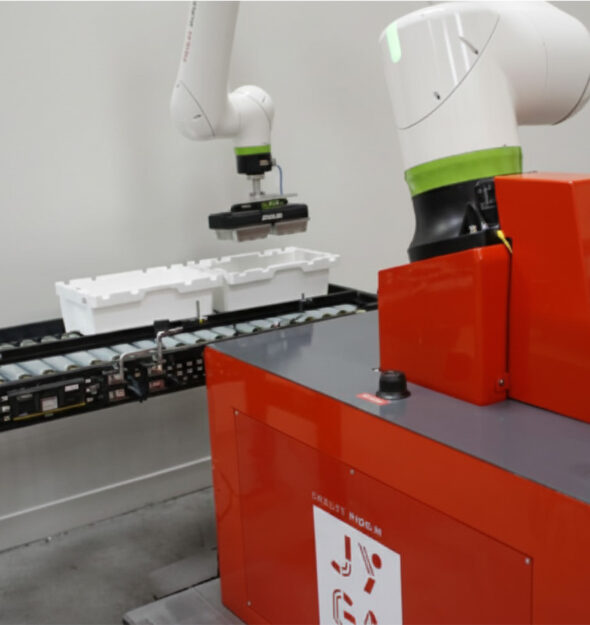
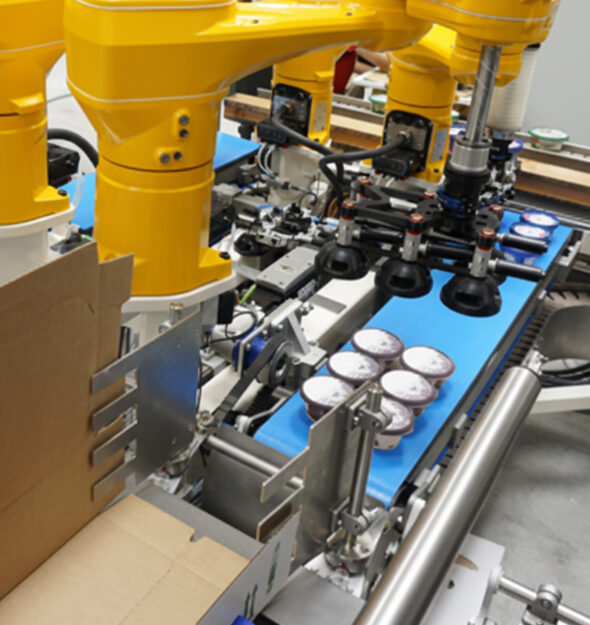
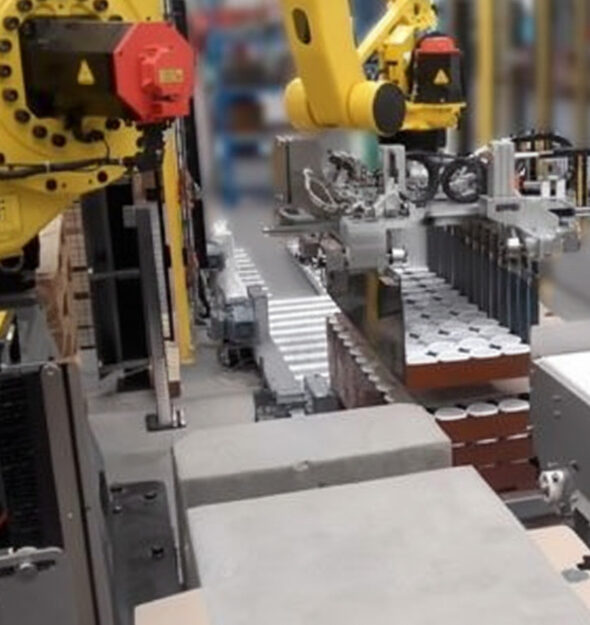
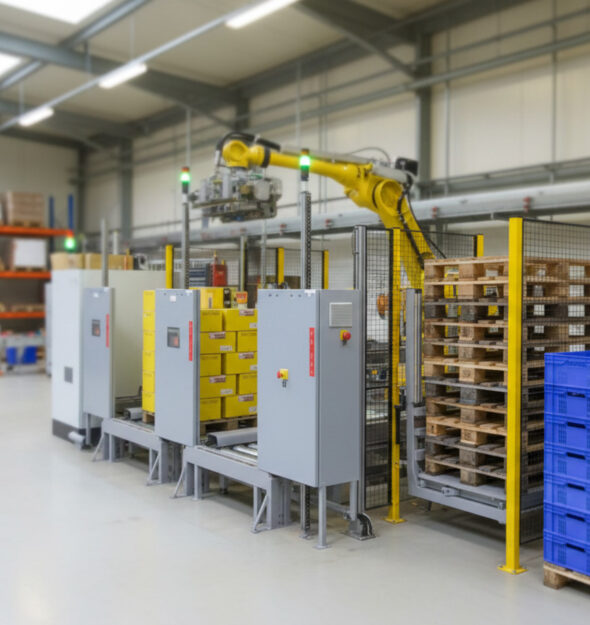
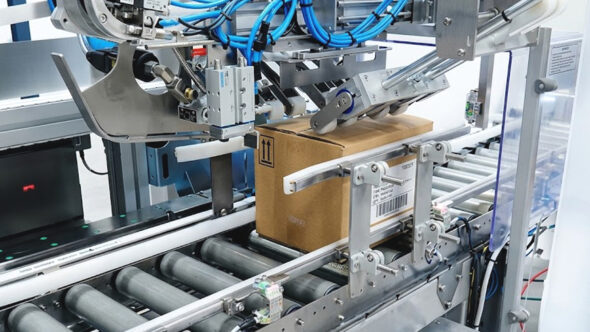
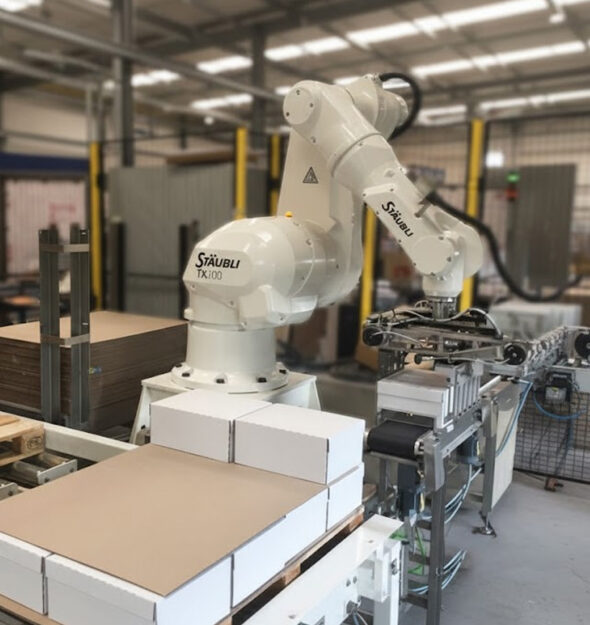
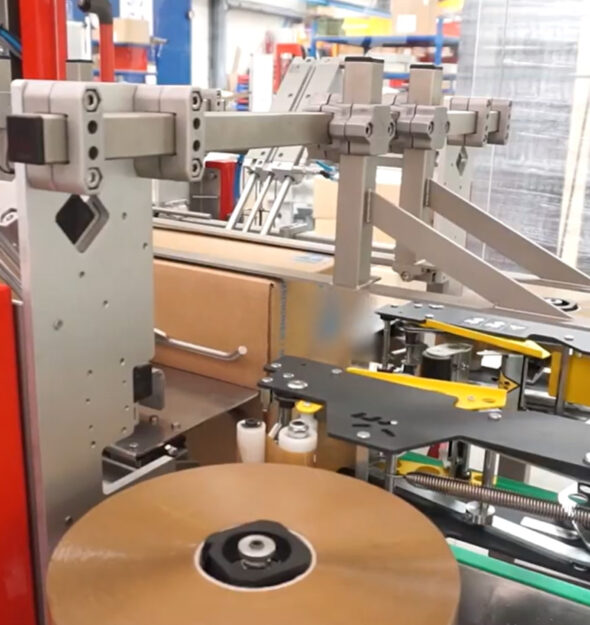
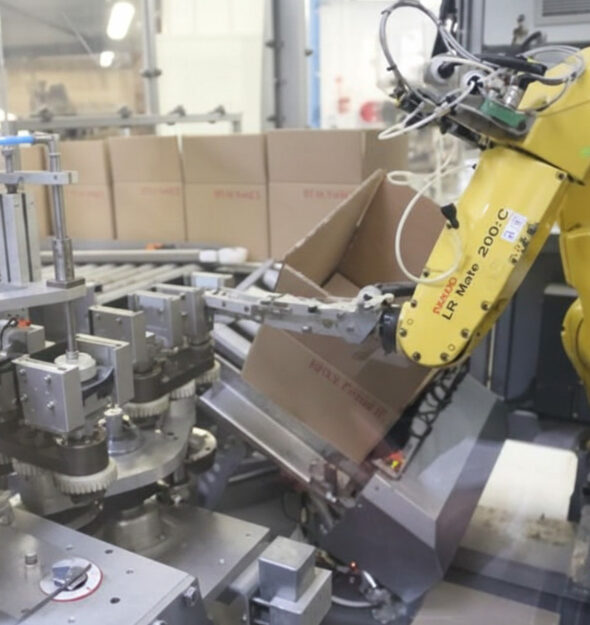
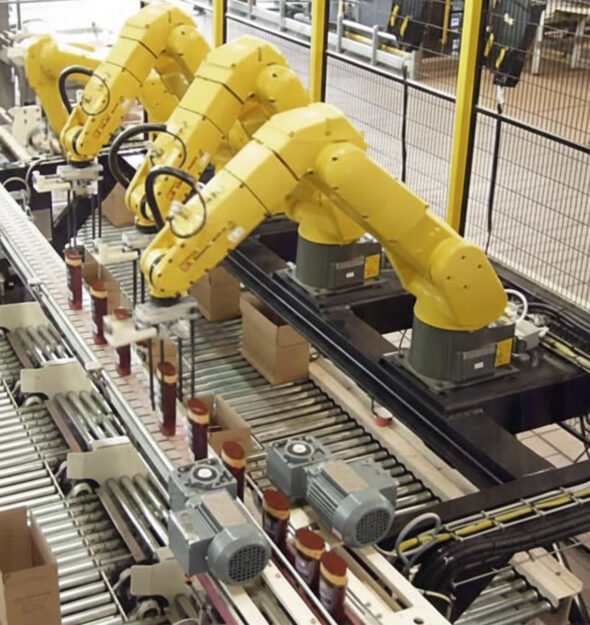
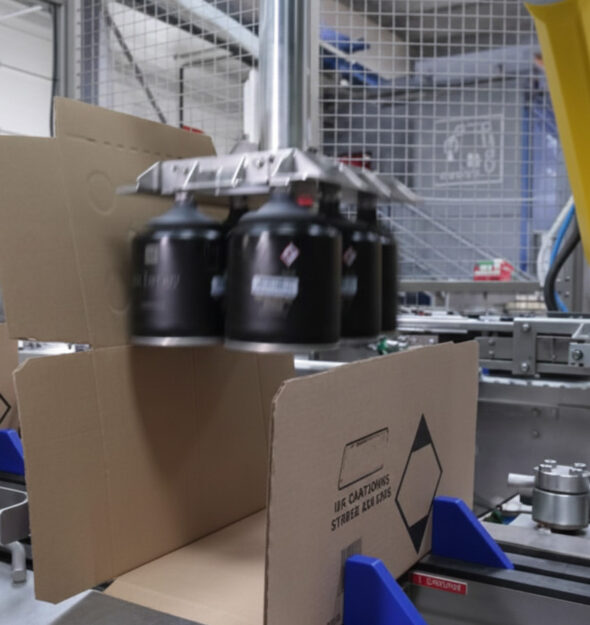
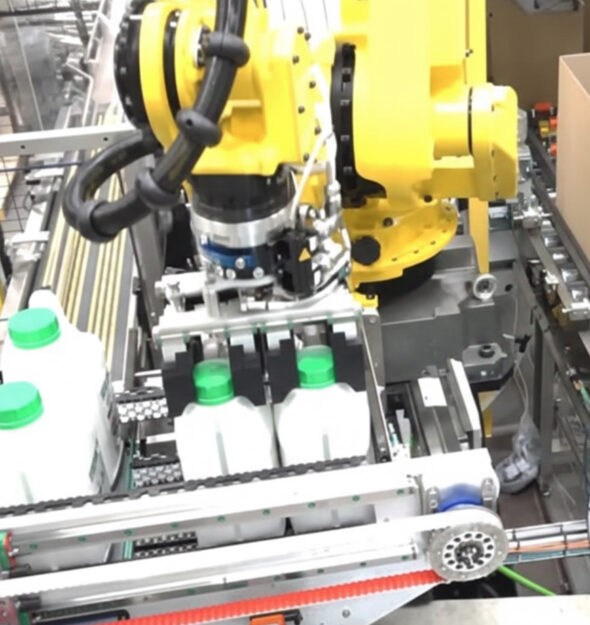
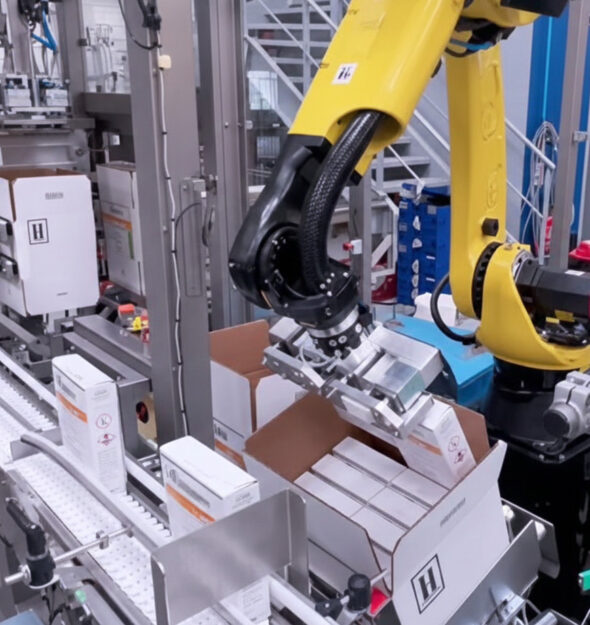
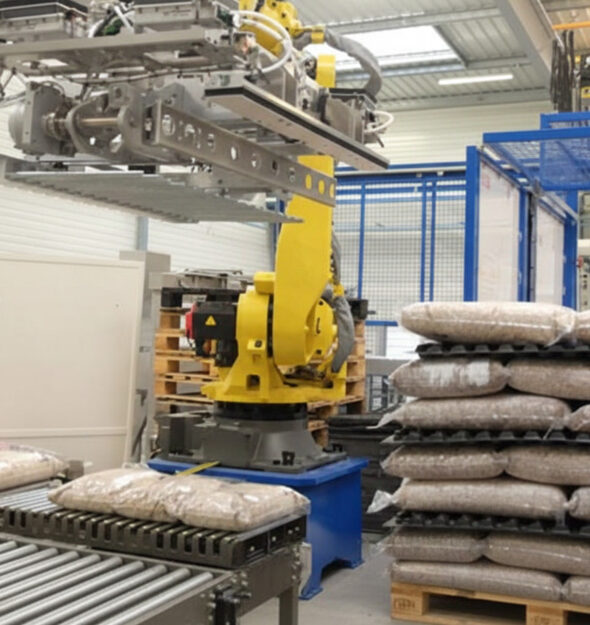
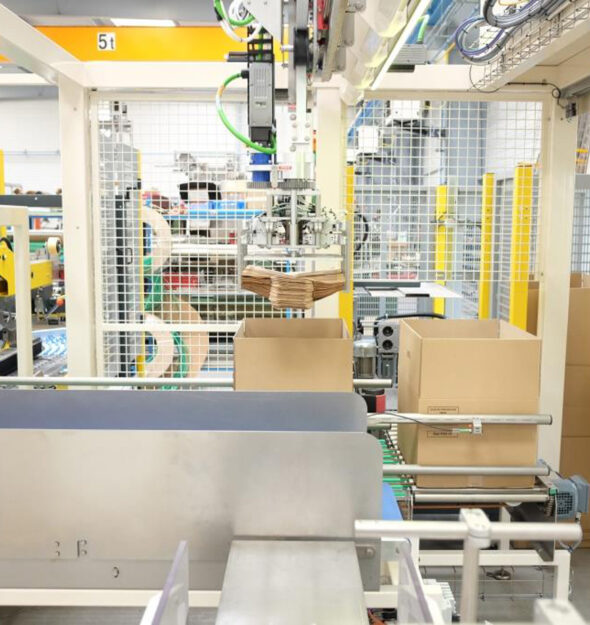
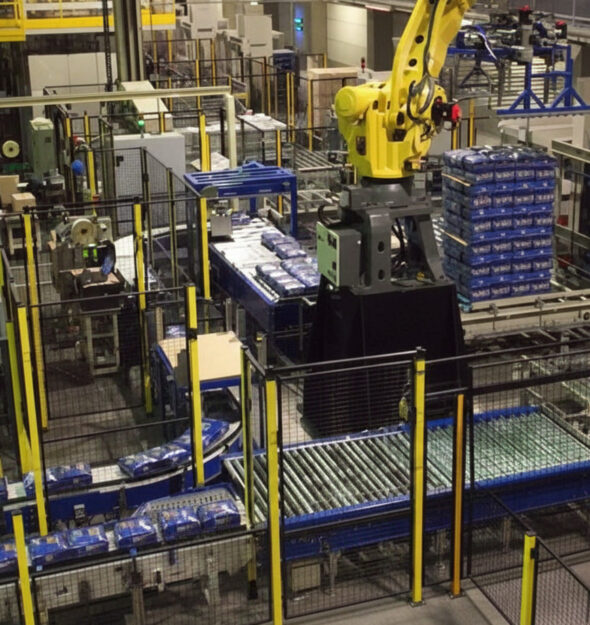
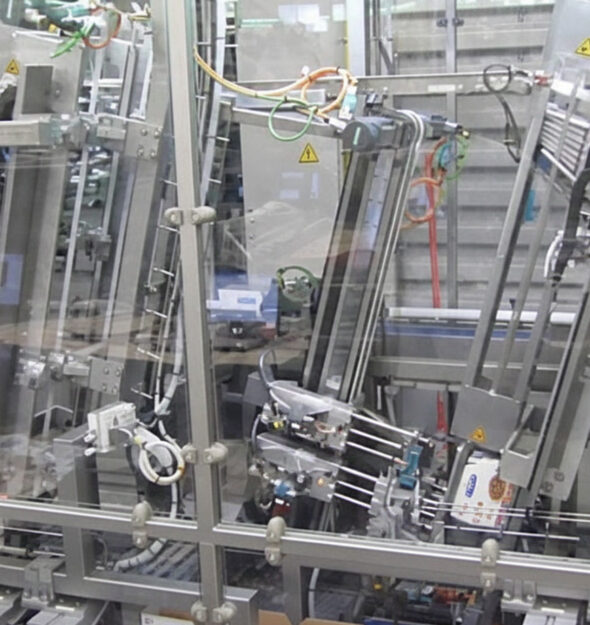
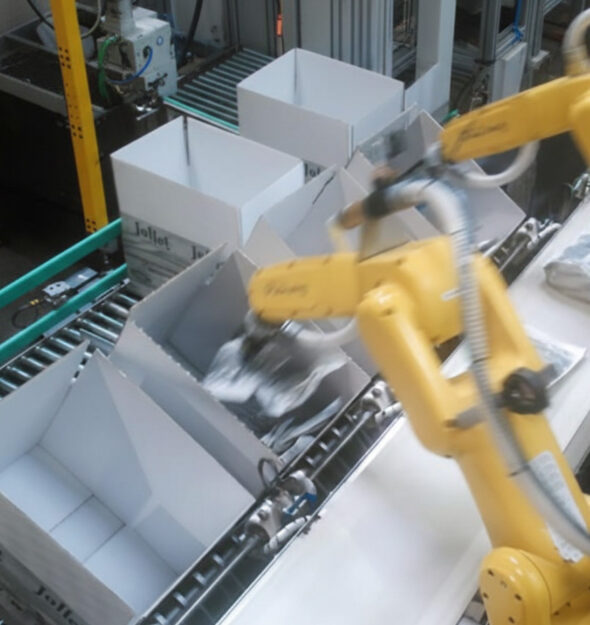
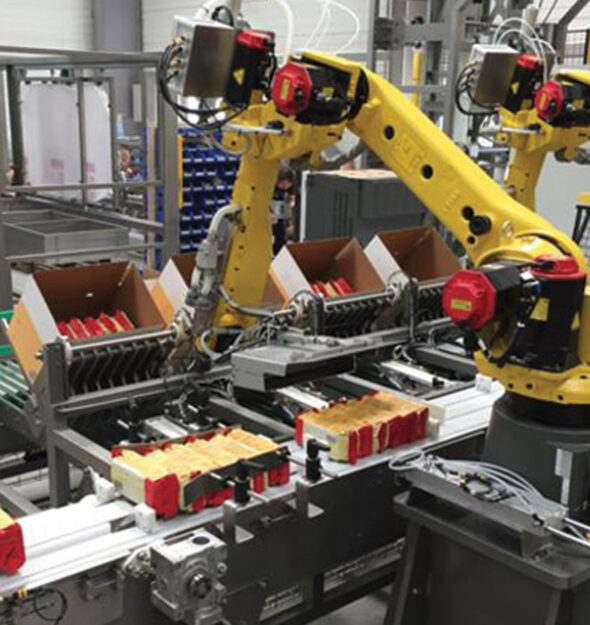
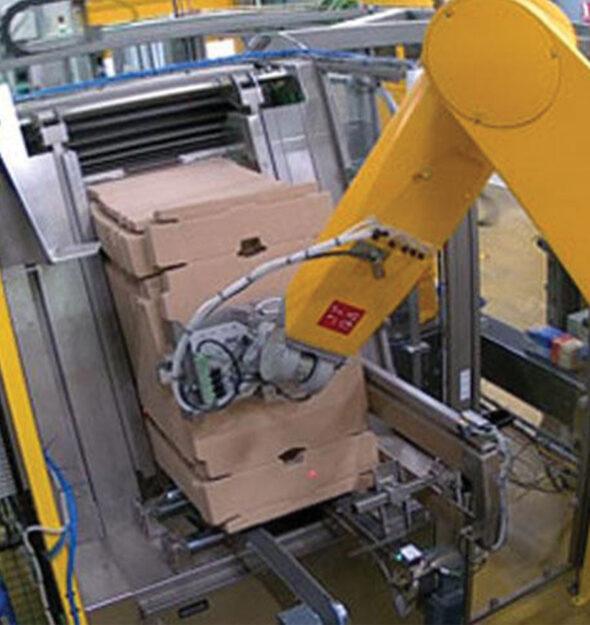
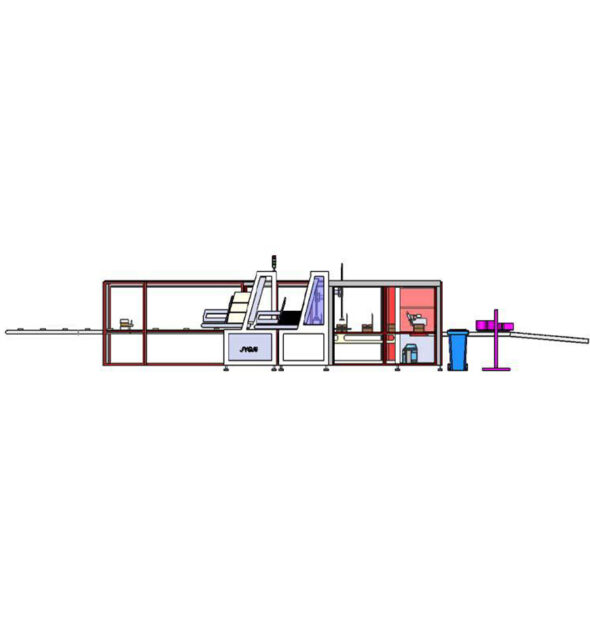
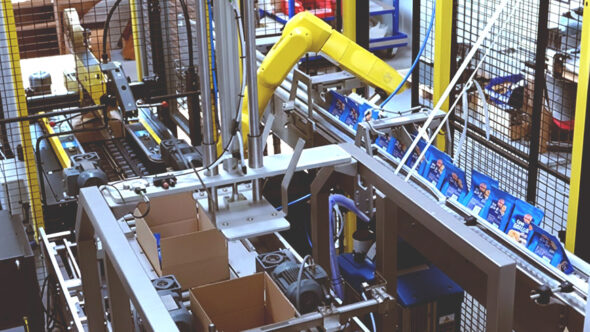
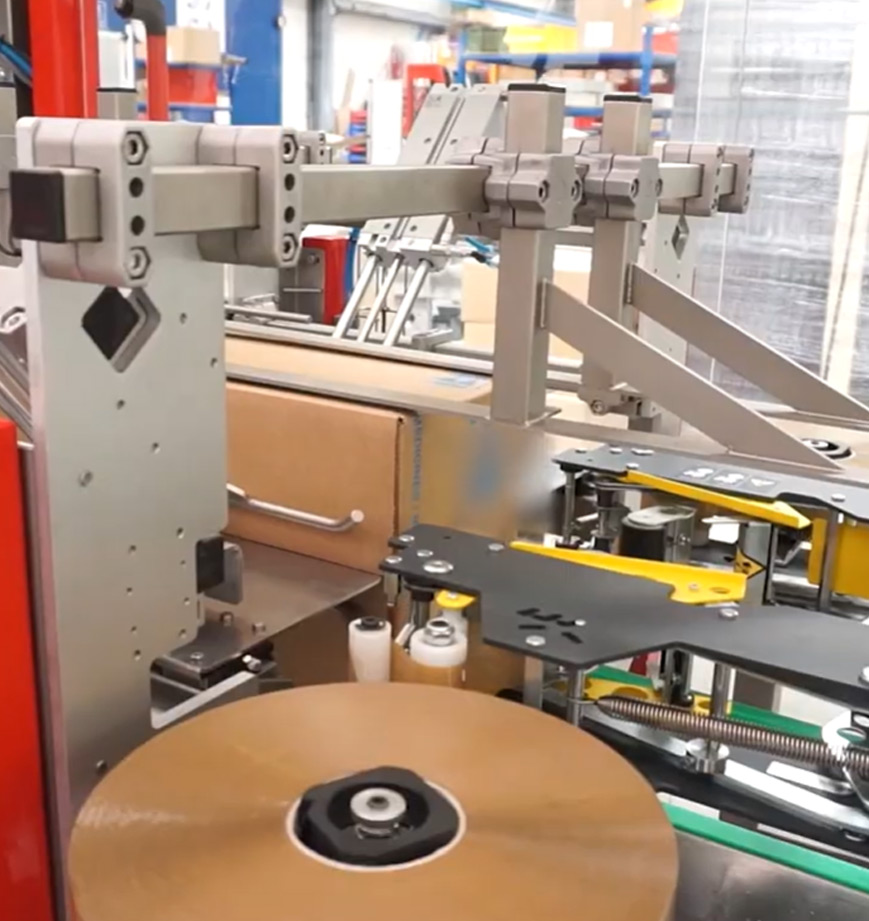
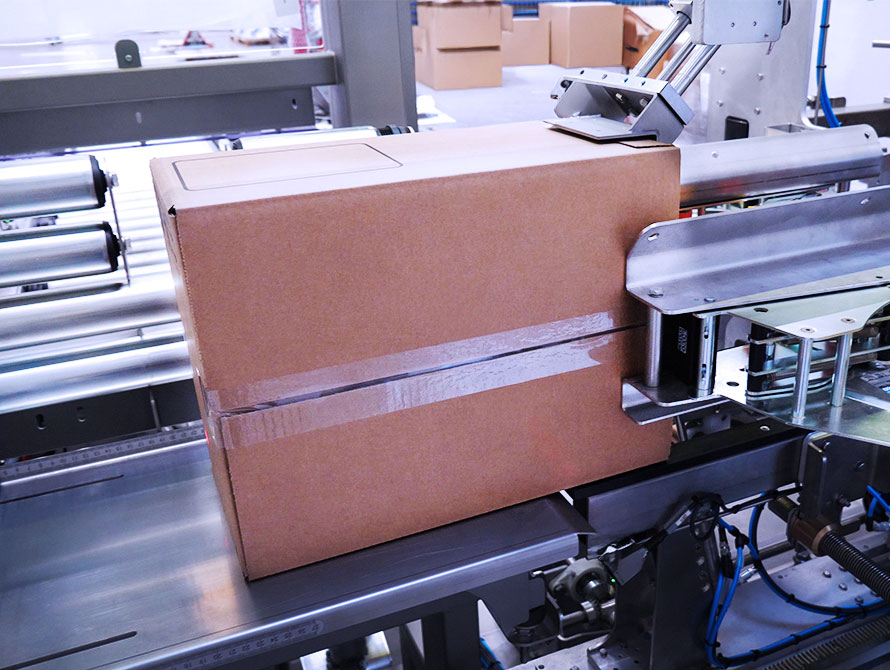
Depending on your requirements, the line can integrate carton forming from flat cardboard blanks, robotic loading, closing by gluing or mechanical locking, followed by end-of-line operations: inspection, labelling, case packing and palletising.
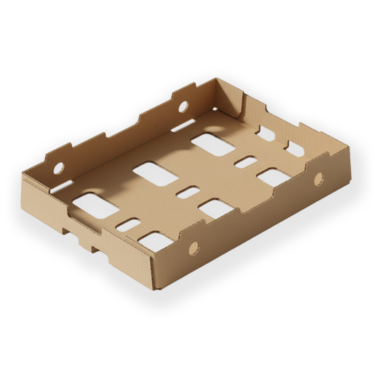
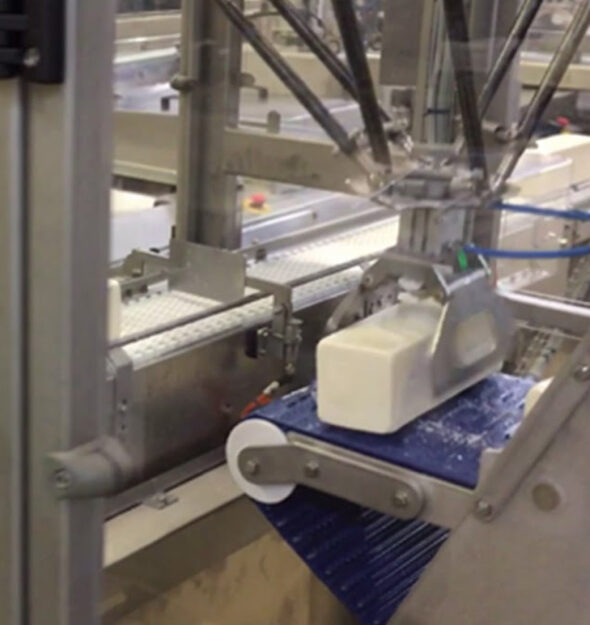
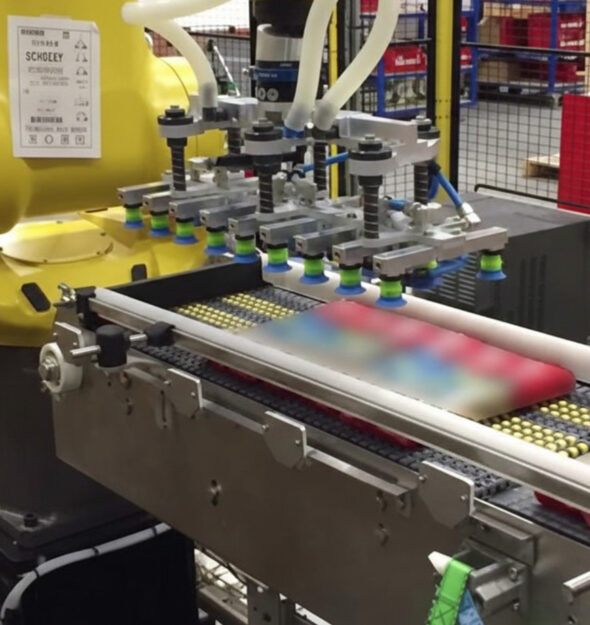
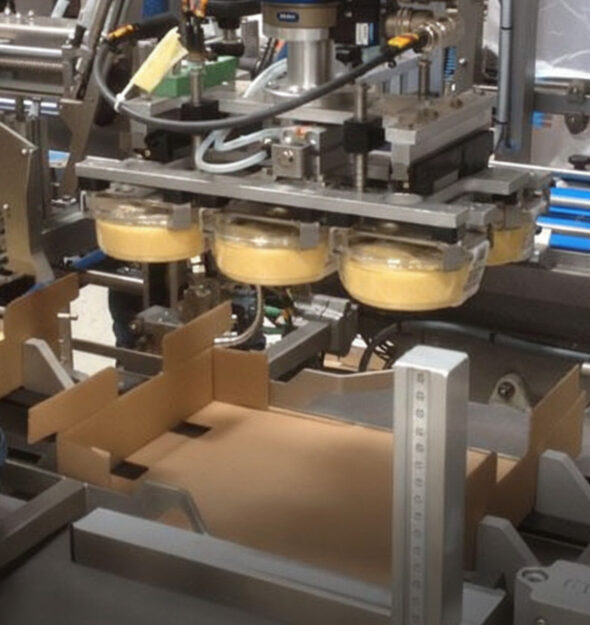
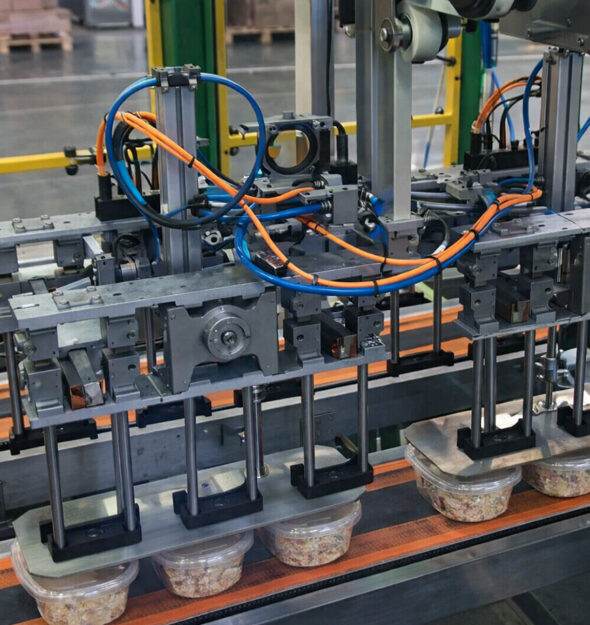
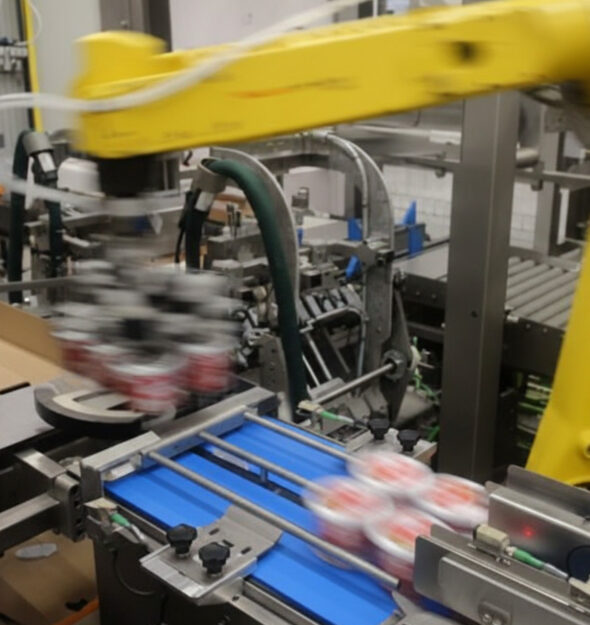
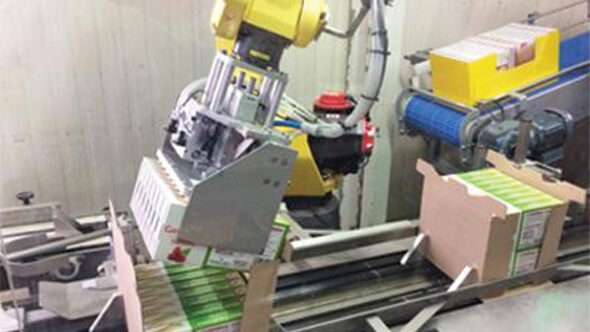
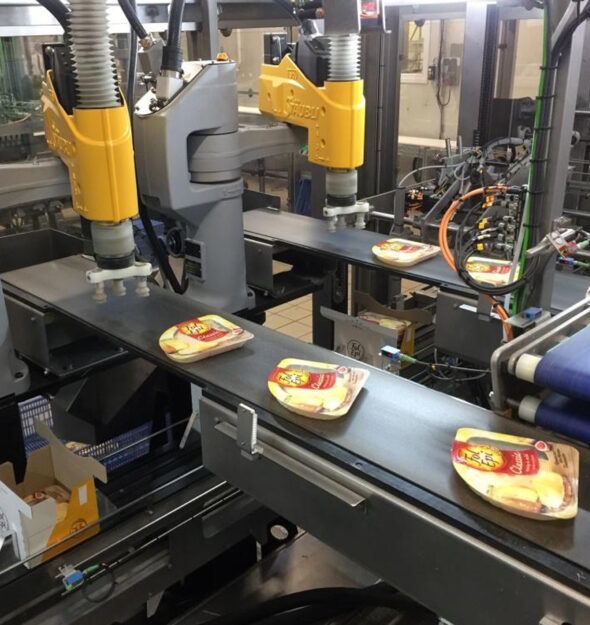
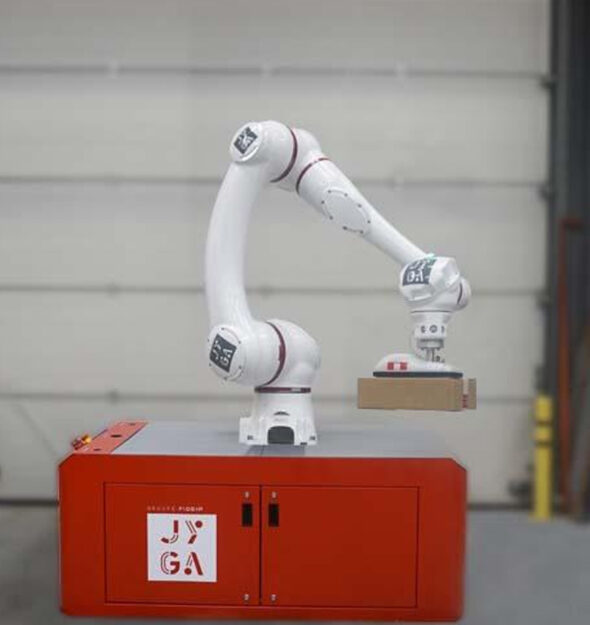
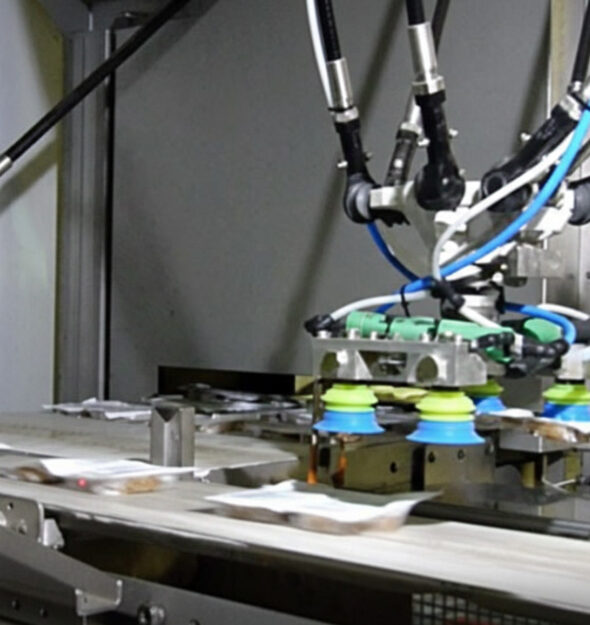
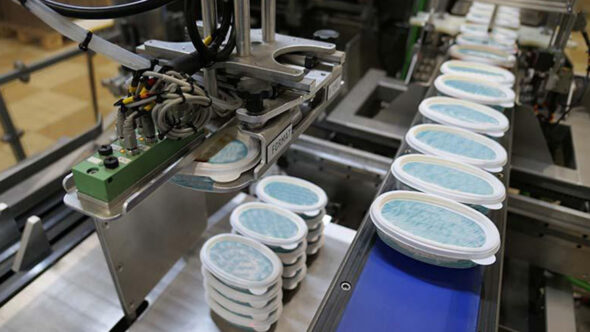
Our equipment accommodates different types of top-load cartons: solid board, micro-flute corrugated board, cartons with windows, glued cartons or mechanically locked cartons. The gripping system is defined according to your products, throughput requirements and handling constraints: suction cups, grippers or custom tooling.
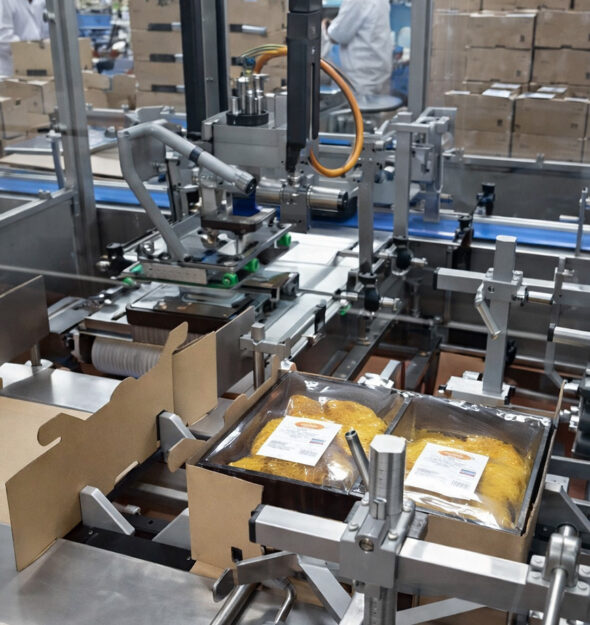
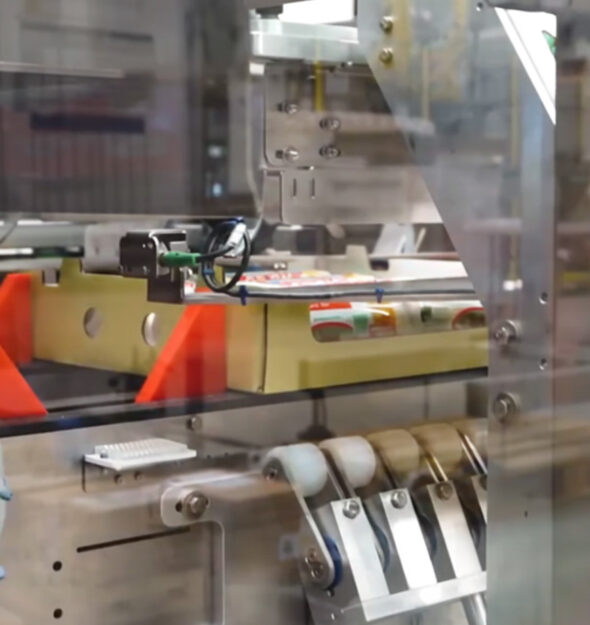
For cartons with windows, our lines can manage product facing to maintain the correct orientation inside the packaging. JYGA can also integrate mixed packing functions to automatically create assortments before case packing.
These lines are designed for manufacturers in the food and beverage, cosmetics, personal care and healthcare sectors looking to automate all or part of their top-load carton packaging process.
What is a top-load carton?
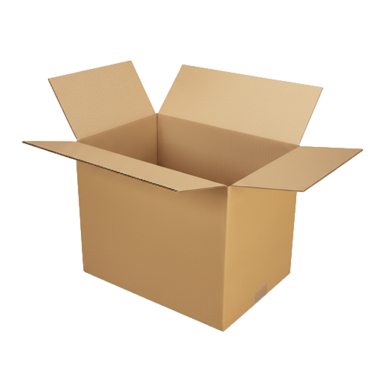
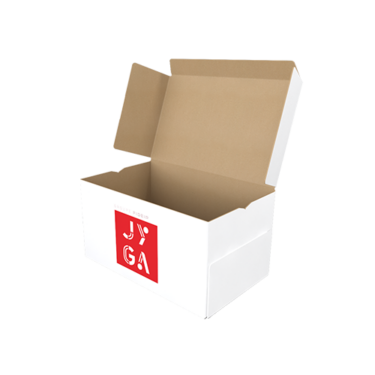
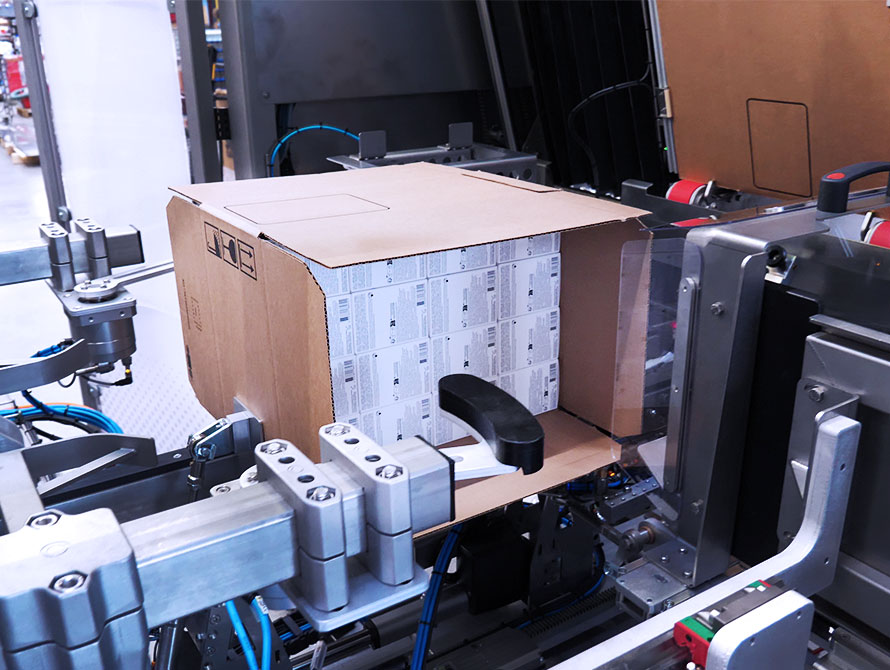
A top-load carton is a cardboard package loaded from above. It is generally formed from a flat cardboard blank, then filled before closing. This type of carton is suitable for products that require careful presentation, precise positioning or delicate handling. At the end of the line, it can be integrated into a complete system with a top-load cartoner, loading cell, inspection, case packing and palletising. This approach makes it possible to automate several packaging stages while maintaining good control over formats, throughput and layout.
What is the difference between a top-load cartoner and a side-load cartoner?
The main difference is the direction in which the product is loaded. A top-load cartoner loads products from above into a vertically formed or open carton. A side-load cartoner inserts products laterally into the carton. The choice depends on the product, its orientation, the type of carton, the required throughput and layout constraints. Top-load cartoning is well suited to projects requiring format flexibility or precise product placement inside the packaging.
What products can be packed in top-load cartons?
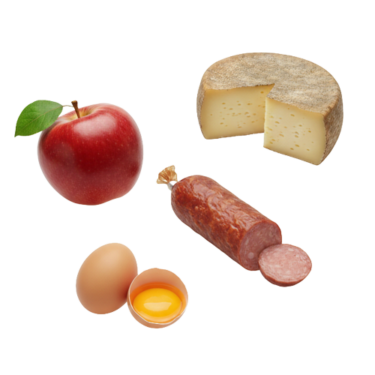
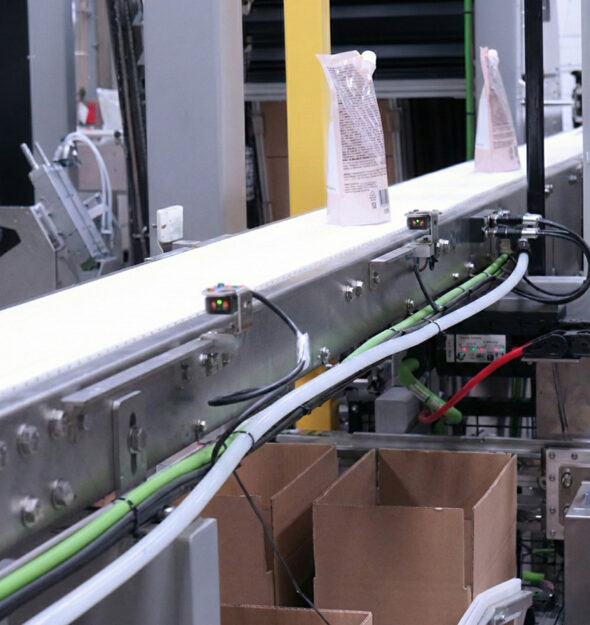
Top-load cartons can accommodate many unpackaged or packaged products: trays, sachets, pouches, stand-up pouches, flow packs, individual products or prepared batches. The choice of technology depends on the product shape, stability, sensitivity during pick-up and required throughput. A preliminary study helps define the loading method, gripping technology, necessary inspection systems and equipment to integrate around the cartoner.
Can a top-load cartoner be integrated into an existing line?
Yes, a top-load cartoner can be integrated into an existing packaging line. The study then considers product flows, conveyor heights, operator access, machine interfaces and available space. The aim is to add the equipment without disrupting the overall production process. Depending on requirements, the line can also include a robotic loading module, an outfeed case packer, vision inspection or a palletiser.
How can multiple carton formats be handled on the same line?
Managing multiple formats depends on the machine design, planned settings and associated tooling. From the pre-project stage, it is important to list the carton dimensions, products concerned, throughput requirements and planned changeovers. This makes it possible to define a line suited to actual shop-floor use. On a top-load cartoner, format changeovers may involve carton forming, product placement, closing and the associated conveying systems.
Why automate the end of the line after a top-load cartoner?
After cartoning, several operations can still require operator involvement: inspection, grouping, case packing, labelling, transfer and palletising. Automating these stages helps streamline the line outfeed, reduce repetitive handling and standardise packaging through to the pallet. The benefits are particularly significant when throughput increases, when there are many formats or when the production area needs to limit manual handling of finished products.